

The most common mistake with metal roofing and cladding in the UK is treating it as one product. Steel, aluminium, zinc and copper behave differently, cost differently and need different fitters. Pick on looks or the quote alone and you can end up with a coastal job rotting from the cut edges in ten years, or a standing seam roof laid by someone who has never folded one.
The Construction Specifier ran a piece on 14 November 2026 about metal’s expanding role in sustainable and resilient design. For us on site, the practical point is that more clients will ask for metal, so you need to know which one suits which job.
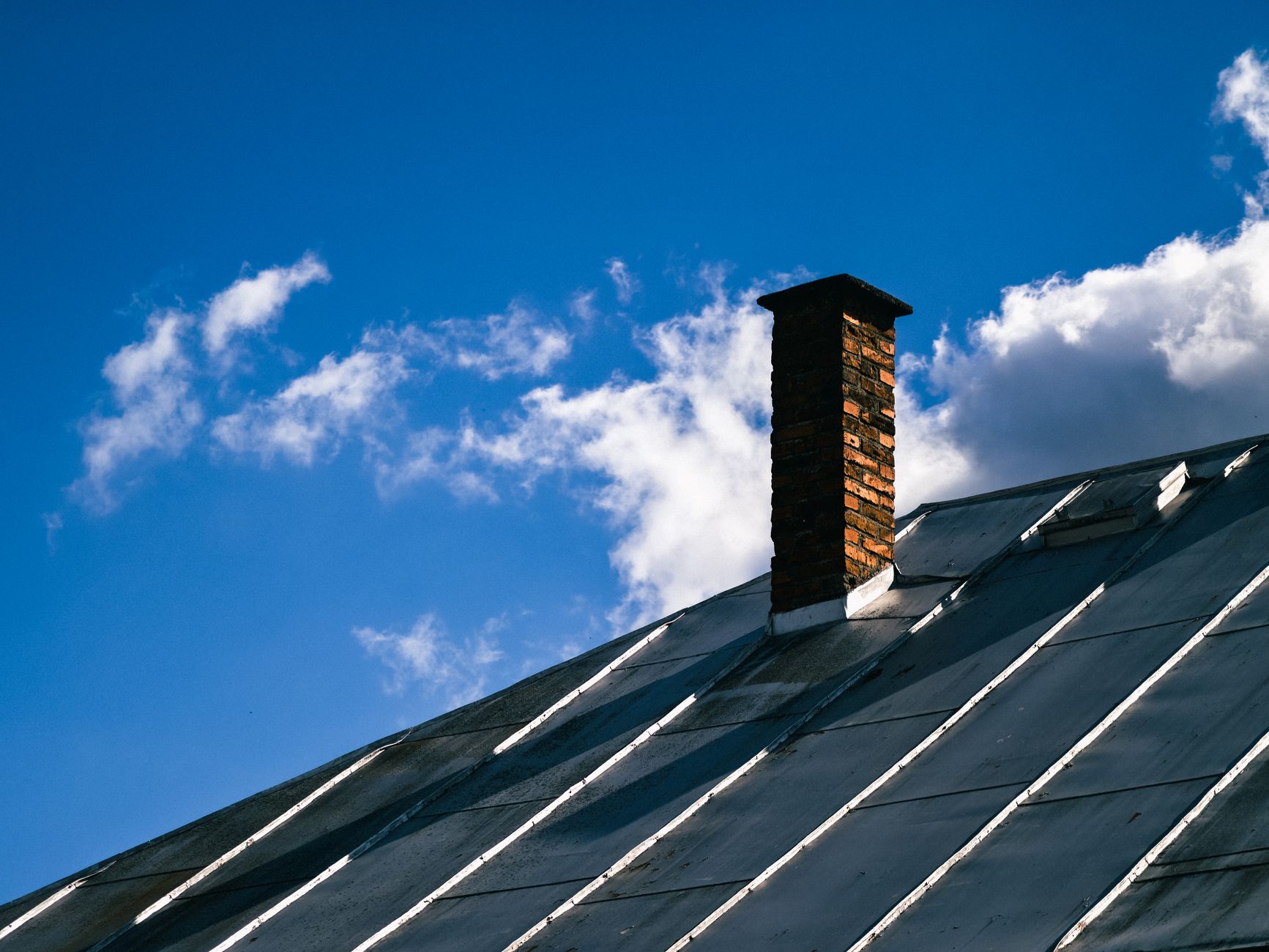
How do steel, aluminium, zinc and copper compare?
Steel is the cheapest and toughest, aluminium is light and copes well near the sea, zinc is the mid-priced architectural choice with a long life, and copper costs the most and lasts the longest. The table gives ballpark guidance only. Prices move with the metal market and region, so get current quotes before you price a job.
| Metal | Typical cost band (supplied and fitted) | Typical lifespan | Coastal performance |
|---|---|---|---|
| Coated steel | Lowest | 25 to 40 years, depends on coating | Fair, weak at cut edges and scratches |
| Aluminium | Low to mid | 40 years or more | Good, especially with a marine-grade coating |
| Zinc | Mid to high | 50 to 80 years | Good, forms its own protective patina |
| Copper | Highest | 100 years or more | Very good |
As a rough rule, coated steel sheet sits at the bottom of the range per square metre, aluminium a step above, zinc well above that, and copper at the top, often several times the price of steel once labour is included. Standing seam systems cost more than profiled sheet in every metal because of the labour.
Steel
Galvanised and polymer-coated steel is what you see on agricultural buildings, industrial units and plenty of modern houses. It is strong and cheap. The weak point is the coating. Cut an edge on site, scratch a panel dragging it off the pallet, and you have given rust a way in. Touch up cut edges properly and keep swarf off the sheets, because loose steel filings rust and stain the surface.
Aluminium
Aluminium does not rust. It is light, so it eases the load on the structure and the labour on the roof. It expands noticeably with heat, so fixings and clips must allow movement. Do not let it touch copper or sit under water running off copper, as that triggers galvanic corrosion.
Zinc
Zinc is the favourite of architects for cladding and standing seam roofs. It weathers to a soft grey patina and heals minor scratches. It needs a ventilated build-up behind it, and it does not like prolonged contact with wet timber that is not properly protected or with acidic run-off from some woods such as untreated oak or cedar.
Copper
Copper turns from bright brown to dark brown and eventually the green verdigris, if the environment allows. It is the longest-lived option and the most expensive. Keep it away from aluminium and galvanised steel in the same water run, and check the drainage sequence so copper never sheds water onto those metals.
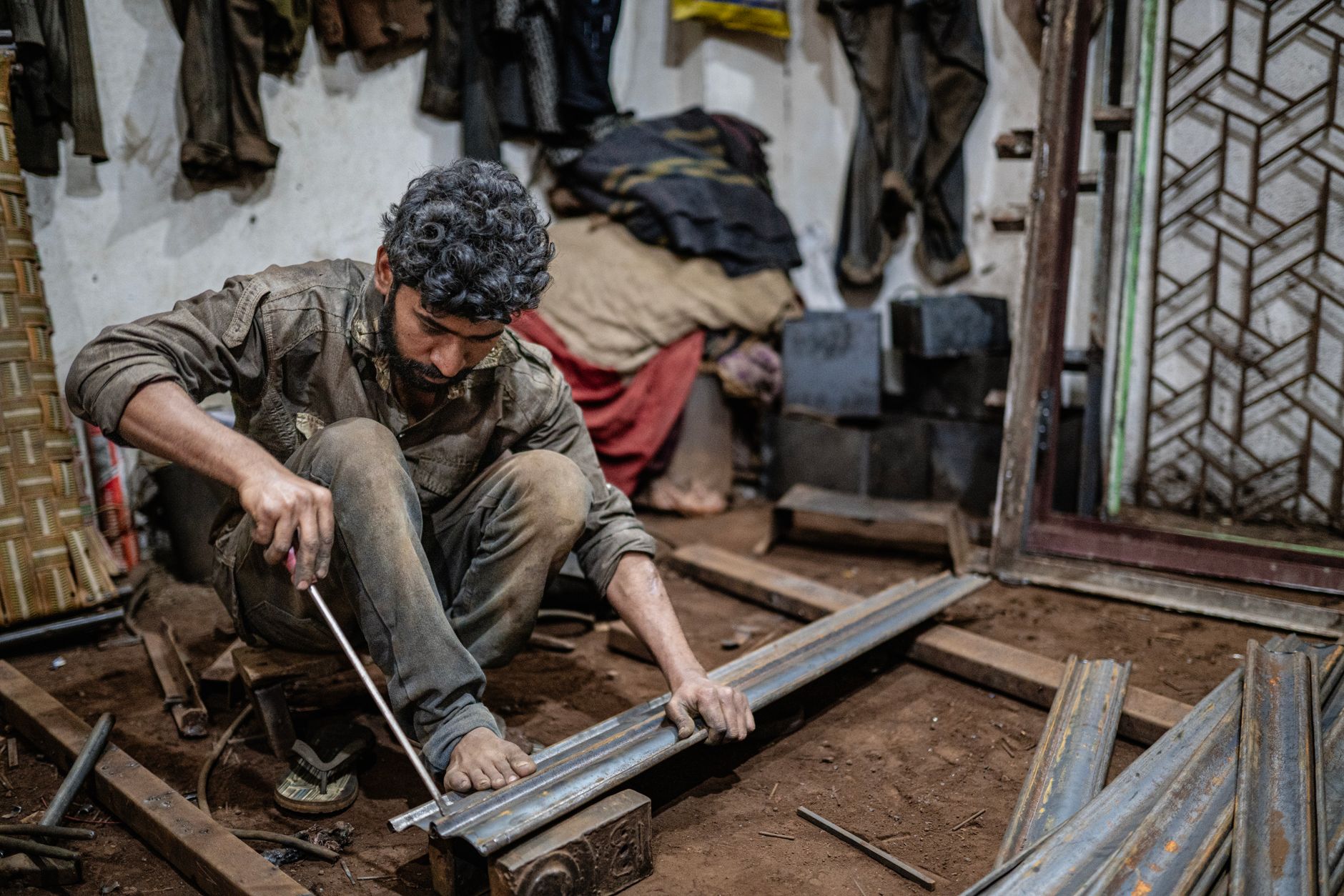
Which metal copes best with coastal corrosion?
Aluminium with a marine-grade coating, zinc and copper cope best on the coast, while standard coated steel is the one to be careful with. Salt-laden air attacks exposed edges, fixings and any damaged coating first. Within a few miles of the sea, specify a coating suited to that exposure category and stainless steel fixings, and ask the manufacturer for their guidance and warranty terms for coastal sites. Warranties are often shortened or void if the wrong grade is used near the sea.
Fixings matter as much as the sheet. A 40-year panel held on cheap zinc-plated screws will weep rust streaks in a few winters. Match the fixing to the metal and the environment, and avoid mixing metals where water can carry between them.
Who can fit metal roofing and cladding?
Profiled steel and aluminium sheet can be fitted by competent roofers and cladders, but zinc and copper standing seam work is specialist. Seaming, folding, soldering and detailing of upstands, valleys and penetrations take training. Many roofers will happily fit slate or tile but will not touch a zinc roof, and you should not either unless you have done it under supervision.
Ask for evidence: previous standing seam jobs, manufacturer approval or training, and insurance that covers the work. If you are a main contractor, sub it to a specialist rather than learn on the client’s money. If you want a refresher on what the common domestic roof coverings look like by comparison, our guide to roof tile types for UK homes covers the usual alternatives.
What to check before you order
Check the build-up first. Metal roofs are usually either a ventilated cold roof or a warm roof, and the insulation position decides where condensation forms. Our piece on cold roof versus warm roof construction explains the logic. Zinc and copper in particular need a ventilated void or a suitable separation layer behind them.
Then look at fire performance and Building Regulations. Cladding on taller or more complex buildings faces tighter rules on combustibility, and the whole wall build-up counts, not just the outer skin. Check the Approved Documents on gov.uk and talk to Building Control early.
Metal roofs are also noisy in rain unless you add acoustic insulation or a solid deck beneath. Clients notice, especially on loft conversions and garden rooms, so say so at quote stage.
If you run your own firm and want customers to find you when they search for specialist metal work, a decent site makes a difference. Web designers who work in niche, regulated sectors, such as 420 Web Design, show the kind of tailored build that suits a specialist trade rather than a generic template.
Choosing the right metal for the job
For a barn, workshop or budget extension, coated steel is hard to beat on price if you look after the edges. For a lightweight roof near the coast, go aluminium. For a high-end house or a client who wants a roof that outlives the mortgage, zinc or copper justify the price, provided a specialist lays them. Get the substrate, ventilation and fixings right, and any of the four will do its job.
Frequently Asked Questions
How long does a zinc roof last in the UK?
A properly installed zinc roof typically lasts 50 to 80 years in UK conditions. It forms a protective patina and tolerates minor scratches. Lifespan depends on ventilation behind the sheet and avoiding contact with damp or acidic materials.
Is aluminium or steel better for coastal cladding?
Aluminium is generally the better choice near the sea because it does not rust and handles salt air well with a marine-grade coating. Coated steel can work but is vulnerable at cut edges and scratches, so it needs careful detailing and suitable fixings.
Can I mix copper and aluminium on the same roof?
Avoid it. Water running off copper onto aluminium or galvanised steel causes galvanic corrosion and eats the lesser metal. If both are needed, keep them separate in the drainage sequence and use isolating layers.

Leave a Reply