Category: Environment

  • Green building materials on real jobs: what actually works?

    Green building materials on real jobs: what actually works?

    If you are on the tools every day, you will have noticed more clients asking about green building materials. Eco this, sustainable that, and plenty of marketing fluff in between. The question is simple: which products actually make a difference, and which ones just make the spec sheet look pretty?

    What do we mean by green building materials?

    Before you can price or recommend anything, it helps to know what people are really asking for. When clients talk about green building materials, they usually mean one or more of the following:

    • Lower impact on the environment during manufacture or transport
    • Healthier to live with in the finished building
    • Better energy performance or durability over the long term
    • Less waste heading to skip and landfill

    On site, that translates into different choices for paint, timber, aggregates, insulation, plasters and concrete mixes. Some are a straightforward swap, others need a bit more skill and planning.

    Low VOC paints: worth the switch?

    Low VOC paints are one of the easiest green swaps you can make. VOCs are the solvents that give off that heavy paint smell and can cause headaches, irritation and long cure times. Modern low VOC and water based paints have come a long way. The good ones now cover well, dry fast and are much nicer to work with in tight, poorly ventilated rooms.

    The key is not to grab the cheapest tin with a green leaf on the label. Look for reputable trade brands with clear VOC ratings and check coverage figures. For most domestic and light commercial jobs, low VOC paints are a genuine improvement for both the client and the lads on site breathing it in all day.

    FSC timber and responsible sourcing

    Timber is often the first thing switched when clients ask for green building materials. FSC or similar certification means the timber has come from responsibly managed forests. On site, it cuts, fixes and finishes just like standard stock, so there is no change to your working methods.

    The main differences are cost and availability. Some sizes and species might need a bit more lead time. For structural work and visible joinery, FSC timber is a solid, practical option that can be backed up with paperwork for architects and building control when they ask.

    Recycled aggregates and hardcore

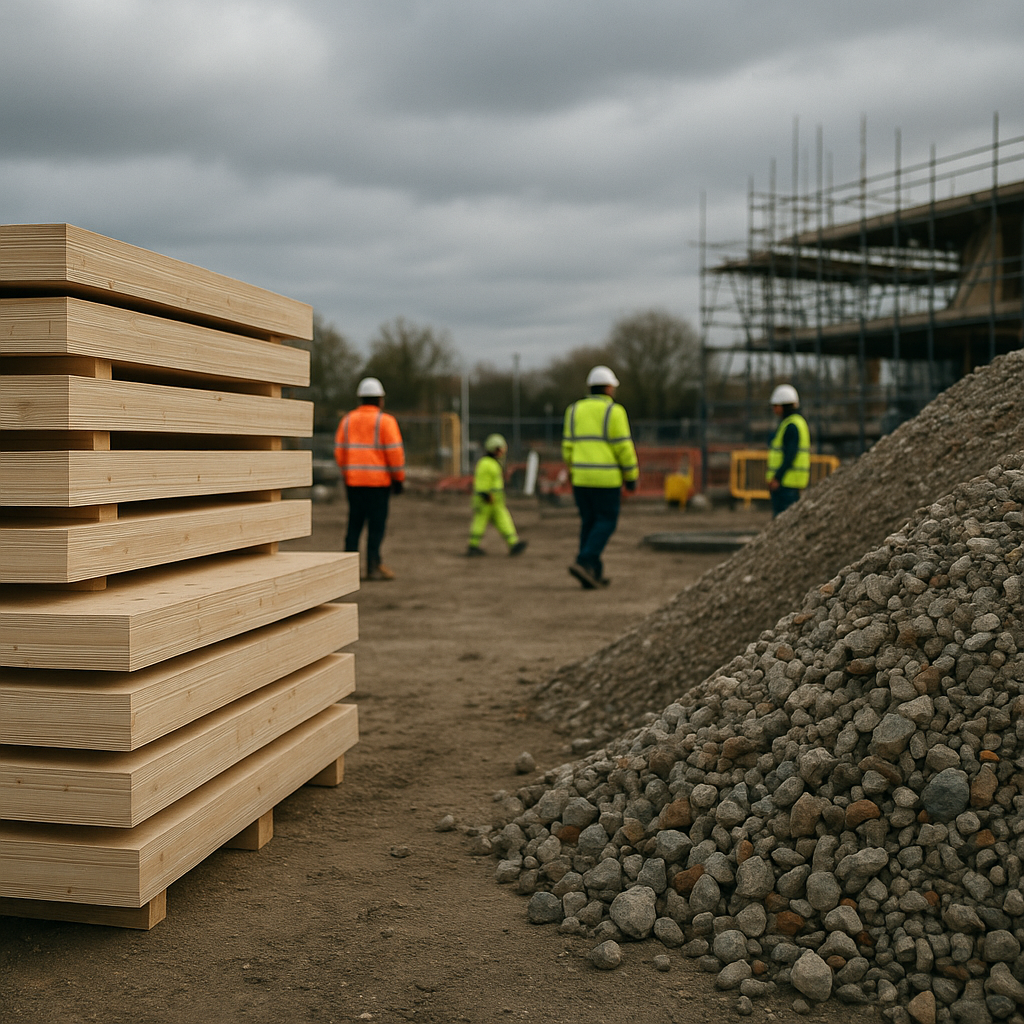
    Recycled aggregates are becoming standard on many groundworks jobs. Crushed concrete and brick, properly graded and certified, performs well for sub bases, backfill and some structural layers. It keeps demolition waste out of landfill and reduces the amount of virgin stone being quarried.

    What matters is quality control. Always check certificates, grading and any restrictions on use. For driveways, patios, footpaths and many slab bases, recycled aggregate is a simple, cost effective green choice. For heavily loaded structural work, follow the engineer’s spec and do not guess.

    Natural insulation: where it makes sense

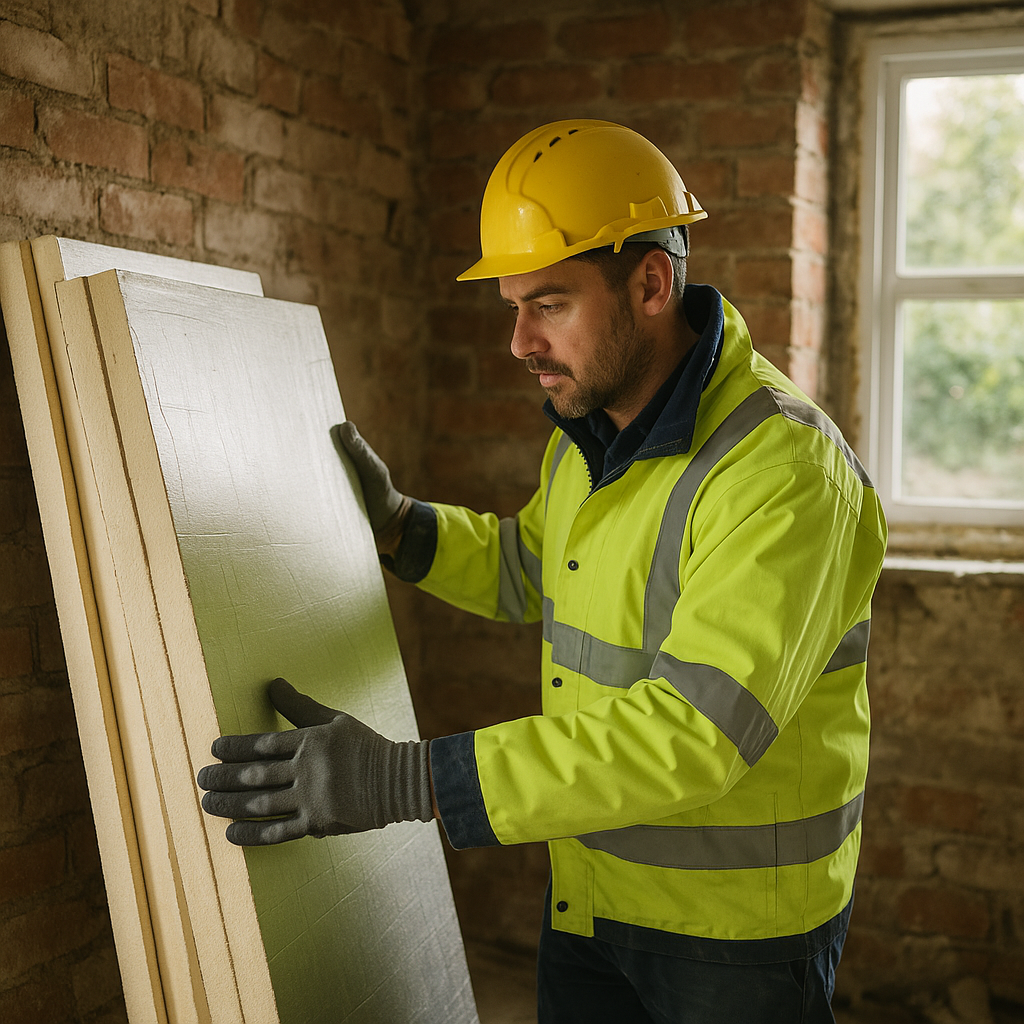
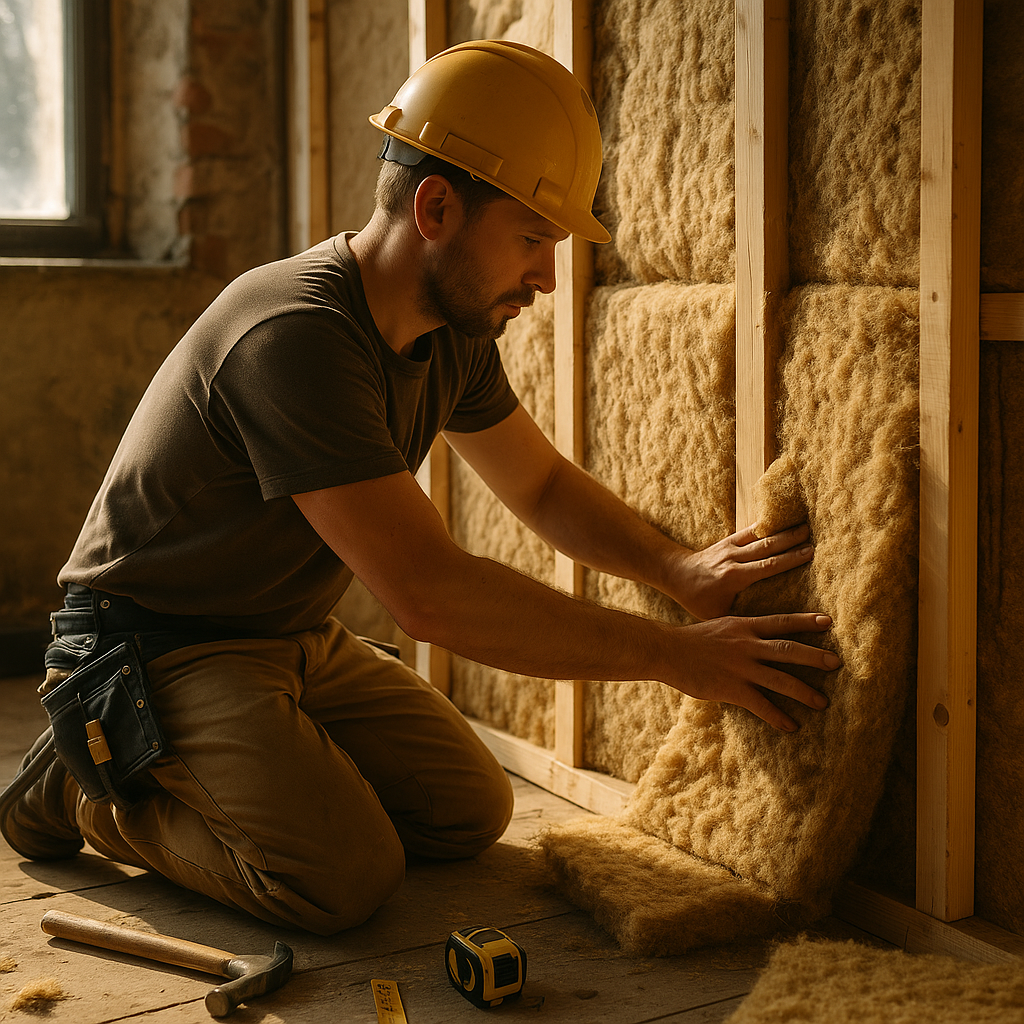
    Natural insulation like sheep’s wool, wood fibre and cellulose is getting more popular, especially on older properties and high end refurbs. The big advantages are breathability, moisture management and comfort. These materials can help keep traditional walls dry and reduce condensation risk.

    They are usually more expensive than mineral wool and can be bulkier for the same U value, so you need to plan your build-ups carefully. They shine in roofs, timber frame walls and internal insulation on solid walls where breathability is important. For basic loft top-ups where cost is king, standard mineral wool still does the job.

    Lime plasters and breathable finishes

    Lime plasters and renders are not new, but they are back in demand as part of the shift towards greener, more breathable systems. Lime allows moisture to move through walls, which is ideal for solid masonry and heritage work. It can help prevent damp problems that modern cement based products sometimes trap in.

    The trade-off is that lime needs more skill and patience. It cures slower, can be more temperamental with temperature and humidity, and usually costs more in labour. When used in the right setting – old stone, brick or cob, or where a breathable build-up is designed – it is a genuinely better choice. On standard blockwork with cement based systems all around it, the benefits are limited.

    Decorator applying low VOC paint as part of using green building materials on an interior job
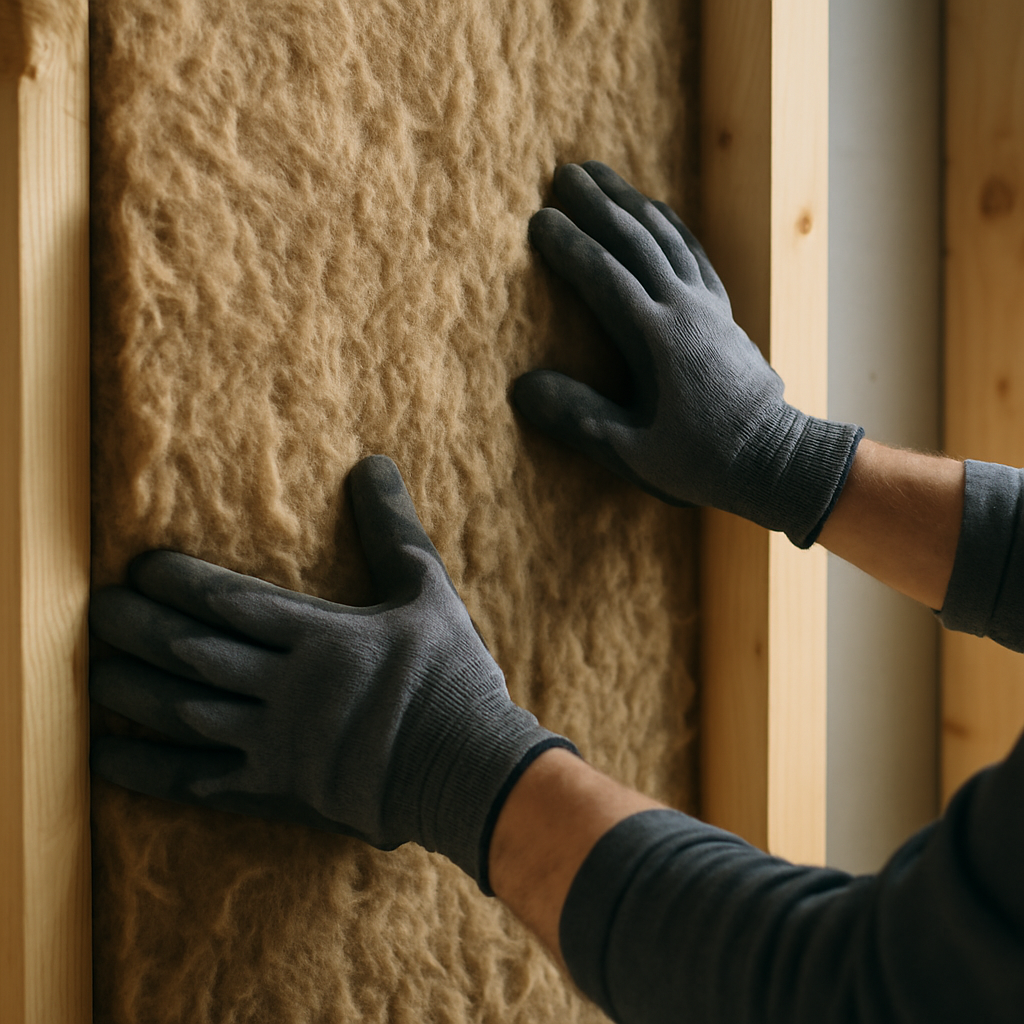
    Builder installing natural insulation as one of several green building materials in a timber stud wall

    Green building materials FAQs

    Are green building materials always more expensive?

    Not always. Some green building materials, like recycled aggregates or certain low VOC paints, can be cost neutral or even cheaper than traditional options. Others, such as natural insulation or lime plasters, usually cost more in both materials and labour. The trick is to match the product to the job: use the higher cost options where their benefits genuinely matter, and stick with proven standard materials where the gains would be minimal.

    Do I need special training to use lime plasters and natural insulation?

    You do not need formal qualifications, but some training or mentoring is strongly recommended before you take on full jobs with lime plasters or natural insulation systems. They handle differently to cement based products and standard fibreglass, with different curing times, fixings and detailing. Many manufacturers and suppliers offer short courses or on site support, which can save a lot of rework and callbacks later.

    How can I explain green building options clearly to clients?

    Keep it simple and practical. Explain what each option does for them: better indoor air, less damp risk, lower energy bills or a smaller environmental footprint. Use clear examples, such as swapping to low VOC paint in bedrooms or choosing FSC timber for visible joinery. Be honest about cost and any changes to programme, and back up your advice with product data sheets or supplier info so clients feel confident in the choices you are recommending.

  • The Future Of Asbestos Management In UK Homes And Workplaces

    The Future Of Asbestos Management In UK Homes And Workplaces

    The future of asbestos management in the UK is becoming a pressing concern for homeowners, landlords and employers alike. As more buildings reach the age where historic construction materials start to fail, questions around safety, legal responsibility and the cost of putting things right are growing louder. At the same time, regulators and campaigners are calling for clearer rules and better protection for the people who live and work in at risk properties.

    Asbestos was widely used for decades, and although it has been banned for many years, it still hides in millions of homes, schools and workplaces. Managing that legacy safely is no longer just about ticking a compliance box. It is about planning ahead, understanding risk and making informed decisions as buildings age and are refurbished.

    Why asbestos is back in the spotlight

    As buildings constructed in the post war boom continue to deteriorate, materials that once seemed stable are starting to break down. Ceiling tiles crack, insulation is disturbed during DIY projects, and office refurbishments expose old pipework and lagging. All of this increases the chance that asbestos containing materials will be damaged and release fibres.

    At the same time, there is growing public awareness of occupational health. Tradespeople, facilities managers and even tenants are asking tougher questions about what is in the walls and ceilings around them. High profile reports about asbestos in schools, hospitals and social housing have only intensified the debate, pushing the issue of long term management into the news and onto political agendas.

    How regulations may evolve

    Current rules already require dutyholders to identify and manage asbestos risks, but many experts believe the future of asbestos management will involve tighter expectations. There is increasing discussion about mandatory re inspection intervals, clearer requirements for digital record keeping and stronger enforcement where dutyholders fail to act.

    Some campaigners are also calling for a long term national removal strategy, arguing that simply managing asbestos in place is not enough as buildings age. While a full removal programme would be complex and expensive, it is likely that guidance will continue to move towards earlier intervention, particularly in higher risk settings such as schools and healthcare buildings.

    Digital tools and smarter asbestos records

    One of the biggest changes on the horizon is the shift from paper based surveys and management plans to digital systems. Cloud platforms now allow survey data, photographs and risk assessments to be stored in one place, with instant access for contractors, managers and auditors.

    This kind of technology makes it easier to keep information up to date, track actions and share clear instructions with anyone who might disturb materials. Over time, digital records could also help create a more accurate national picture of where asbestos remains, guiding policy decisions and investment in remediation.

    Raising standards in surveys and removal

    Survey quality is another area under scrutiny. Poorly conducted inspections can leave dangerous gaps, giving building owners a false sense of security. As expectations rise, there is likely to be more emphasis on accreditation, training and independent auditing of surveyors and removal contractors.

    Specialist companies are already investing in better equipment, detailed reporting and stronger staff training. Responsible dutyholders are starting to look beyond the lowest quote, focusing instead on competence, reputation and clear communication. When it comes to removal and subsequent asbestos waste disposal, that focus on professionalism is only likely to grow.

    What this means for homeowners and landlords

    For private homeowners, the main challenge is often simply knowing where to start. Many properties built before the year 2000 may contain asbestos, but it is not always obvious. The safest approach is to assume that certain materials could be affected and to seek professional advice before drilling, sanding or demolishing anything suspect.

    Landlords face additional responsibilities. They must protect tenants, tradespeople and visitors, which means having suitable surveys in place, sharing information and planning works carefully. As expectations rise, failing to act is increasingly likely to lead not only to health risks but also to legal and financial consequences.

    Practical steps to prepare for the future

    Anyone responsible for a building can take sensible steps now to keep ahead of changing expectations around the future of asbestos management:

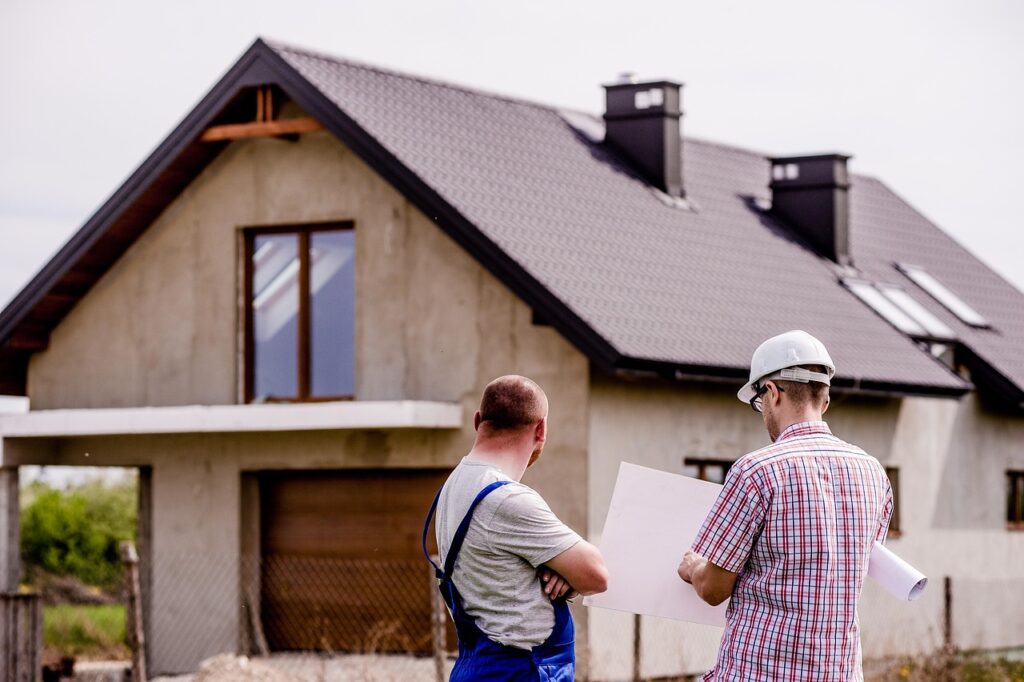
    Landlord and contractor planning refurbishment with a focus on the future of asbestos management.
    Office maintenance team reviewing a digital register to support the future of asbestos management.

    Future of asbestos management FAQs

    Does all older property contain asbestos?

    Not every older property contains asbestos, but many buildings constructed or refurbished before the year 2000 are likely to have some asbestos containing materials. Common locations include textured coatings, ceiling tiles, pipe lagging, insulation boards and certain floor tiles. The only reliable way to know is to have a competent surveyor inspect and test suspect materials. Visual checks alone are not enough to confirm whether asbestos is present.

    Is it always necessary to remove asbestos immediately?

    No, asbestos does not always need to be removed straight away. If asbestos containing materials are in good condition and unlikely to be disturbed, they can often be managed safely in place through regular monitoring, labelling and careful maintenance procedures. Removal is usually recommended where materials are damaged, friable, or likely to be disturbed during refurbishment or demolition, or where they are in high traffic areas where accidental damage is more likely.

    How can I prepare for the future of asbestos management in my building?

    To prepare for the future of asbestos management, start by ensuring you have an up to date survey and clear records of any known asbestos containing materials. Store this information digitally so it is easy to update and share with contractors. Build asbestos considerations into your maintenance and refurbishment planning, and choose competent, accredited professionals for any survey or removal work. Training staff or key occupants to recognise potential risks and follow safe procedures will also help keep people protected as expectations and guidance continue to evolve.

  • Is Your Home Ready For Heat Pumps? How To Prepare An Older Property

    Is Your Home Ready For Heat Pumps? How To Prepare An Older Property

    With energy prices unpredictable and climate targets getting stricter, many households are asking whether now is the time to switch to a low carbon heating system. For anyone living in a Victorian terrace, a 1930s semi or a post-war bungalow, preparing an older home for heat pump installation is one of the most important steps you can take to cut bills and future-proof your property.

    Why older homes need extra thought before a heat pump

    Heat pumps work best when a house holds on to warmth. They deliver lower flow temperatures than a traditional gas boiler, but do so very efficiently. In a modern, well insulated property that is perfect. In a draughty house with thin insulation and single glazing, the system can struggle, running harder and for longer to keep you comfortable.

    That does not mean older homes are unsuitable. It simply means you need to look carefully at the building fabric first. Tackling leaks, cold spots and poor insulation often delivers bigger comfort gains than any heating upgrade on its own.

    Start with a whole-house heat loss assessment

    The first practical step in preparing an older home for heat pump installation is to understand how much heat your property actually loses. A professional heat loss calculation will look at:

    • Wall construction and whether there is any cavity or internal insulation
    • Roof and ceiling insulation levels
    • Floor type and possible draughts from below
    • Window and door performance, including air leakage
    • Existing radiator sizes and pipework

    This assessment guides both the size of heat pump you need and the upgrades that will give the best return. Oversizing the unit to compensate for a leaky building is expensive and inefficient, so improving the envelope is usually the smarter route.

    Insulation and airtightness: the real game changers

    Before spending money on new technology, it is worth addressing simple fabric measures. Adding cavity or internal wall insulation where suitable, improving roof insulation, sealing obvious draughts and upgrading old windows can dramatically cut heat demand. These changes make rooms more comfortable, reduce condensation and help your future heat pump work at its most efficient settings.

    In many properties, the roof space is the easiest starting point. A well insulated attic reduces heat escaping through the top of the house, which is crucial for low temperature heating systems. If you are planning a full retrofit, a specialist contractor can advise on options such as internal wall insulation, underfloor insulation and improved airtightness around floors and skirting boards.

    Adapting radiators and emitters for lower temperatures

    Because heat pumps run at lower flow temperatures, they usually need larger heat emitters than a boiler system. Part of preparing an older home for heat pump installation is reviewing your existing radiators and deciding where changes are needed.

    In some rooms, simply swapping to a larger or more efficient radiator is enough. In others, especially open plan spaces or north facing rooms, you may consider fan-assisted radiators or even underfloor heating as part of a renovation. The goal is to deliver the same comfort at a lower water temperature, which boosts the efficiency of the heat pump and keeps running costs down.

    Choosing the right heat pump and installer

    Once the building fabric and emitters are understood, you can look at the type of system that suits your home. Options include air source units, ground source systems for properties with outside space, or hybrid arrangements that retain a boiler for extreme cold snaps. A good installer will size the system based on the improved heat loss figures, not on rough rules of thumb.

    Ask potential installers about their experience with older properties, how they calculate heat loss, and how they plan to integrate hot water storage. It is also worth checking what grants or local schemes are available to help fund both the fabric upgrades and the new system.

    Installer improving roof insulation as part of preparing an older home for heat pump installation.
    Modern air source unit beside a retrofitted property after preparing an older home for heat pump installation.

    Preparing an older home for heat pump installation FAQs

    Is my house too old for a heat pump?

    Very few homes are genuinely too old for a heat pump, but some need more preparation than others. Solid wall properties, listed buildings and homes with single glazing can all work with low carbon heating as long as heat loss is reduced first. That usually means improving roof insulation, tackling draughts and upgrading windows where permitted. A detailed heat loss survey by an experienced installer is the best way to understand what your specific property needs.

    Do I need to replace all my radiators for a heat pump?

    Not always. Some radiators will already be large enough to deliver the required heat at lower temperatures, especially in smaller or well insulated rooms. However, in bigger or colder spaces you may need to fit larger radiators or consider alternatives like underfloor heating. A proper room-by-room calculation will show which emitters can stay and which should be upgraded.

    What grants are available to help with low carbon heating?

    Support varies by nation and local authority, but many areas offer schemes to help with low carbon heating and insulation. These can include boiler upgrade grants, funding for wall and roof improvements, and targeted support for lower income households. It is worth checking government websites and speaking to accredited installers, who are often familiar with current funding and eligibility criteria.

    loft insulation

  • Why Every Building Owner Needs a Commercial EPC in London

    Why Every Building Owner Needs a Commercial EPC in London

    In the fast-evolving landscape of property legislation, sustainability targets, and market expectations, the role of an Energy Performance Certificate (EPC) is more critical than ever. If you own or manage a commercial property in London, understanding and complying with commercial EPC requirements is no longer optional – it’s a legal necessity and a strategic advantage.

    Commercial EPC

    Let’s explore what a commercial EPC is, why it matters, and how it could impact your operations, finances, and environmental responsibilities.

    What is a Commercial EPC?

    A Commercial Energy Performance Certificate (EPC) is a legally required document that assesses the energy efficiency of a non-domestic building. Issued by an accredited energy assessor, the certificate gives a building a rating from A (most efficient) to G (least efficient), along with recommendations for improvement.

    It must be provided when a commercial property is built, sold, or rented. In London, where real estate is both highly competitive and strictly regulated, obtaining a valid commercial EPC is fundamental for compliance and credibility.

    1. Legal Compliance and Avoiding Fines

    The most immediate reason to obtain a commercial EPC in London is to stay compliant with UK law. Under The Energy Performance of Buildings (England and Wales) Regulations 2012, all commercial properties over 50m² must have a valid EPC when sold or let.

    Commercial EPC

    Since 1st April 2023, it is now unlawful to continue letting a commercial property with an EPC rating below E, due to changes in the Minimum Energy Efficiency Standards (MEES). The penalty for non-compliance can reach up to £150,000 – serious money for most landlords or businesses.

    In a city like London, where enforcement is particularly active, ensuring that your commercial EPC is up to date isn’t just good practice – it’s essential risk management.

    2. Supporting Environmental Goals and Corporate Responsibility

    London has ambitious environmental targets, with many boroughs aiming for net-zero emissions by 2030 or 2040. A commercial EPC in London can be a valuable benchmark for your building’s energy usage and carbon output.

    Commercial EPC

    Companies committed to ESG (Environmental, Social and Governance) principles often rely on EPC ratings as part of their reporting. For building managers, this is a powerful tool to align with tenant expectations and corporate social responsibility goals.

    Improving your rating can also demonstrate proactivity in tackling climate change – something that stakeholders and investors increasingly value.

    3. Enhancing Property Value and Marketability

    A high EPC rating can significantly increase the appeal of your property. Businesses looking to lease or buy commercial spaces are becoming more energy-conscious – both for ethical reasons and to reduce operating costs.

    In London’s competitive commercial property market, an efficient rating can be a deal-maker. Conversely, a poor rating can make it harder to secure tenants or buyers, and may require costly energy upgrades before the building can even be marketed.

    Commercial EPC

    An up-to-date commercial EPC in London provides confidence to agents, landlords, and prospective tenants alike.

    4. Guiding Cost-Saving Energy Improvements

    Beyond compliance, a commercial EPC provides practical insights. Each certificate includes tailored recommendations to improve the building’s energy efficiency – from upgrading lighting to improving insulation or HVAC systems.

    For property managers, this guidance can help prioritise works that offer the most immediate ROI in terms of energy savings. Over time, implementing these improvements can reduce utility bills, maintenance costs, and environmental impact.

    In a city with notoriously high energy costs like London, this can lead to substantial financial gains.

    5. Staying Ahead of Future Regulations

    The regulatory environment around energy efficiency is tightening. By 2030, the UK government plans to raise the minimum EPC rating requirement for commercial lettings to at least a ‘C’ rating – and potentially higher.

    Acting now to improve your commercial EPC in London puts you ahead of the curve. It means you won’t be scrambling to comply with new rules, facing retrofit pressures, or losing valuable tenancy periods due to delays.

    Being proactive now could save you tens of thousands of pounds and secure your property’s position in a greener, more regulated marketplace.

    Commercial EPC

    Whether you’re managing a portfolio of office blocks or own a single retail unit, the importance of a valid and favourable commercial EPC in London cannot be overstated. It’s a legal requirement, a sustainability benchmark, a cost-saving guide, and a competitive advantage all in one.

    With potential fines increasing, future legislation on the horizon, and market demand for efficient buildings rising, now is the time to review your EPC status and take action.

    Your building’s energy future – and its long-term value – may depend on it.

  • The Vital Role of Recycling in the UK

    The Vital Role of Recycling in the UK

    In an era of increasing environmental awareness and finite resources, recycling has moved from a fringe activity to a cornerstone of sustainable living in the UK. It represents a fundamental shift from a linear “take-make-dispose” model to a more circular economy, where materials are kept in use for as long as possible, reducing waste, conserving natural resources, and minimising our environmental footprint. From household waste to industrial byproducts, a robust recycling system is crucial for a greener and more resilient future for the United Kingdom.  

    Recycling

    The Multifaceted Benefits of Recycling

    The advantages of widespread recycling are numerous and far-reaching. Firstly, it significantly reduces the amount of waste sent to landfill. Landfills not only take up valuable land but also contribute to environmental pollution through the release of methane, a potent greenhouse gas, and the leaching of harmful substances into the soil and groundwater. By diverting waste for recycling, we alleviate pressure on these already strained systems and mitigate their negative environmental impacts.

    Secondly, recycling conserves precious natural resources. Manufacturing new products from virgin materials requires significant energy expenditure and the extraction of raw materials like timber, metals, and fossil fuels. Recycling reduces this demand, saving energy, lowering carbon emissions associated with extraction and processing, and preserving finite resources for future generations. For instance, recycling aluminium requires approximately 95% less energy than producing it from raw bauxite ore.

    Economically, a thriving recycling industry creates jobs in collection, sorting, processing, and manufacturing. It also fosters innovation in material science and the development of new products made from recycled content. Furthermore, businesses that embrace recycled materials can often benefit from reduced raw material costs and enhanced brand image among environmentally conscious consumers.

    Household Recycling: A Collective Responsibility

    The success of the UK’s efforts relies heavily on the active participation of households. Clear and consistent kerbside collection schemes, coupled with public awareness campaigns, are essential for maximising the quantity and quality of recyclable materials. This includes separating waste into designated bins for paper, card, plastics, glass, and metals. While progress has been made, contamination of recycling streams remains a challenge, highlighting the ongoing need for clear guidance and public engagement to ensure that recyclable materials are processed effectively.

    Local authorities across the UK play a vital role in managing household waste and implementing recycle programs. They are responsible for collection infrastructure, sorting facilities, and often work in partnership with private recycling companies. Harmonising recycling regulations and infrastructure across different regions within the UK could further enhance efficiency and simplify the process for residents.

    Industrial and Commercial Recycling: Closing the Loop

    Beyond household waste, significant opportunities exist for recycling within industrial and commercial sectors. Businesses can implement waste reduction strategies, segregate recyclable materials generated during production processes, and explore closed-loop systems where waste from one process becomes a valuable input for another. Initiatives like producer responsibility schemes, where manufacturers are accountable for the end-of-life management of their products, can further incentivise sustainable design and increased recyclability.  

    Construction and demolition waste, often a significant contributor to landfill, also presents considerable recycling potential. Materials like concrete, bricks, metals, and timber can be recovered, processed, and reused in new construction projects, reducing the demand for virgin aggregates and minimising waste.

    The Role of Car Breakers in Recycling Vehicle Parts

    A crucial, and often overlooked, sector within the UK’s recycling landscape is the role of car breakers, also known as vehicle dismantlers or scrap yards. When a vehicle reaches the end of its usable life, car breakers play a vital part in its responsible disposal and the recovery of valuable components and materials.

    Modern car breaking operations go far beyond simply crushing old vehicles. They involve a meticulous process of depollution, where hazardous fluids like oil, antifreeze, and brake fluid are safely removed and disposed of or recycled. Following depollution, reusable parts such as engines, gearboxes, lights, body panels, and interior components are carefully inspected, tested, and catalogued for resale. This not only provides affordable alternatives for vehicle repairs but also significantly reduces the need to manufacture new parts, saving energy and resources.

    The remaining vehicle shell is then typically shredded, and the various materials, primarily metals like steel and aluminium, are separated and sent for further processing and recycling. Car breakers are therefore instrumental in recovering a significant percentage of the materials used in vehicle manufacturing, contributing substantially to the overall recycling rates for metals in the UK. They provide a vital link in the circular economy for the automotive industry, diverting a complex and potentially polluting waste stream from landfill and recovering valuable resources.

    The Future of Recycling in the UK

    The UK is continually striving to improve its recycle rates and move towards a more truly circular economy. This involves ongoing investment in infrastructure, technological advancements in sorting and processing, and the development of innovative solutions for recycling challenging materials. Public education and clear policy frameworks will remain crucial in fostering a culture of responsible consumption and waste management. By embracing the principles of reduce, reuse, and recycle, and by recognising the vital contributions of sectors like car breakers, the UK can continue to build a more sustainable and resource-efficient future for generations to come.

  • Second Cuts, First-Rate Savings: Why Used Woodworking Machines Are a Smart Choice

    Second Cuts, First-Rate Savings: Why Used Woodworking Machines Are a Smart Choice

    For woodworking enthusiasts and professionals alike, the allure of shiny, brand-new machinery is undeniable. However, a growing number are discovering the significant advantages of opting for used woodworking machines. Beyond the initial sticker shock of new machines, lies a world of cost-effective, environmentally conscious benefits that make buying used a truly smart decision.

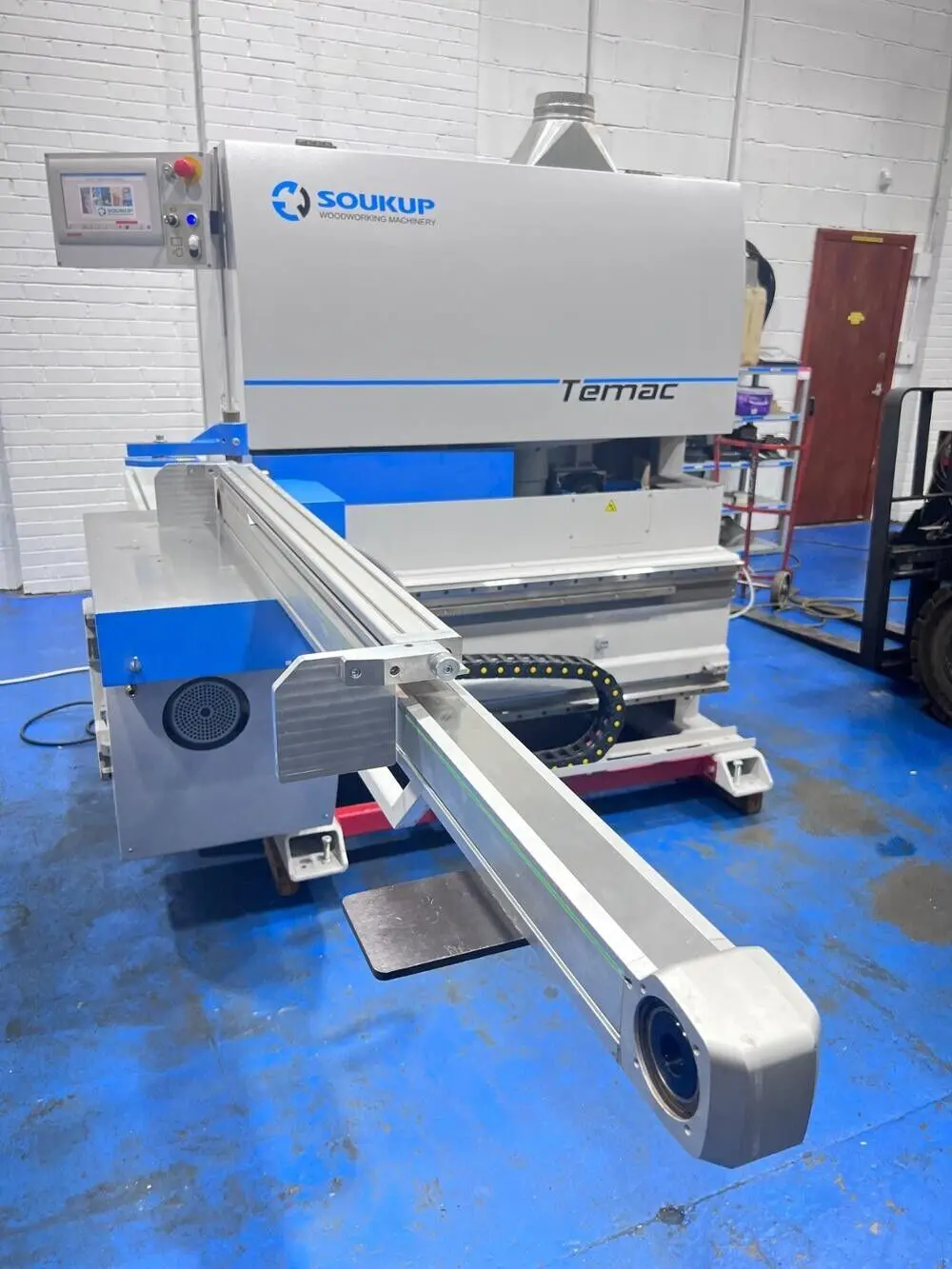
    Used Woodworking Machines

    The Power of the Penny (or Pound) Saved

    The most obvious advantage of purchasing used woodworking machines is the significant cost savings. Depreciation hits new machines hard, meaning you can often acquire a high-quality, professional-grade piece of equipment for a fraction of its original price. This allows smaller workshops, hobbyists, or those just starting out to access tools that might otherwise be financially out of reach.

    Consider a professional planer or table saw. A new model from a reputable manufacturer can easily run into thousands. A well-maintained, used equivalent, often just a few years old, can be found for a significantly lower price, without sacrificing performance. This frees up valuable capital for other essential investments, like raw materials, consumables, or even expanding your workshop space.

    A Sustainable Approach to Craft:

    In an age of increasing environmental awareness, choosing used equipment aligns perfectly with sustainable practices. Manufacturing new machinery requires significant energy and resources, contributing to carbon emissions and waste. By opting for used woodworking machinery, you’re extending the lifespan of existing equipment, reducing the demand for new production, and minimising your environmental footprint.  

    This principle of reuse is a cornerstone of the circular economy, where products are kept in circulation for as long as possible. Choosing used woodworking machines is a tangible way to contribute to a more sustainable future for the craft.  

    Finding Quality in Used Woodworking Equipment

    Naturally, concerns about the condition and reliability of used equipment are valid. This is where partnering with reputable suppliers becomes crucial. Companies like IWM (iwmachines.co.uk) specialise in providing high-quality, used woodworking machinery, ensuring that each piece has been thoroughly inspected and, where necessary, refurbished.  

    When buying from a reputable dealer, you can expect:

    • Thorough Inspection and Testing: Experienced technicians assess the condition of each machine, identifying any potential issues and ensuring it meets performance standards.
    • Refurbishment and Repairs: Necessary repairs and replacements are carried out using quality parts, restoring the machine to optimal working order.
    • Warranty and Support: Many reputable suppliers offer warranties on used equipment, providing peace of mind and demonstrating their confidence in the quality of their machines.
    • Expert Advice: Professionals can guide you in choosing the right machine for your needs and budget, offering valuable advice and support.

    Investing in Longevity

    Many older woodworking machines were built to last, often featuring robust construction and simpler designs. This can translate to greater longevity and easier maintenance compared to some modern, more complex machines. With proper care, a well-maintained used machine can provide years of reliable service, making it a sound long-term investment.

    In Conclusion

    Choosing used woodworking machinery offers a compelling combination of cost savings, environmental responsibility, and access to quality equipment. By partnering with reputable suppliers like IWM (iwmachines.co.uk), you can confidently navigate the used market, securing reliable machines that empower you to pursue your woodworking passions while making a positive impact on your wallet and the planet.

  • Fabric First: The Foundation of a Truly Energy-Efficient Home

    Fabric First: The Foundation of a Truly Energy-Efficient Home

    The UK is striving towards a Net Zero future, and enhancing the energy efficiency of our homes is a critical component of this vision. As homeowners, we’re constantly being presented with information about how to improve energy performance, save energy etc but it can often feel overwhelming to know where to start. We champion the Fabric First approach, as advocated by the Mineral Wool Insulation Manufacturers’ Association (MIMA), as the most effective way to achieve a truly energy-efficient home.

    Fabric First

    Understanding the “Fabric First” Philosophy

    “Fabric First” prioritises enhancing the building envelope (the walls, roof, floor, and windows) before considering other upgrades like heating systems. This involves ensuring your home is adequately insulated and airtight, preventing heat loss and minimising energy waste.  

    The Many Benefits of Choosing “Fabric First”

    1. Significant Reduction in Energy Bills: By minimising heat loss, you’ll significantly decrease the energy required to maintain a warm and comfortable home, resulting in lower energy bills.  
    2. Enhanced Comfort: Proper insulation and air sealing eliminate drafts and cold spots, creating a more consistent and comfortable living environment.  
    3. Improved Health: A well-insulated home reduces condensation and dampness, which can contribute to mold growth and respiratory problems.  
    4. Optimised Heat Pump Performance: If you’re considering a heat pump, a “Fabric First” approach is essential. A well-insulated home reduces the heating load, allowing a smaller, more efficient heat pump to effectively heat your space. This can lead to lower upfront costs and reduced energy consumption.  
    5. Reduced Carbon Footprint: By using less energy, you’ll be reducing your home’s carbon footprint and contributing to a cleaner environment.  

    Why “Fabric First” is Crucial in the UK’s Net Zero Journey

    The UK has made progress in raising the energy performance of homes, but substantial upgrades are still needed to achieve Net Zero. MIMA’s “Fabric First” approach addresses systemic issues like the lack of routine checks for actual home energy performance, policies assuming perfect performance, and fragmented frameworks for insulation and heat pump delivery.  

    By prioritising fabric improvements, we can ensure that energy efficiency upgrades deliver the promised benefits, reduce pressure on the electricity grid, and support a reliable transition to clean heat.  

    How Westville Insulation Can Guide Your Energy-Efficient Home Transformation

    Westville Insulation are experts in helping homeowners implement the “Fabric First” approach. They offer a range of insulation solutions tailored to your home’s specific needs, ensuring optimal energy performance and comfort. Their team of experienced installers will work with you to identify areas of heat loss and recommend the most effective insulation strategies.

    Take the first step towards a more energy-efficient and comfortable home. Contact Westville Insulation today for a free consultation and let us help you embrace the “Fabric First” approach.