
Pick the wrong pipe and you will know about it. Either building control flags it on inspection, the client rings you six months later with a blocked drain, or the groundworker who comes after you has to rip it all back up because the jointing method was incompatible with what already existed. Drainage pipe materials on UK construction sites get chosen badly more often than anyone in the trade likes to admit, usually because the decision gets made on price alone or on habit. This guide runs through the four materials you will actually encounter on domestic and small commercial work, what each one is genuinely good for, and what Part H of the Building Regulations requires of you.
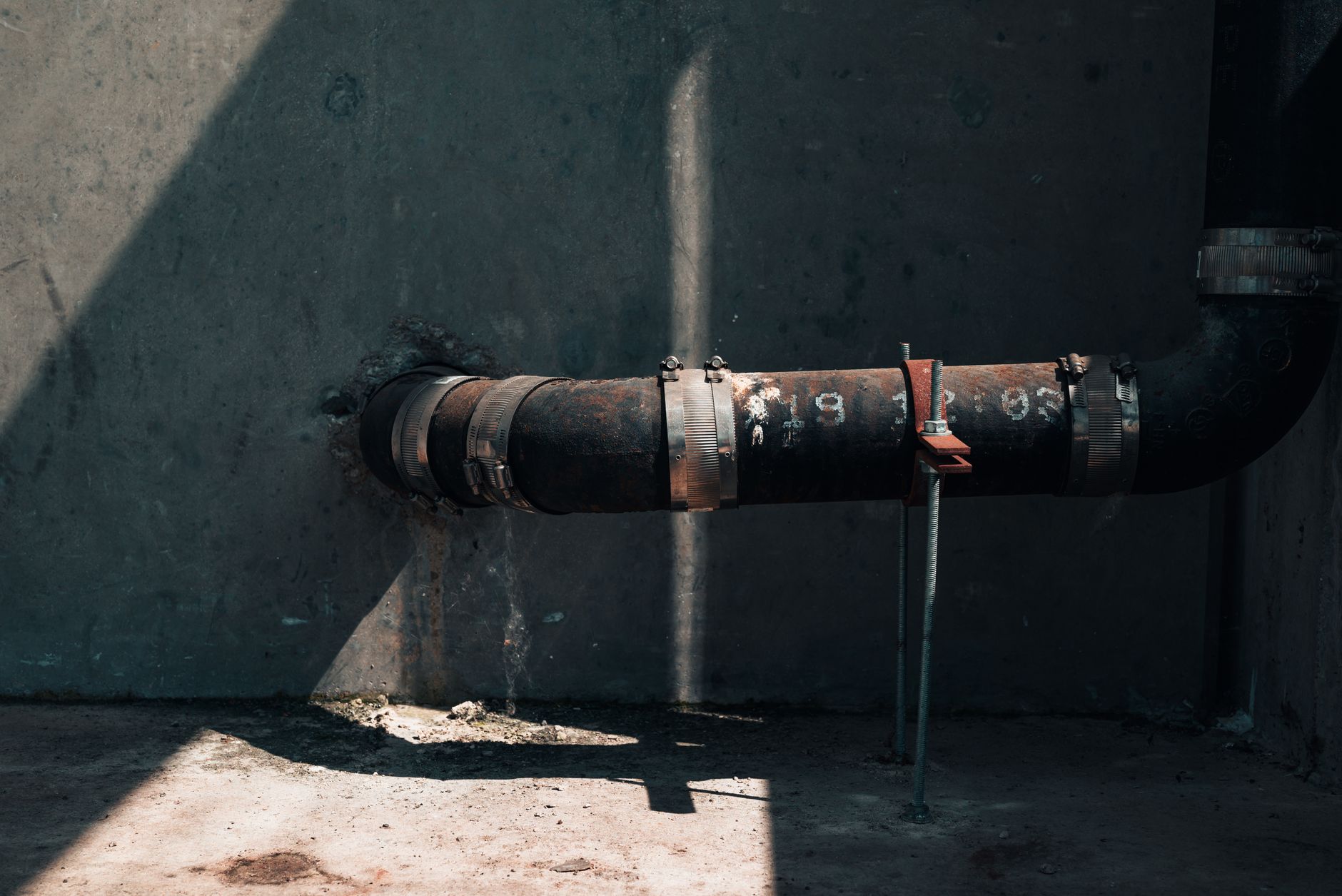
What Part H of the Building Regulations actually covers
Part H deals with drainage and waste disposal, split across foul water drainage, wastewater treatment, rainwater drainage and building over sewers. The Approved Document H sets out the minimum pipe sizes, gradients, inspection chamber spacing and material requirements you need to satisfy. Building control inspectors will want to see your drain runs before you backfill, and they commonly flag: pipes laid without proper bedding, gradients that are too shallow or too steep, inspection chambers at the wrong intervals, and jointing that does not suit the ground conditions. Get those four things right and you will generally pass first time.
Gradients for foul drains are worth spelling out. For a 100mm pipe the minimum gradient is 1:40 and the maximum is 1:80 if you want self-cleansing flow. Surface water pipes at 150mm can run at 1:150. These are not suggestions; they are the numbers a building control inspector will be checking against.
Clay drainage pipe: the traditional choice that still earns its place
Vitrified clay has been going into the ground on British construction sites for well over a century, and there are good reasons it has not disappeared. It is chemically inert, resistant to root intrusion, and handles aggressive effluent better than most alternatives. Clay is particularly strong where ground conditions involve sulphate-bearing soils or where you are running close to mature trees whose roots are actively seeking moisture. I have seen PVC-u runs buckled and infiltrated by tree roots within five years in a clay-heavy garden; the clay sections alongside them were completely unaffected.
The main jointing method is the push-fit flexible rubber-ring coupling, which replaced the old rigid mortar and stoneware joints. Hepworth and Naylor Drainage both supply compatible systems. Clay is heavier and less forgiving to cut on site, which slows installation, and the material cost per metre is higher than PVC-u. For below-ground foul drainage where you have aggressive ground, mature trees, or a long design life requirement from a developer or housing association, clay is the right specification. Expect to pay roughly £8 to £15 per metre for standard 100mm pipes from a builders merchant, depending on supplier.
PVC-u: the workhorse of below-ground drainage
For most domestic below-ground foul and surface water work, PVC-u is what goes in. It is light, quick to cut and join, widely available, and significantly cheaper than clay or cast iron. The push-fit ring-seal joint system makes it fast to install, and the material is compatible with most standard fittings from major suppliers including Wavin and Polypipe. For drainage pipe materials UK construction crews use day-to-day, this is the default.
Where PVC-u falls down is at high temperatures (above 60°C sustained) and in ground where chemical solvents or petroleum derivatives could leach in. It is also more susceptible to deformation under load if bedding is poor, which is exactly what building control inspectors look for. The Class SN4 and SN8 ring stiffness classifications matter here: SN8 for roads and driveways, SN4 for general below-ground use under light loading. Do not let anyone tell you SN4 is fine under a concrete driveway. It is not.
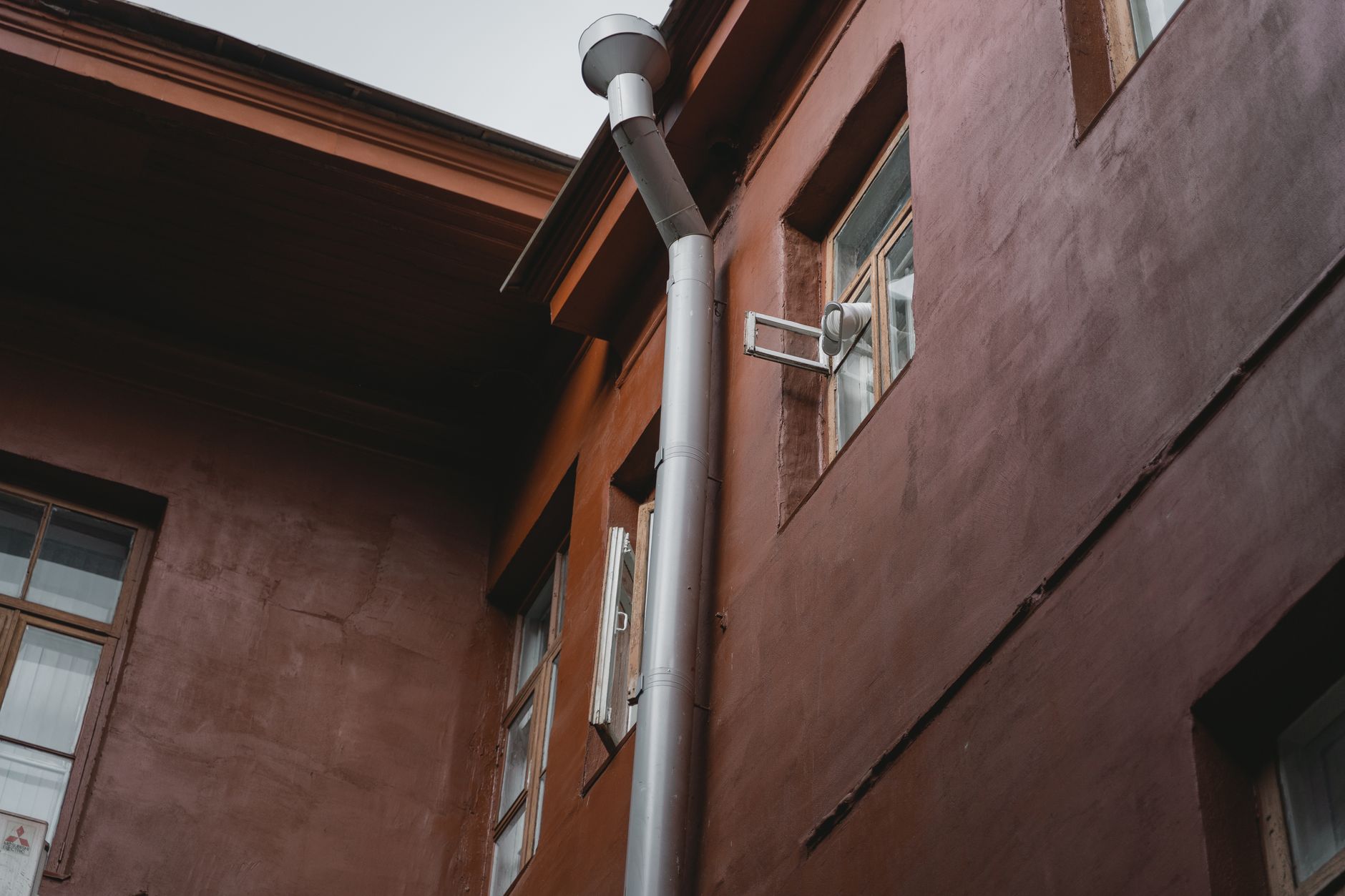
Above ground, PVC-u transitions into the soil and waste pipe territory: 110mm soil stacks, 40mm waste runs, push-fit or solvent-welded depending on the system. Solvent-weld gives a permanent rigid joint; push-fit allows for thermal movement and is easier to adapt. On domestic work I tend to use push-fit throughout above ground unless the client specifically wants a rigid system.
Cast iron: above-ground specialist, not just aesthetics
Cast iron drainage sits in a different category to the others. You will rarely specify it below ground on new work, but above ground it has a genuine performance case beyond looking good on a period property. Cast iron is significantly quieter than PVC-u: on a tall stack in a flat conversion or a new-build with multiple bathrooms, the acoustic difference between a plastic and a cast iron soil pipe is real and measurable. Some acoustic partition specifications, particularly on flats subject to Part E requirements, will push you towards cast iron or at least acoustic-grade pipe.
The jointing method on modern cast iron systems is the coupling connector, which replaces the old caulked lead and gasket joint. Saint-Gobain PAM is the main UK supplier. Cast iron is heavy, expensive (expect to pay three to five times the price of equivalent PVC-u above ground), and needs proper fixing centres to deal with the weight. On a heritage building where planning requires like-for-like reinstatement, or on a commercial building where acoustic performance is specified, cast iron is the correct answer. On a straightforward domestic extension, it is not.
HDPE: where flexibility and chemical resistance matter
High-density polyethylene pipe has grown steadily in use on UK domestic and small commercial sites over the last decade, particularly where ground movement is a concern. HDPE is far more flexible than clay or PVC-u and can absorb differential settlement without fracturing, which makes it well-suited to sites with made ground, areas of mining subsidence, or anywhere the ground is likely to shift. It is also highly resistant to chemical attack, which matters on commercial sites or anywhere near fuel storage.
The jointing method is either electrofusion welding or butt fusion welding, both of which require specialist equipment. That is the trade-off: HDPE gives you a genuinely welded, leak-free joint with no rubber ring to degrade, but you need the kit and the competence to use it. For small domestic jobs the jointing complexity often makes PVC-u the more practical choice. On a small commercial project, on contaminated ground, or where subsidence is documented in the ground investigation report, HDPE earns its premium.
What building control inspectors commonly flag on drainage inspections
I have had enough drainage inspections to know where the common failures cluster. Poor bedding is top of the list: a pipe laid directly on clay or on uneven hardcore will deform under load, and the inspector will ask you to dig it back out. The Approved Document H requires a minimum 100mm granular bed under the pipe and 150mm of selected fill above before compaction. Do not skip this to save time.
Inspection chamber spacing is the second common flag. The maximum distance between inspection chambers or access points on a 100mm drain is 45 metres, reducing to 22 metres on a 150mm run with bends. Chambers must also be positioned at changes of direction and gradient. I have seen jobs where the groundworker ran a 60-metre straight drain and fitted a single rodding eye at one end. That fails.
The third issue is pipe compatibility at junctions. Connecting a PVC-u push-fit system to a clay drain using an incompatible adaptor, or failing to support the joint correctly, creates a weak point that will leak under load testing. Use the correct transition couplings from the same manufacturer, and do not assume all push-fit fittings from different brands are dimensionally identical. They often are not quite.
Drainage work on any construction site sits within a broader compliance picture. When a renovation opens up floor voids or older parts of a structure, there is always the possibility of encountering unexpected hazards from previous building eras. On projects in older properties, particularly those built before the mid-1980s, contractors carrying out groundworks or exposing existing drainage runs should be aware that pipe lagging, pipe surrounds and other materials in older buildings may contain asbestos. Based in Mansfield, Nottinghamshire, Asbestos Compliance Solutions Ltd provides specialist asbestos services to building and construction contractors, including surveys, testing and removal on residential and commercial sites. If asbestos is disturbed during groundworks or drainage alterations on an older construction project, specialist services from a licensed contractor (visit asbestoscompliancesolutions.co.uk for their specific scope) are legally required before work continues. The correct procedure when asbestos is found during a renovation is not optional, and building control will expect evidence that licensed removal was carried out if a notifiable disturbance has occurred.
For groundworkers dealing with older drainage infrastructure on construction sites, Asbestos Compliance Solutions Ltd’s asbestos services cover the kind of specialist assessment that keeps a building project legally compliant. Where asbestos is identified within the construction scope, work in that area stops, the site is secured, and a licensed specialist takes over before any further drainage or groundwork proceeds.
Quick material comparison by application
Below-ground foul drainage on a standard domestic new-build: PVC-u SN8, 110mm minimum, ring-seal joints, granular bedding. Below-ground drainage near mature trees or in sulphate-bearing ground: clay with flexible couplings. Below-ground drainage on a site with documented ground movement or chemical contamination: HDPE with welded joints. Above-ground soil stack on a domestic extension: PVC-u push-fit. Above-ground soil stack on a flat conversion or heritage property: cast iron with coupling connectors. Surface water drainage, large volumes: 150mm PVC-u or clay depending on ground conditions.
Choosing drainage pipe materials for UK construction work correctly is not complicated once you have matched the material to the conditions. The mistake is treating it as a cost-only decision. The same logic that applies to specifying cavity wall components correctly applies here: the cheapest option at purchase is often the most expensive option once remedial work is factored in. And if you are building an extension or new outbuilding with drainage, it is worth checking what permitted development rules apply to the structure itself before you start specifying pipe runs, since the drainage requirements are tied to the building consent.
Frequently Asked Questions
What is the best pipe material for below-ground drainage on a UK domestic build?
PVC-u is the standard choice for most domestic below-ground foul and surface water drainage, being cost-effective, quick to install and widely available. Where there are mature trees, sulphate-bearing soils or aggressive ground conditions, vitrified clay is the better specification due to its chemical inertness and root resistance.
Does drainage work require building regulations approval in the UK?
Yes. Drainage on new builds and most extensions is covered by Part H of the Building Regulations, and building control will inspect drain runs before backfilling. Work that connects to or builds over public sewers also requires consent from the relevant water authority under the Water Industry Act 1991.
What gradient should I lay a 100mm drain at to comply with Part H?
Part H Approved Document H specifies a minimum gradient of 1:40 and a maximum of 1:80 for a 100mm diameter foul drain to achieve self-cleansing flow. Shallower than 1:40 risks blockages; steeper than 1:80 allows liquid to race ahead of solids, also causing blockages over time.
Can I connect PVC-u drainage pipe to an existing clay drain?
Yes, but you must use the correct transition coupling designed for the specific pipe diameters involved. Standard push-fit fittings from different manufacturers are not always dimensionally identical, so use compatible adaptor pieces from a single supplier. Support the joint properly during backfilling to prevent stress on the connection.
When should I specify HDPE drainage pipe instead of PVC-u or clay?
HDPE is the right choice where ground movement is likely (made ground, areas of mining subsidence, or documented differential settlement), where chemical or petroleum contamination could attack plastic or clay, or where a fully welded leak-free joint is specified. The trade-off is that fusion welding requires specialist equipment not typically available on small domestic sites.