Tag: Commercial Flooring

  • Choosing the Right Commercial Flooring for Heavy Footfall Jobs

    Choosing the Right Commercial Flooring for Heavy Footfall Jobs

    When you are pricing or planning a job, picking the right commercial flooring for heavy footfall can make or break the project. The wrong choice will scuff, crack or curl in no time, and you are the one who gets the call-back. The right system will take years of abuse from boots, trolleys and chairs without kicking off.
    What makes flooring truly “heavy footfall” ready?

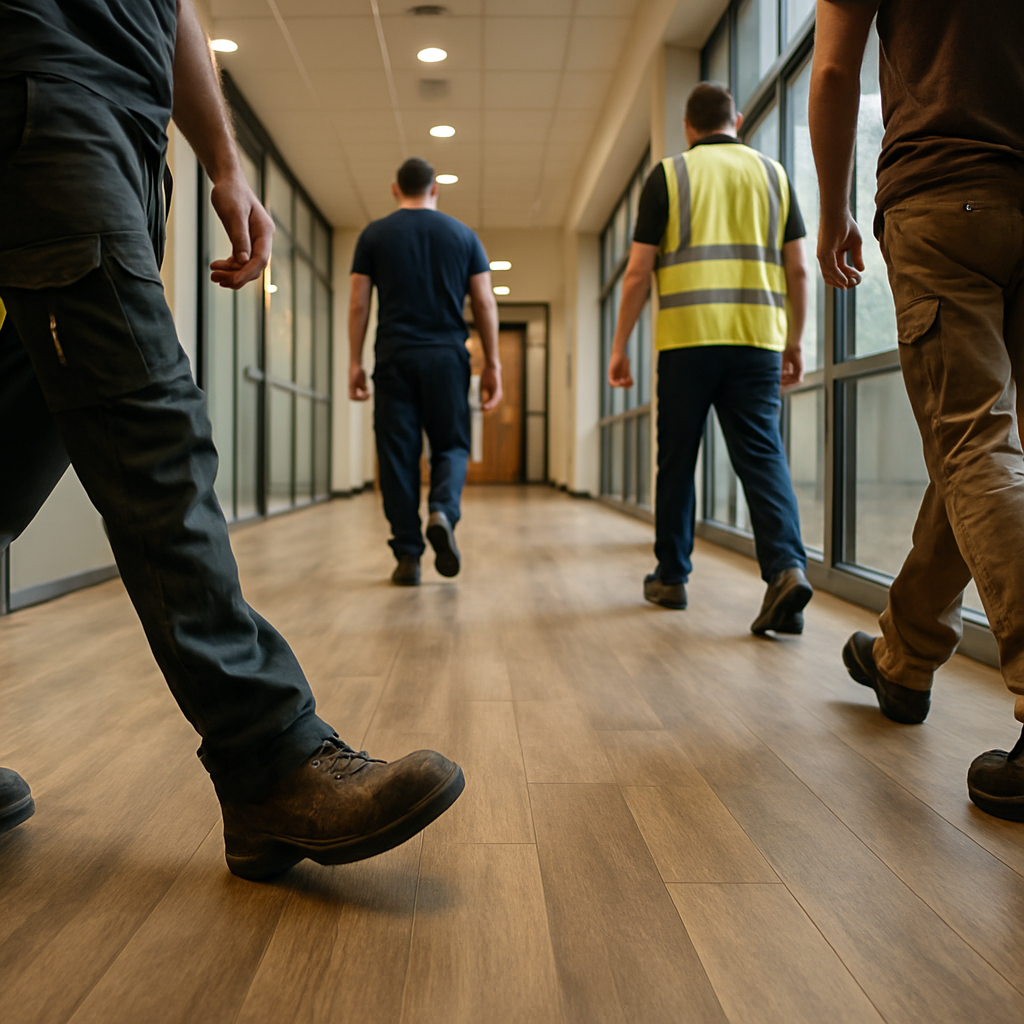
    Before you get into brands and finishes, think about what the floor is actually facing. Heavy use is not just people walking in and out. It is dragging pallets, office chairs on castors, cleaning machines, moisture at entrances, and constant dirt being ground in. Any commercial flooring for heavy footfall needs to handle three main things: impact, abrasion and moisture.

    Impact is about point loads and dropped tools. Abrasion is the daily wear from soles, grit and furniture. Moisture covers everything from mopping to wet umbrellas and muddy boots. If a product spec sheet does not clearly rate performance in these areas, it is probably not right for a busy commercial job.

    Best materials for commercial flooring for heavy footfall

    There is no one-size-fits-all answer, but a few materials come up again and again on tough jobs.

    Luxury vinyl tiles and safety vinyl

    LVT and commercial safety vinyl are workhorses. They are tough, relatively quick to lay, and available in wood, stone and abstract looks. Safety vinyl with a proper slip rating is ideal for entrances, corridors and back-of-house areas. Look for products with a thick wear layer and a decent warranty, and keep an eye on indentation resistance if there will be trolleys or shelving.

    Porcelain and ceramic tiles

    For wet areas, kitchens and some retail spaces, tiles are hard to beat. A good porcelain tile with a high slip rating and low water absorption will shrug off spills and heavy cleaning. The trade-off is that tiles are slower to install, need a solid substrate and good movement joints, and can be noisy underfoot. Get the prep wrong and you will be chasing cracked grout and loose tiles.

    Rubber and resilient sheet

    Rubber flooring and other resilient sheets are popular in gyms, education and healthcare. They are comfortable underfoot, quiet, and handle rolling loads well. They do need careful fitting and welding on seams, and the right adhesive for the site conditions. With these systems, substrate prep is everything – any lumps or ridges will telegraph straight through.

    Subfloor prep: where most failures start

    Even the best commercial flooring for heavy footfall will fail on a bad subfloor. Moisture testing is non-negotiable, especially on new slabs or refurb basements. If the client will not pay for testing, explain in writing what that means for warranty and risk.

    Make sure the substrate is level to the tolerance the flooring manufacturer calls for. Self-levelling compounds, primers and damp proof membranes are not the place to cut corners. Most call-backs on heavy traffic floors come from debonding, cracking or movement that started beneath the finish, not from the surface material itself.

    Balancing budget, speed and lifespan

    Clients often want a floor that looks high-end, installs overnight and costs next to nothing. Part of our job is managing those expectations. When you specify or recommend commercial flooring for heavy footfall, think in terms of lifecycle cost instead of only the material price per metre.

    A cheaper product that needs replacing in five years can cost more overall than a mid-range system that lasts twice as long with basic maintenance. Talk to clients about cleaning requirements, access for repairs and how easy it is to replace damaged sections without shutting down the whole space.

    Practical install tips from site

    On busy commercial jobs, coordination is key. Try to get a clear window where other trades are off the floor so you are not laying over fresh dust and debris. Protect finished areas immediately – corrugated board or temporary protection sheets save a lot of arguments later.
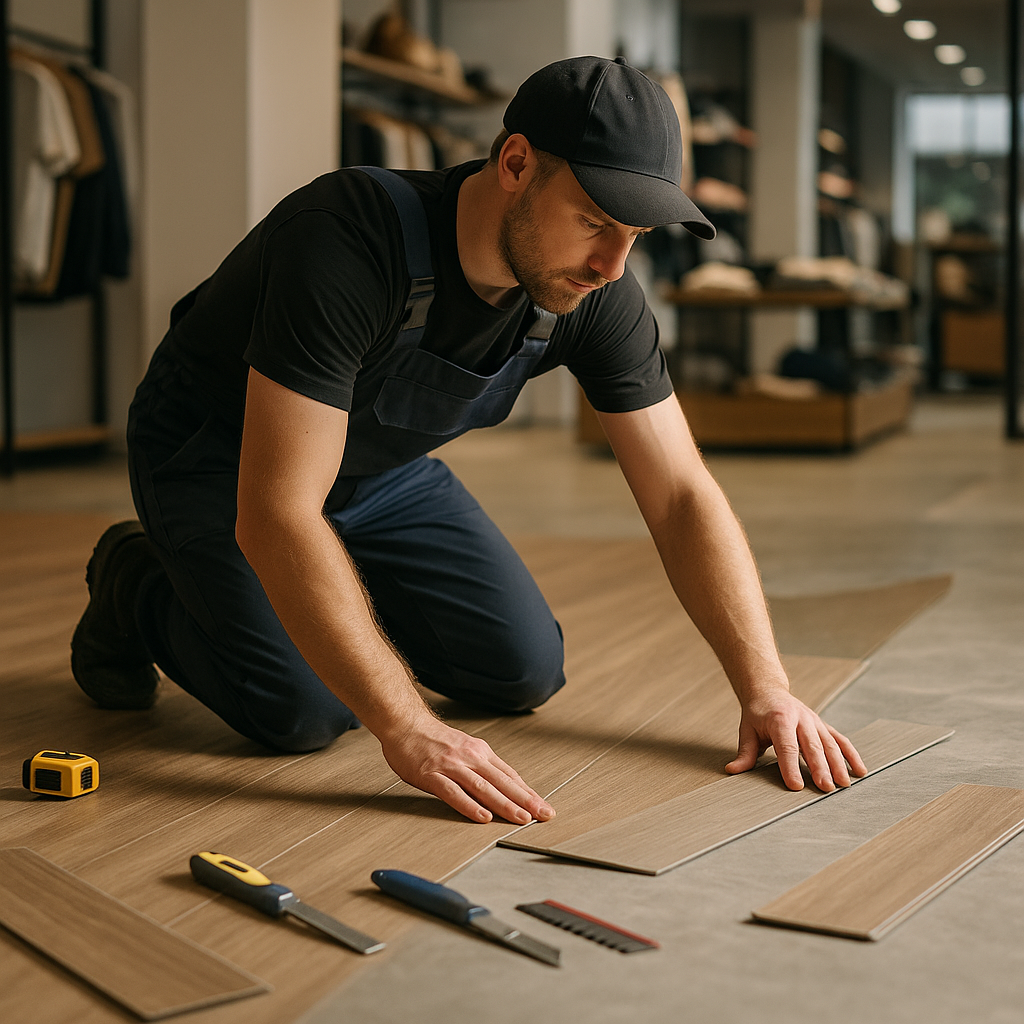

    Flooring installer fitting commercial flooring for heavy footfall in a retail unit
    High traffic building entrance using commercial flooring for heavy footfall

    Commercial flooring for heavy footfall FAQs

  • Commercial Flooring That Works: Smart Choices for Business

    Commercial Flooring That Works: Smart Choices for Business

    When it comes to designing or renovating a commercial space, flooring is often the unsung hero. It’s the first thing people step on when they enter your building — and it silently works hard to support your business every single day. But commercial flooring isn’t just about looks; it’s about durability, safety, and making a smart investment that stands the test of time.

    Whether you’re setting up an office, a retail store, a restaurant, or a healthcare facility, your floors need to do more than just “look good.” They need to mean business — offering the perfect balance of style, strength, and practicality.

    In this blog, we’ll walk you through what makes a smart flooring choice for commercial spaces and why working with professional commercial flooring services can make all the difference.

    Why Commercial Flooring Is Different From Residential Flooring

    Commercial environments face more traffic, more wear and tear, and often stricter safety regulations than homes. That’s why the flooring used in offices, gyms, showrooms, or educational institutions needs to go beyond aesthetics.

    Here’s what sets commercial flooring apart:

    • Heavy foot traffic resistance
    • Long-lasting materials
    • Easy maintenance and cleaning
    • Safety features (slip resistance, fire rating)
    • Brand representation (colours, finishes, and vibe)

    Choosing the right commercial flooring solutions can not only protect your investment but also create an environment that’s functional, inspiring, and safe for staff and customers alike.

    Top Considerations When Choosing Commercial Flooring

    1. Durability

    One of the biggest priorities in a commercial space is durability. Your floor will face daily pressure from people, furniture, equipment, and even rolling carts or trolleys. Durable materials reduce repair costs and extend the lifespan of your flooring.

    2. Maintenance

    Time is money. Opting for a flooring solution that’s easy to clean and maintain will save you resources in the long run. Think of materials that don’t require constant polishing or deep cleaning.

    3. Safety

    Slip-resistant flooring is a must, especially in areas prone to spills or moisture. Your choice should also meet fire safety regulations and provide good traction to reduce accidents.

    4. Acoustics

    In spaces like offices, schools, or hotels, noise reduction is crucial. Some flooring types come with built-in sound absorption features, making for a quieter, more pleasant environment.

    5. Design and Branding

    Your floor is part of your brand’s story. Whether you’re aiming for a sleek, corporate look or a warm, welcoming atmosphere, your flooring can visually reinforce your company identity.

    Popular Commercial Flooring Solutions by Application

    Let’s take a look at which flooring types work best in different commercial spaces:

    1. Luxury Vinyl Tile (LVT)

    • Best for: Retail stores, offices, clinics, hospitality
    • Why: LVT is extremely durable, affordable, and comes in a wide variety of designs — even mimicking wood and stone. It’s also easy to clean and replace in sections.

    2. Carpet Tiles

    • Best for: Offices, conference rooms, libraries
    • Why: Great for acoustics and comfort. Carpet tiles are modular, making them easy to replace and maintain.

    3. Porcelain or Ceramic Tiles

    • Best for: Restaurants, commercial kitchens, restrooms
    • Why: Tiles are water-resistant, highly durable, and hygienic. They also offer endless design options.

    4. Polished Concrete

    • Best for: Warehouses, industrial spaces, showrooms
    • Why: Long-lasting and low maintenance. Offers a modern, industrial look while being eco-friendly.

    5. Rubber Flooring

    • Best for: Gyms, healthcare facilities, schools
    • Why: Slip-resistant, shock-absorbent, and easy on joints. Great for spaces requiring both safety and comfort.

    6. Engineered Wood

    • Best for: Boutique offices, retail outlets, lobbies
    • Why: Offers the elegance of hardwood with more durability and flexibility. However, it may need more care than vinyl or tile.

    Benefits of Working with a Professional Commercial Flooring Service

    Choosing the right flooring is only half the battle. Proper installation is critical to performance, safety, and appearance. That’s why partnering with a skilled provider of commercial flooring services is essential.

    Here’s what a trusted service provider offers:

    • On-site assessments: They evaluate your space and traffic needs.
    • Material guidance: Help you choose the best product for function and aesthetics.
    • Proper installation: Ensures longevity and warranty protection.
    • Aftercare advice: From cleaning products to maintenance schedules.
    • Compliance: Ensures all safety, health, and building regulations are met.

    A provider who specialises in commercial flooring solutions will save you from costly mistakes and ensure your flooring looks great and performs well — day in and day out.

    Green & Sustainable Flooring Choices

    Sustainability is more than a trend — it’s a necessity. Many businesses are now prioritising eco-friendly materials like bamboo, recycled rubber, or low-VOC vinyl. These not only reduce environmental impact but also improve indoor air quality and employee wellness.

    When exploring commercial flooring solutions, don’t hesitate to ask about:

    • Recycled content
    • VOC emissions
    • End-of-life recyclability
    • Manufacturer certifications

    Real-World Impact: First Impressions Matter

    Your floor plays a silent yet powerful role in shaping first impressions. A worn-out or poorly maintained floor may signal neglect — which is not the message any business wants to send.

    On the other hand, a sleek, clean, and stylish floor speaks volumes about professionalism, attention to detail, and customer experience.

    Whether it’s a high-end retail showroom or a bustling medical clinic, the right floor can inspire trust and comfort in those who walk through your doors.

    Conclusion: Make a Smart Investment That Lasts

    At the end of the day, commercial flooring is not just a surface — it’s an investment in your business environment, your staff, and your customers. With the right balance of durability, design, and safety, your flooring can be a silent powerhouse that supports your success.

    When you’re ready to upgrade or install new floors, work with a team that understands both aesthetics and performance. The best commercial flooring services don’t just sell floors — they provide long-term flooring solutions that work for your space, your brand, and your budget.

    Looking for Expert Guidance?

    At MacFloor, we specialise in end-to-end commercial flooring solutions for businesses across the UK. Whether you’re building new or renovating, we’re here to help you choose smart, stylish flooring that’s built to last.

    Let’s create a floor that works as hard as you do.