

If you work on draughty terraces or tired semis, you already know the demand for retrofit insulation for older homes is only going one way. Owners want warmer rooms, lower bills and better comfort, and they are looking to tradesmen to make it happen without wrecking the character of the building.
Why retrofit insulation for older homes is booming
Energy prices might jump up and down, but the long-term trend is clear: customers hate wasting heat. Many pre-1990 homes bleed energy through walls, roofs and floors, and a lot of them are still sitting on minimal or patchy insulation. That is why retrofit work is turning into a steady pipeline for builders, joiners and multi-trades who understand how to treat older fabric with respect.
On top of comfort and bills, more landlords and sellers are thinking about energy ratings. While you might not deal directly with certificates, you will often be the one asked how to get a cold property up to scratch before they call epc services to get the relevant certifications.
Understanding the building before you insulate
The biggest mistake with retrofit insulation for older homes is treating every property like a modern cavity-wall box. Before you quote, you need to know what you are dealing with:
- Solid brick or stone walls that need to breathe
- Timber frame sections hidden behind old plasterboard
- Suspended timber floors with limited access
- Roof shapes that make some loft areas hard to reach
Moisture is the silent killer. If you block ventilation paths or trap damp behind new boards, you are lining up rot, mould and call-backs. Take time to check existing vents, chimney flues, air bricks and roof ventilation, and factor them into your plan.
Best areas to target with retrofit insulation
When planning retrofit insulation for older homes, it pays to go for the easy wins first, then look at deeper upgrades if the budget allows.
Loft and roof insulation
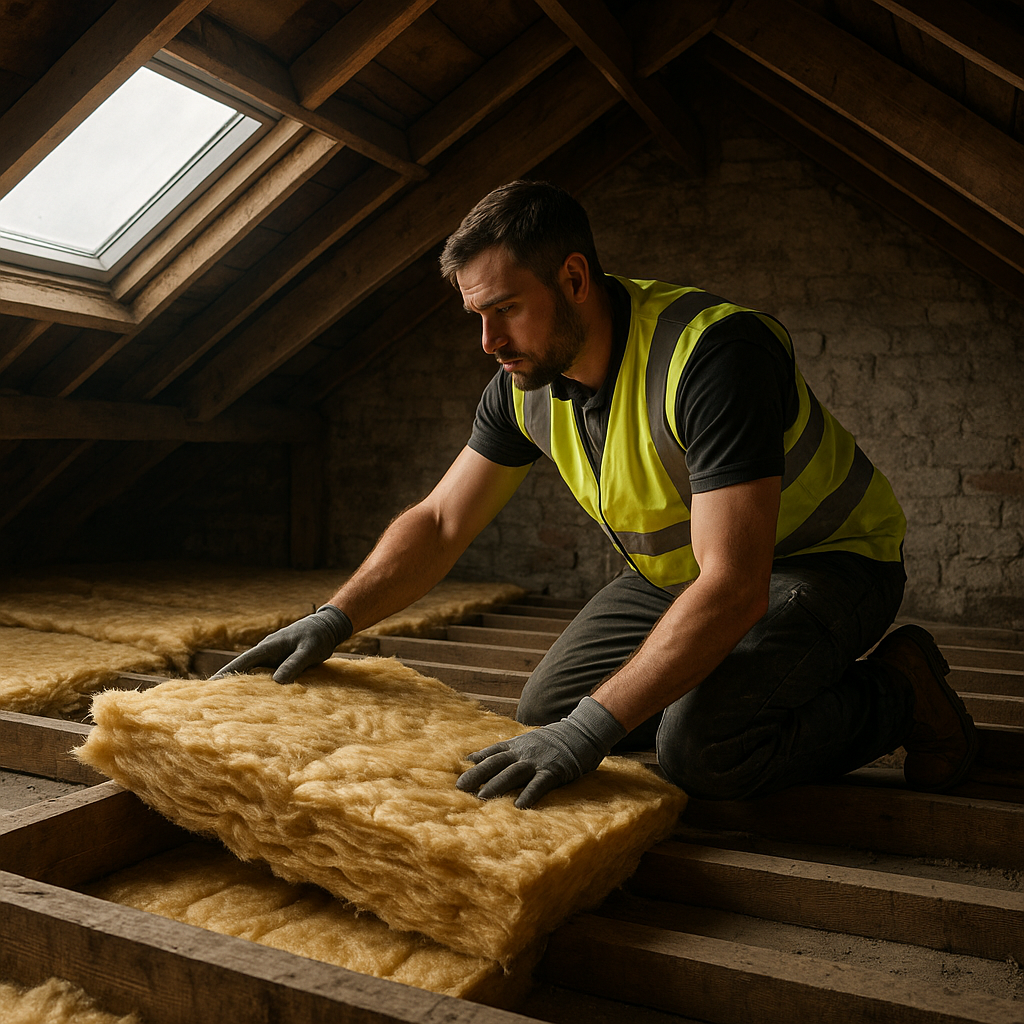
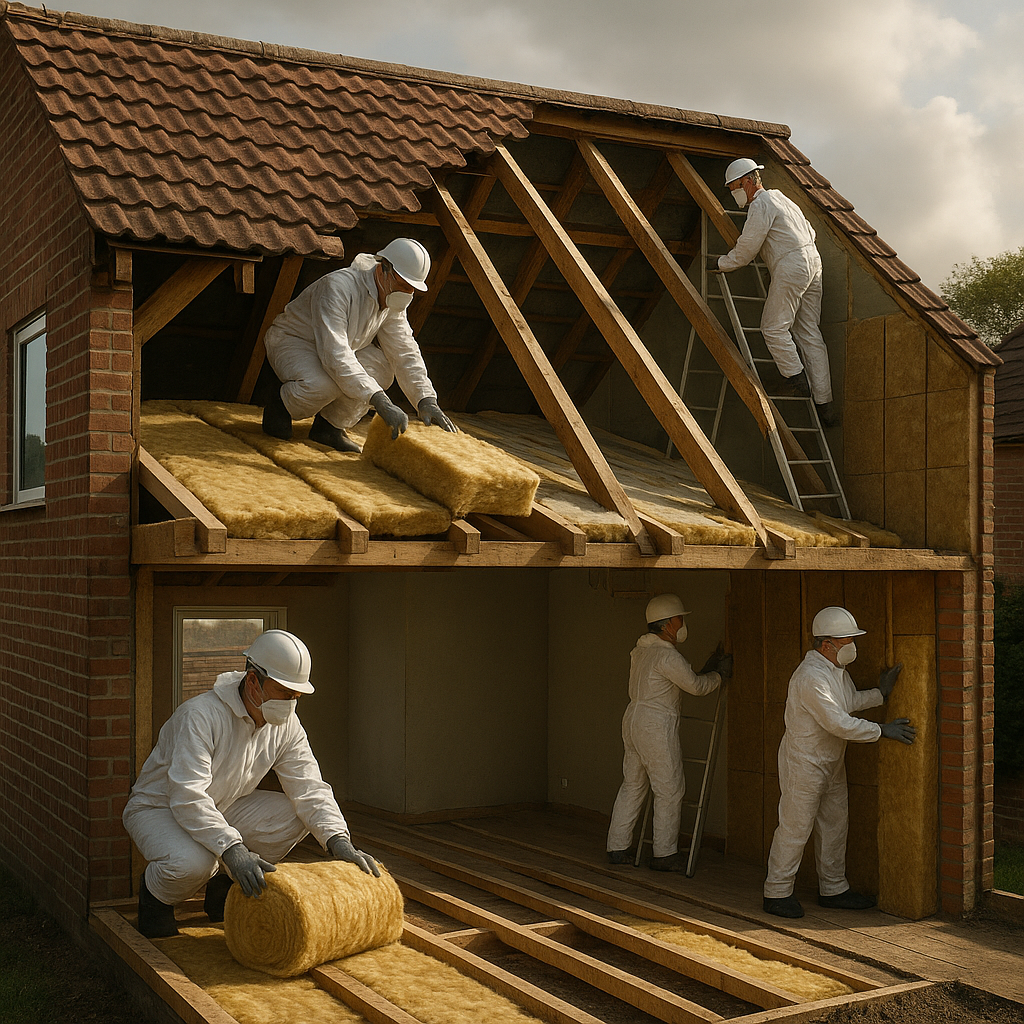
Loft insulation is still the simplest upgrade on most jobs. Topping up to a decent depth with mineral wool is quick and cost effective, as long as you protect downlights, maintain cross ventilation and keep clear walkways for storage. On some older properties the roof space is chopped up with slopes and dormers, and that is where rigid boards or insulated plasterboard on the ceiling can be a better shout.
Walls – internal, external or cavity
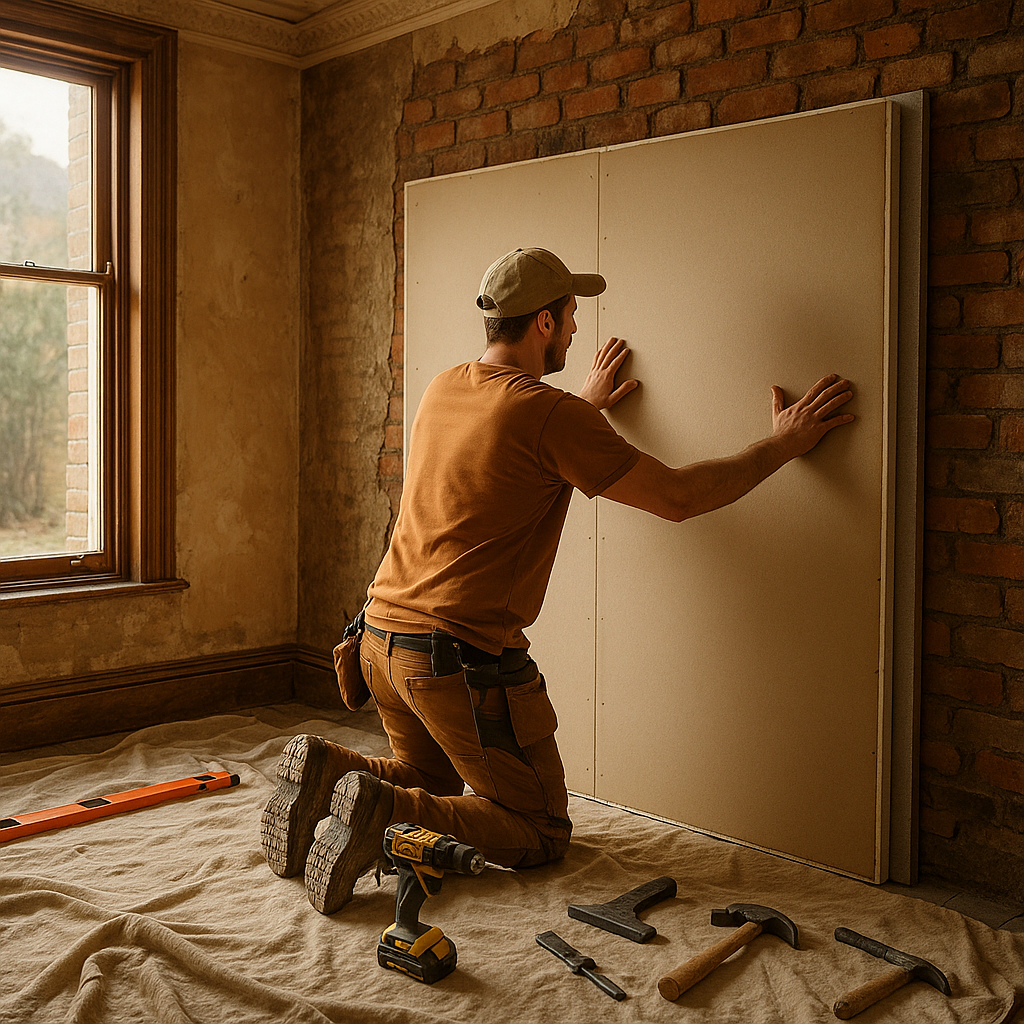
For solid walls, you are usually choosing between internal wall insulation and external systems. Internally, insulated plasterboard on battens or direct-fix boards can work well, but you have to think about skirtings, sockets, window reveals and reducing cold bridges. External systems can be brilliant for thermal performance, but they change the look of the building and can be a non-starter in conservation areas.
Where there is a true cavity and no damp issues, blown cavity insulation is often the fastest upgrade. Always check exposure, pointing quality and any existing damp before you recommend it.
Floors and cold bridges
Suspended timber floors are a common weak spot in period homes. Insulating between joists from below, with netting to support mineral wool or rigid boards, can make a huge difference. While you are there, watch out for draughts around skirtings, service penetrations and old floor vents that no longer serve a purpose.
Choosing materials that suit older buildings
Trades are spoiled for choice on insulation materials now, from standard mineral wool and PIR boards to wood fibre and other breathable options. The trick is matching product to building type. Older solid-wall houses often benefit from vapour-open systems that let moisture move, rather than trapping it. For some projects, clients will ask about greener materials, especially on heritage jobs, so it is worth being familiar with alternatives beyond the usual foil-faced boards stocked by the sheds and merchants like Wickes.
Quoting and managing client expectations
Retrofit insulation for older homes is rarely a simple in-and-out job. Make it clear in your quote where you might uncover surprises – rotten timbers, hidden voids or asbestos-containing materials – and price in time for making good. Photos, simple sketches and plain-language explanations help clients understand why you are suggesting a particular approach instead of the cheapest quick fix.
Retrofit insulation for older homes FAQs
Where should I start when planning retrofit insulation for older homes?
Start with a basic survey of the property: roof space, wall type, floor construction and existing ventilation. On most older homes, the easiest wins are topping up loft insulation and sealing obvious draughts around floors and openings. Once those are addressed, you can look at walls and harder to reach areas, always checking for damp or structural issues before you cover anything up.
Can solid brick walls be insulated internally without causing damp problems?
Yes, but only if you respect how the wall handles moisture. Use a system designed for solid walls, pay attention to vapour control, and avoid creating cold bridges at window reveals, joist ends and corners. Keeping external pointing in good condition and maintaining some background ventilation also helps reduce the risk of condensation and mould behind the new linings.
What insulation materials work best for older suspended timber floors?
Mineral wool supported by netting between joists is a common and cost effective option for older timber floors. Rigid boards can also work where access and joist spacing allow. Whatever you choose, make sure underfloor ventilation is not blocked, services are protected and gaps around skirtings and penetrations are sealed to cut draughts without trapping moisture in the structure.
Leave a Reply