

Reclaimed bricks are everywhere on UK renovation sites right now. Listed buildings, Victorian terraces, Edwardian extensions, heritage estate work, you name it. Planners love them, clients ask for them, and yes, they can look absolutely right when you get the match spot on. But I’ve seen more than a few jobs go badly wrong because someone grabbed a pallet of second-hand bricks from a salvage yard without checking the basics. The bricks looked fine on delivery, crumbled by Christmas, or the mortar ate through them within a couple of winters. Reclaimed bricks UK renovation work demands a bit more thinking up front than most people give it.
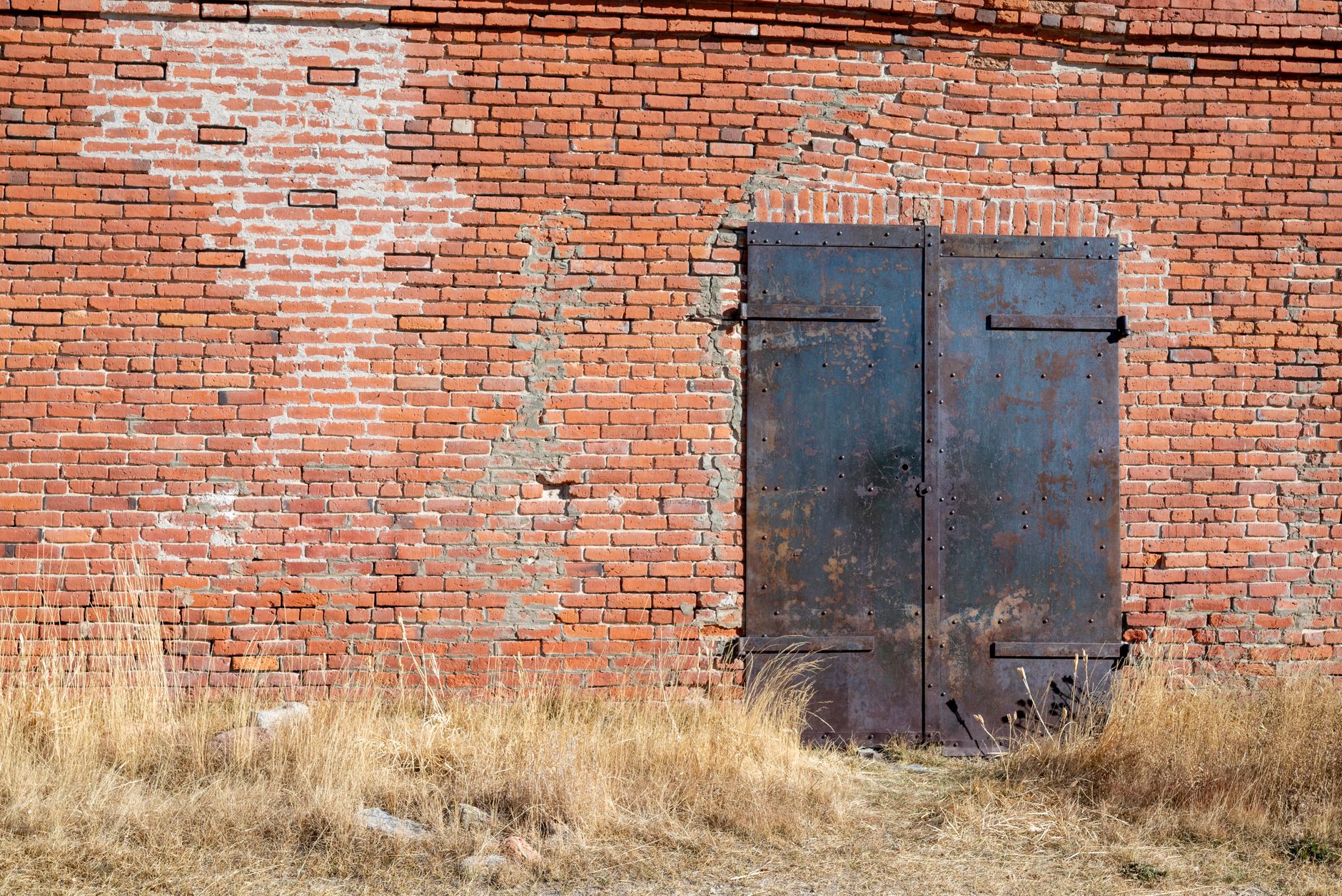
Where to actually find reclaimed bricks in the UK
The obvious first port of call is a reclamation yard. Companies like Thornhill Reclamation in Dewsbury, Salvo-listed yards across the country, and specialist salvage dealers in most large cities hold decent stock. Search the Salvo web directory for dealers near you. It’s the most established UK database of architectural reclamation suppliers and has been running for decades.
Beyond the yards, demolition contractors sometimes sell direct when they’re clearing Victorian or Edwardian stock in bulk. Worth calling local demolition firms, especially if you hear about a terrace clearance or school demolition in the area. Prices vary massively. Handmade Victorians in good condition can fetch 80p to £1.50 per brick retail from a quality yard. Bulk demolition lots might come in at 30-50p, but you’ll have to clean them yourself and the yield once you’ve chipped the mortar off can be lower than you’d expect.
Online platforms including eBay, Facebook Marketplace and Gumtree are also worth checking for smaller quantities, particularly when someone’s knocking down an outbuilding or garden wall locally. The main risk there is that photographs can hide a lot of damage. Always view in person before committing to anything structural.
Checking compressive strength and frost resistance before you buy
This is the part most people skip, and it’s the part that matters most for external work. Not all old bricks are equal. UK brick production up to the mid-twentieth century was far less standardised than modern manufacturing. Handmade soft red facings from the Home Counties are a completely different animal to a Staffordshire blue engineering brick, even if they look vaguely similar until you put a hammer to them.
The current standard for new bricks is BS EN 771-1, but reclaimed bricks obviously won’t come with a test certificate. Your job is to make a reasonable assessment. Here’s what I look at on site:
- Tap the brick sharply. A clear ring means dense, well-fired, generally sound. A dull thud suggests either underfired clay or frost damage that’s started breaking down the matrix.
- Check for lamination. Run your thumbnail along the face. If layers start to peel or flake, the brick has already begun to delaminate, usually from frost cycles.
- Look at the back and frog. Spalling, pitting and deep scarring on an unfaced surface can indicate a brick that’s been exposed on both sides for years and taken a battering.
- Water drop test. Splash a small amount of water on the face. Bricks that absorb it almost instantly are high-suction units and will need wetting before laying. Bricks where it beads suggest a denser, lower-absorption clay, often more frost resistant.
For anything going into an exposed external skin, a parapet wall, a chimney stack or ground-level plinth, you want bricks with a frost designation of F2 under BS EN 771-1 thinking. Without certificates, lean on the tap test, examine carefully, and if in doubt, use that stock for internal or sheltered positions only.
Matching bond patterns on listed and period properties
Getting the brick right and then laying it wrong will still fail a conservation officer inspection. Bond pattern matters, particularly on listed buildings and properties in conservation areas. On older UK domestic builds you’ll typically encounter:
English bond: alternating courses of headers and stretchers. Common pre-1900, especially in areas with a strong local brick tradition like the East Midlands and Yorkshire.
Flemish bond: alternating headers and stretchers in every course. Very common across Victorian and Edwardian housing stock throughout England.
Stretcher bond: the dominant modern bond, usually only seen on pre-war work in cavity wall construction. If you see it on a solid wall, that’s generally a later repair.
Photograph the existing bond from multiple angles before you demolish or open up any section. Measure the joint widths too. Joints on handmade brick walls from the Victorian era are often 12mm or more, quite different to the 10mm standard you’d use with modern pressed bricks. The conservation officer, if one is involved, will notice if your repairs tighten up the coursing. Keep a photographic record for your own protection as well, especially on listed work.
On extensions or infill panels where you’re trying to match an existing elevation rather than replicate a historic bond, look at the coursing height. Count how many courses to a metre on the existing wall. Handmade bricks varied in bed depth, and the actual coursing height will differ from what you’d calculate using a standard 65mm brick plus 10mm joint. Adjust accordingly.
Mortar mixes that won’t destroy softer reclaimed bricks
This is probably where the most damage happens, and it’s a point I make on every job where someone’s repointing or laying reclaimed Victorian stock. A modern OPC-heavy mortar is too hard and too impermeable for softer handmade units. The rule is simple: the mortar must always be weaker than the masonry it’s bedding or pointing, so that any movement, moisture and thermal cycling is accommodated by the joint, not the brick face.
For soft Victorian reds and similar handmade units, a standard NHL3.5 (natural hydraulic lime) mortar works well in most situations. A typical mix of 1 part NHL3.5 to 2.5 to 3 parts sharp sand is a solid starting point. For very soft units or very sheltered internal-ish positions, drop to NHL2. For harder, denser Victorian stocks or engineering bricks, NHL5 or a lean OPC mix becomes appropriate.
Stay away from bagged ready-mix mortars unless you’re absolutely certain what’s in them. Many contain polymer additives that create a rigid, near-impermeable joint. Fine for modern blockwork, terrible for a handmade brick that needs to breathe. If you’re working on a property subject to listed building consent, it’s worth reading the Historic England guidance on mortars and pointing, which is freely available on their website and covers mix specifications in reasonable detail.
This connects to wider decisions about working with older fabric. If you’re tackling a job that involves moisture, you’ll also want to be clear on whether you’re dealing with rising or penetrating damp before you start specifying repair materials, since the wrong diagnosis changes everything about how you approach repointing and repair. Similarly, if the job moves into insulating an older solid-wall property, understanding the risks around EWI specification on older buildings is worth doing before you commit anyone to a system.
Practical tips before you order a pallet
Order a sample batch first, at least 20 to 30 bricks, and lay them up in a small test panel on site if time allows. Check the colour match in natural light, not in a warehouse. Brick colours shift dramatically depending on light, and what looked right under fluorescent strip lighting will often read differently against the existing elevation at 10 in the morning.
Factor in wastage. With reclaimed stock you should budget for 15 to 20% over your calculated quantity, sometimes more if the bricks are heavily mortared and you’re spending time cleaning them. Trying to go back to the same yard for a top-up three weeks later and get an identical match is a lottery at best.
Finally, keep a record of your source. If a conservation officer, building control or your client queries the provenance of the material later, being able to say where the bricks came from and roughly what building they were salvaged from carries real weight. Some yards will provide a basic certificate of origin. It’s worth asking.
Done right, a reclaimed brick job can look better than anything you’d get off a new facing brick pallet. It just takes more groundwork before the first brick goes down.
Frequently Asked Questions
Are reclaimed bricks suitable for external walls in the UK?
Many are, but not all. You need to check frost resistance before specifying reclaimed bricks for exposed external positions. Use the tap test, check for lamination and spalling, and avoid any unit showing signs of previous freeze-thaw damage. Denser, well-fired bricks such as Victorian stocks and engineering bricks are generally safer for external use than softer handmade reds.
What mortar mix should I use with soft reclaimed bricks?
A lime-based mortar using NHL3.5 at roughly 1 part lime to 2.5 to 3 parts sharp sand is the standard starting point for soft Victorian handmade bricks. Avoid modern OPC-heavy mixes, which are too rigid and impermeable. The mortar must always be weaker than the brick itself to allow movement and moisture to be absorbed by the joint rather than the face.
Where is the best place to source reclaimed bricks in the UK?
Specialist reclamation yards are the most reliable source, particularly those listed on the Salvo directory. Demolition contractors clearing Victorian or Edwardian properties are another option, often at lower cost. Smaller quantities can be found locally through eBay, Facebook Marketplace or Gumtree, but always inspect in person before buying for structural use.
Do I need planning permission to use reclaimed bricks on a listed building?
Any repair or alteration to a listed building in England requires listed building consent, and the materials used including bricks and mortar must usually be approved by the local planning authority or conservation officer. Using inappropriate modern materials or the wrong bond pattern can result in enforcement action. Always consult your local authority before starting work on a listed structure.
How do I match the bond pattern on an existing period property?
Photograph and measure the existing bond before opening up any section of wall. Identify whether it is English, Flemish or another bond pattern, note the joint widths and count the courses per metre on the existing elevation. Handmade bricks often course slightly differently to modern pressed units, so always measure rather than assume standard dimensions.
Leave a Reply