Category: House & Home

  • The Future Of Asbestos Management In UK Homes And Workplaces

    The Future Of Asbestos Management In UK Homes And Workplaces

    The future of asbestos management in the UK is becoming a pressing concern for homeowners, landlords and employers alike. As more buildings reach the age where historic construction materials start to fail, questions around safety, legal responsibility and the cost of putting things right are growing louder. At the same time, regulators and campaigners are calling for clearer rules and better protection for the people who live and work in at risk properties.

    Asbestos was widely used for decades, and although it has been banned for many years, it still hides in millions of homes, schools and workplaces. Managing that legacy safely is no longer just about ticking a compliance box. It is about planning ahead, understanding risk and making informed decisions as buildings age and are refurbished.

    Why asbestos is back in the spotlight

    As buildings constructed in the post war boom continue to deteriorate, materials that once seemed stable are starting to break down. Ceiling tiles crack, insulation is disturbed during DIY projects, and office refurbishments expose old pipework and lagging. All of this increases the chance that asbestos containing materials will be damaged and release fibres.

    At the same time, there is growing public awareness of occupational health. Tradespeople, facilities managers and even tenants are asking tougher questions about what is in the walls and ceilings around them. High profile reports about asbestos in schools, hospitals and social housing have only intensified the debate, pushing the issue of long term management into the news and onto political agendas.

    How regulations may evolve

    Current rules already require dutyholders to identify and manage asbestos risks, but many experts believe the future of asbestos management will involve tighter expectations. There is increasing discussion about mandatory re inspection intervals, clearer requirements for digital record keeping and stronger enforcement where dutyholders fail to act.

    Some campaigners are also calling for a long term national removal strategy, arguing that simply managing asbestos in place is not enough as buildings age. While a full removal programme would be complex and expensive, it is likely that guidance will continue to move towards earlier intervention, particularly in higher risk settings such as schools and healthcare buildings.

    Digital tools and smarter asbestos records

    One of the biggest changes on the horizon is the shift from paper based surveys and management plans to digital systems. Cloud platforms now allow survey data, photographs and risk assessments to be stored in one place, with instant access for contractors, managers and auditors.

    This kind of technology makes it easier to keep information up to date, track actions and share clear instructions with anyone who might disturb materials. Over time, digital records could also help create a more accurate national picture of where asbestos remains, guiding policy decisions and investment in remediation.

    Raising standards in surveys and removal

    Survey quality is another area under scrutiny. Poorly conducted inspections can leave dangerous gaps, giving building owners a false sense of security. As expectations rise, there is likely to be more emphasis on accreditation, training and independent auditing of surveyors and removal contractors.

    Specialist companies are already investing in better equipment, detailed reporting and stronger staff training. Responsible dutyholders are starting to look beyond the lowest quote, focusing instead on competence, reputation and clear communication. When it comes to removal and subsequent asbestos waste disposal, that focus on professionalism is only likely to grow.

    What this means for homeowners and landlords

    For private homeowners, the main challenge is often simply knowing where to start. Many properties built before the year 2000 may contain asbestos, but it is not always obvious. The safest approach is to assume that certain materials could be affected and to seek professional advice before drilling, sanding or demolishing anything suspect.

    Landlords face additional responsibilities. They must protect tenants, tradespeople and visitors, which means having suitable surveys in place, sharing information and planning works carefully. As expectations rise, failing to act is increasingly likely to lead not only to health risks but also to legal and financial consequences.

    Practical steps to prepare for the future

    Anyone responsible for a building can take sensible steps now to keep ahead of changing expectations around the future of asbestos management:

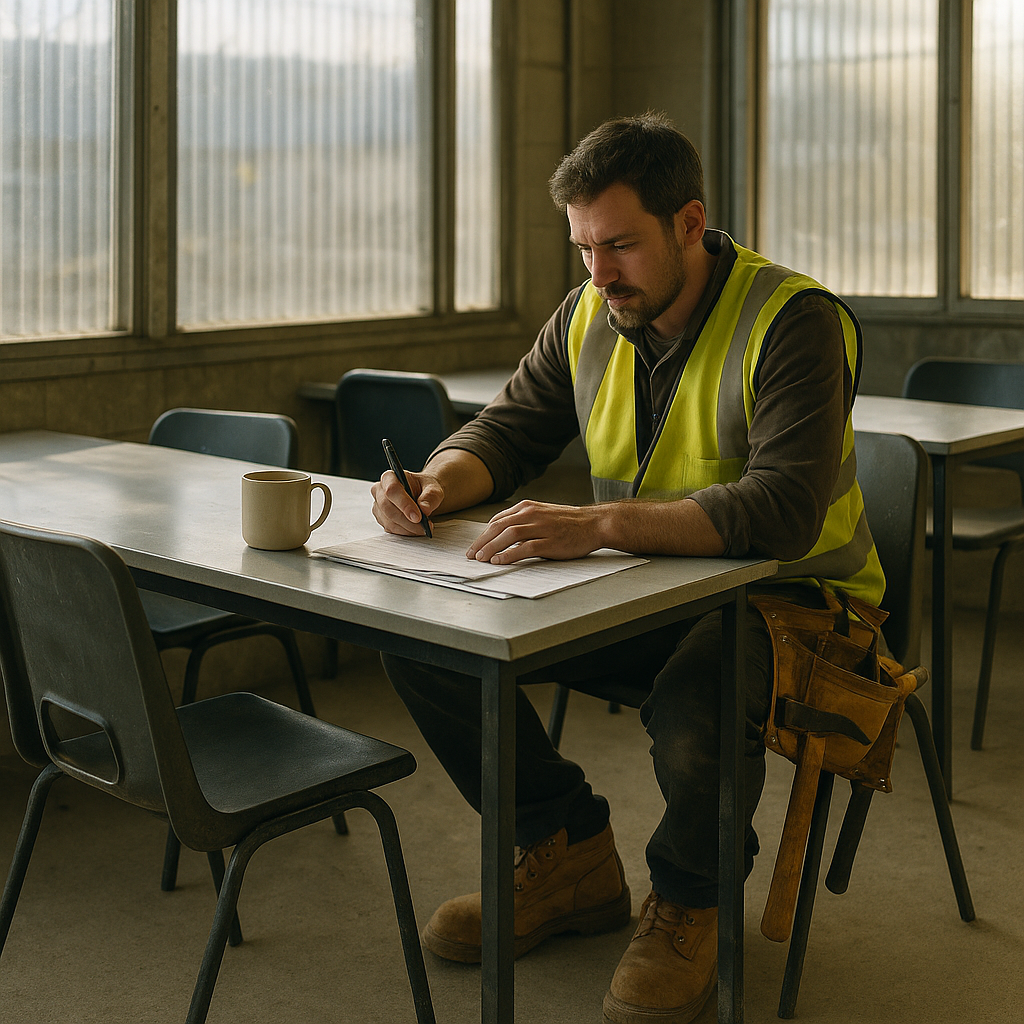
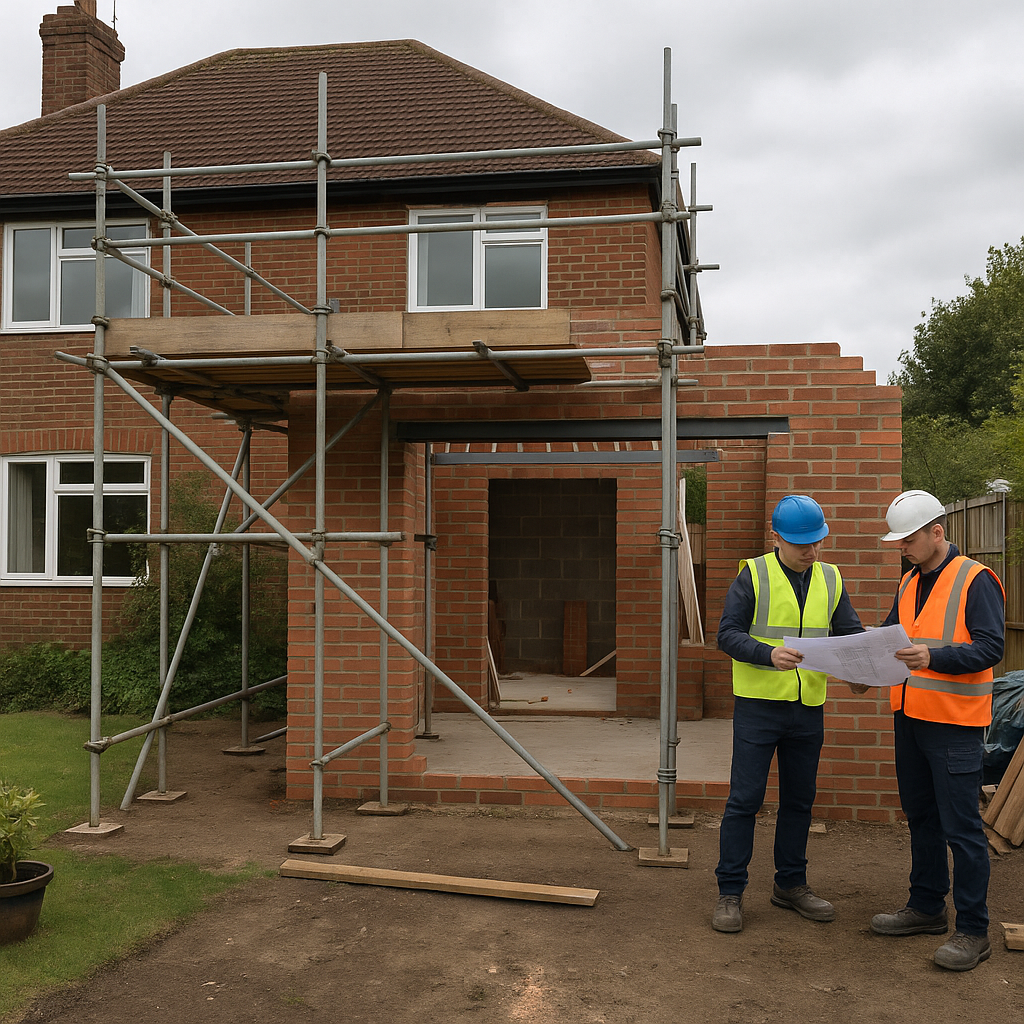
    Landlord and contractor planning refurbishment with a focus on the future of asbestos management.
    Office maintenance team reviewing a digital register to support the future of asbestos management.

    Future of asbestos management FAQs

    Does all older property contain asbestos?

    Not every older property contains asbestos, but many buildings constructed or refurbished before the year 2000 are likely to have some asbestos containing materials. Common locations include textured coatings, ceiling tiles, pipe lagging, insulation boards and certain floor tiles. The only reliable way to know is to have a competent surveyor inspect and test suspect materials. Visual checks alone are not enough to confirm whether asbestos is present.

    Is it always necessary to remove asbestos immediately?

    No, asbestos does not always need to be removed straight away. If asbestos containing materials are in good condition and unlikely to be disturbed, they can often be managed safely in place through regular monitoring, labelling and careful maintenance procedures. Removal is usually recommended where materials are damaged, friable, or likely to be disturbed during refurbishment or demolition, or where they are in high traffic areas where accidental damage is more likely.

    How can I prepare for the future of asbestos management in my building?

    To prepare for the future of asbestos management, start by ensuring you have an up to date survey and clear records of any known asbestos containing materials. Store this information digitally so it is easy to update and share with contractors. Build asbestos considerations into your maintenance and refurbishment planning, and choose competent, accredited professionals for any survey or removal work. Training staff or key occupants to recognise potential risks and follow safe procedures will also help keep people protected as expectations and guidance continue to evolve.

  • Is Your Home Ready For Heat Pumps? How To Prepare An Older Property

    Is Your Home Ready For Heat Pumps? How To Prepare An Older Property

    With energy prices unpredictable and climate targets getting stricter, many households are asking whether now is the time to switch to a low carbon heating system. For anyone living in a Victorian terrace, a 1930s semi or a post-war bungalow, preparing an older home for heat pump installation is one of the most important steps you can take to cut bills and future-proof your property.

    Why older homes need extra thought before a heat pump

    Heat pumps work best when a house holds on to warmth. They deliver lower flow temperatures than a traditional gas boiler, but do so very efficiently. In a modern, well insulated property that is perfect. In a draughty house with thin insulation and single glazing, the system can struggle, running harder and for longer to keep you comfortable.

    That does not mean older homes are unsuitable. It simply means you need to look carefully at the building fabric first. Tackling leaks, cold spots and poor insulation often delivers bigger comfort gains than any heating upgrade on its own.

    Start with a whole-house heat loss assessment

    The first practical step in preparing an older home for heat pump installation is to understand how much heat your property actually loses. A professional heat loss calculation will look at:

    • Wall construction and whether there is any cavity or internal insulation
    • Roof and ceiling insulation levels
    • Floor type and possible draughts from below
    • Window and door performance, including air leakage
    • Existing radiator sizes and pipework

    This assessment guides both the size of heat pump you need and the upgrades that will give the best return. Oversizing the unit to compensate for a leaky building is expensive and inefficient, so improving the envelope is usually the smarter route.

    Insulation and airtightness: the real game changers

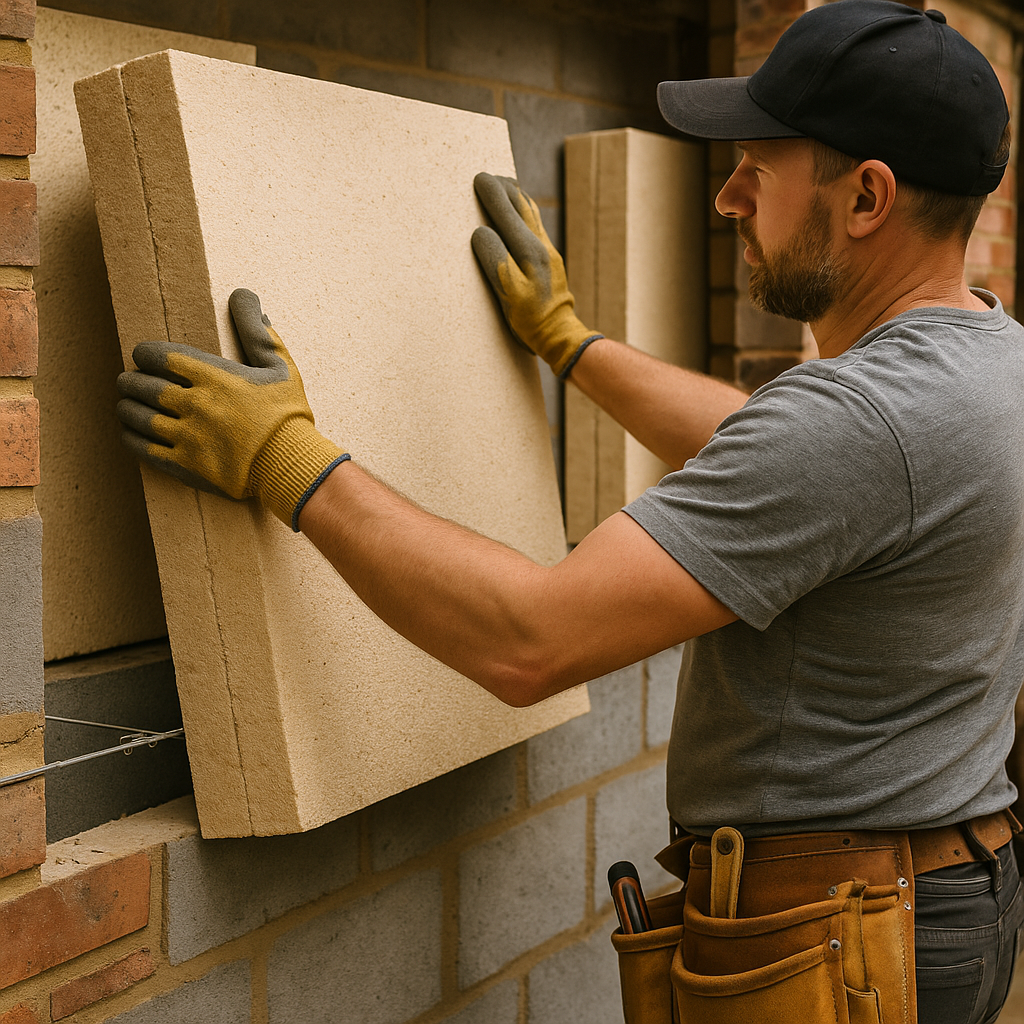
    Before spending money on new technology, it is worth addressing simple fabric measures. Adding cavity or internal wall insulation where suitable, improving roof insulation, sealing obvious draughts and upgrading old windows can dramatically cut heat demand. These changes make rooms more comfortable, reduce condensation and help your future heat pump work at its most efficient settings.

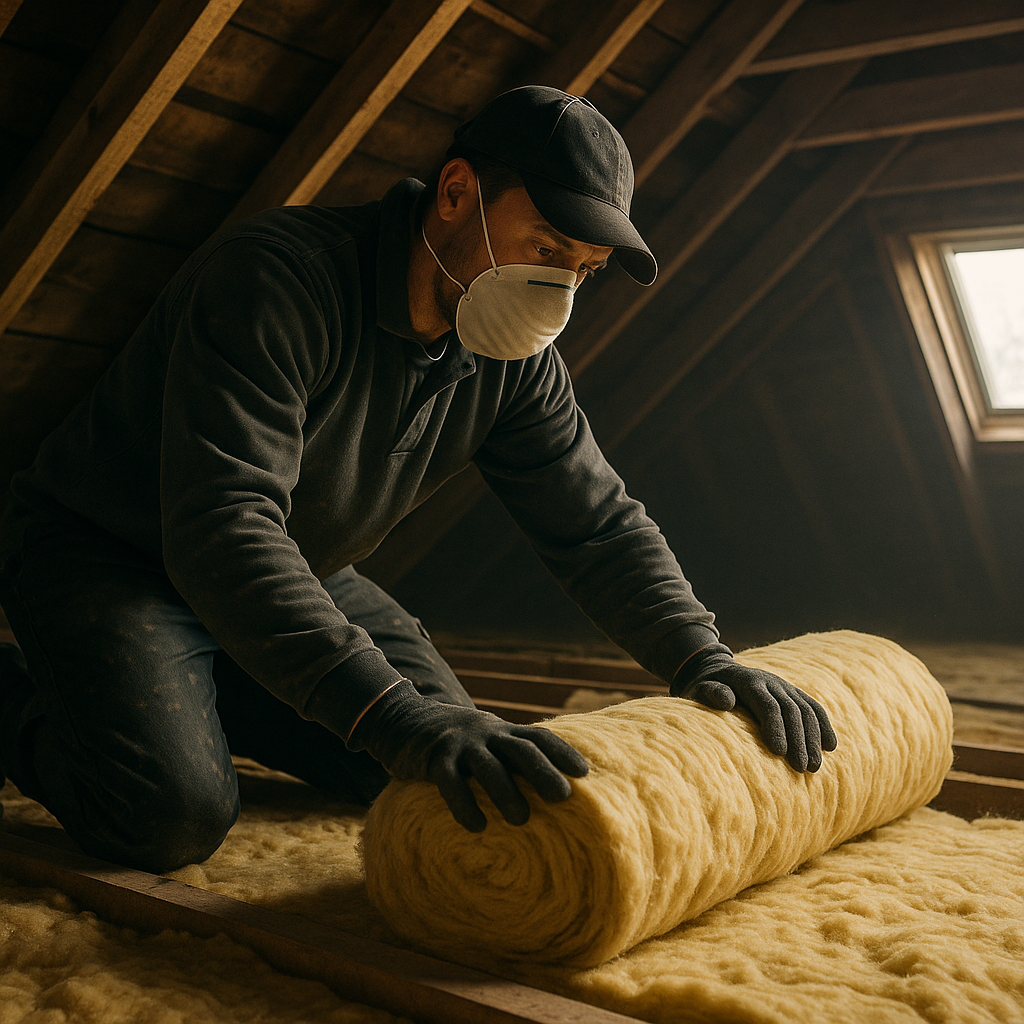
    In many properties, the roof space is the easiest starting point. A well insulated attic reduces heat escaping through the top of the house, which is crucial for low temperature heating systems. If you are planning a full retrofit, a specialist contractor can advise on options such as internal wall insulation, underfloor insulation and improved airtightness around floors and skirting boards.

    Adapting radiators and emitters for lower temperatures

    Because heat pumps run at lower flow temperatures, they usually need larger heat emitters than a boiler system. Part of preparing an older home for heat pump installation is reviewing your existing radiators and deciding where changes are needed.

    In some rooms, simply swapping to a larger or more efficient radiator is enough. In others, especially open plan spaces or north facing rooms, you may consider fan-assisted radiators or even underfloor heating as part of a renovation. The goal is to deliver the same comfort at a lower water temperature, which boosts the efficiency of the heat pump and keeps running costs down.

    Choosing the right heat pump and installer

    Once the building fabric and emitters are understood, you can look at the type of system that suits your home. Options include air source units, ground source systems for properties with outside space, or hybrid arrangements that retain a boiler for extreme cold snaps. A good installer will size the system based on the improved heat loss figures, not on rough rules of thumb.

    Ask potential installers about their experience with older properties, how they calculate heat loss, and how they plan to integrate hot water storage. It is also worth checking what grants or local schemes are available to help fund both the fabric upgrades and the new system.

    Installer improving roof insulation as part of preparing an older home for heat pump installation.
    Modern air source unit beside a retrofitted property after preparing an older home for heat pump installation.

    Preparing an older home for heat pump installation FAQs

    Is my house too old for a heat pump?

    Very few homes are genuinely too old for a heat pump, but some need more preparation than others. Solid wall properties, listed buildings and homes with single glazing can all work with low carbon heating as long as heat loss is reduced first. That usually means improving roof insulation, tackling draughts and upgrading windows where permitted. A detailed heat loss survey by an experienced installer is the best way to understand what your specific property needs.

    Do I need to replace all my radiators for a heat pump?

    Not always. Some radiators will already be large enough to deliver the required heat at lower temperatures, especially in smaller or well insulated rooms. However, in bigger or colder spaces you may need to fit larger radiators or consider alternatives like underfloor heating. A proper room-by-room calculation will show which emitters can stay and which should be upgraded.

    What grants are available to help with low carbon heating?

    Support varies by nation and local authority, but many areas offer schemes to help with low carbon heating and insulation. These can include boiler upgrade grants, funding for wall and roof improvements, and targeted support for lower income households. It is worth checking government websites and speaking to accredited installers, who are often familiar with current funding and eligibility criteria.

    loft insulation

  • DIY Blinds: A Tempting Task or a Tricky Tightrope?

    DIY Blinds: A Tempting Task or a Tricky Tightrope?

    Saving money and achieving a sense of accomplishment are powerful motivators when it comes to home DIY. In regards to fitting DIY blinds, many homeowners are tempted to take the plunge themselves. While it might seem like a simple task, there are both advantages and disadvantages to consider. Vesta Blinds is here to shed light on this decision, helping you make the best choice for your home.

    DIY Blinds

    The Appeal of DIY Blinds: Pros of Installing Your Own Blinds

    • Cost Savings: The most significant draw of DIY installation is the potential to save on labor costs. By forgoing professional installation fees, you can potentially put that money towards other home improvements or simply keep it in your pocket.
    • Flexibility and Convenience: Installing blinds yourself allows you to work at your own pace and schedule. You’re not reliant on booking appointments or waiting for a professional to become available.
    • Sense of Accomplishment: Completing a DIY project can provide a satisfying sense of accomplishment. Successfully installing your blinds can boost your confidence and add a personal touch to your home.

    The Pitfalls of DIY Blinds: Cons of Installing Your Own Blinds

    • Measurement Errors: Accurate measurements are crucial for a perfect fit. Even a small error can result in blinds that are too short, too wide, or uneven. This can lead to unsightly gaps, reduced light control, and wasted materials.
    • Installation Challenges: Drilling into various wall materials, ensuring proper alignment, and handling delicate mechanisms can be challenging for those without experience. Incorrect installation can damage your walls, windows, or the blinds themselves.
    • Time and Effort: DIY blinds installation can be time-consuming, especially if you’re unfamiliar with the process. You may need to invest in specialised tools and spend hours troubleshooting issues.
    • Voiding Warranties: In some cases, attempting DIY installation may void the warranty on your blinds. Professional installation ensures that your blinds are fitted according to the manufacturer’s specifications, preserving your warranty.
    • Safety Risks: Working at heights, drilling into unknown wall structures, and handling sharp tools can pose safety risks. Professional installers have the experience and equipment to minimise these risks.
    • Aesthetics: A professional installer will have an eye for detail, and make sure that the blinds are hung perfectly level, and that the finish is of a high standard. A DIY install can often look like a DIY install.

    Why Professional Installation is Worth It

    As DIY professionals, we understand the importance of a perfect fit and a flawless finish. That’s why we strongly recommend professional installation. Experienced installers have the expertise and tools to:

    • Ensure accurate measurements and a perfect fit.
    • Handle various window types and wall materials.
    • Install your blinds quickly and efficiently.
    • Guarantee a professional finish that enhances your home’s aesthetics.
    • Preserve your blinds’ warranty.
    • Give you peace of mind.

    Investing in professional installation from companies like Vestablinds.com allows you to enjoy the beauty and functionality of your new blinds without the stress and potential pitfalls of DIY installation. We take pride in delivering exceptional service and ensuring that your blinds are installed to the highest standards.

    Our Verdict

    While DIY blinds installation might seem appealing, the potential risks and challenges often outweigh the benefits. For a stress-free experience and a perfect finish, contact Vestablinds.com today. Let our professionals handle the installation, so you can sit back and enjoy your beautiful new blinds.

  • Fabric First: The Foundation of a Truly Energy-Efficient Home

    Fabric First: The Foundation of a Truly Energy-Efficient Home

    The UK is striving towards a Net Zero future, and enhancing the energy efficiency of our homes is a critical component of this vision. As homeowners, we’re constantly being presented with information about how to improve energy performance, save energy etc but it can often feel overwhelming to know where to start. We champion the Fabric First approach, as advocated by the Mineral Wool Insulation Manufacturers’ Association (MIMA), as the most effective way to achieve a truly energy-efficient home.

    Fabric First

    Understanding the “Fabric First” Philosophy

    “Fabric First” prioritises enhancing the building envelope (the walls, roof, floor, and windows) before considering other upgrades like heating systems. This involves ensuring your home is adequately insulated and airtight, preventing heat loss and minimising energy waste.  

    The Many Benefits of Choosing “Fabric First”

    1. Significant Reduction in Energy Bills: By minimising heat loss, you’ll significantly decrease the energy required to maintain a warm and comfortable home, resulting in lower energy bills.  
    2. Enhanced Comfort: Proper insulation and air sealing eliminate drafts and cold spots, creating a more consistent and comfortable living environment.  
    3. Improved Health: A well-insulated home reduces condensation and dampness, which can contribute to mold growth and respiratory problems.  
    4. Optimised Heat Pump Performance: If you’re considering a heat pump, a “Fabric First” approach is essential. A well-insulated home reduces the heating load, allowing a smaller, more efficient heat pump to effectively heat your space. This can lead to lower upfront costs and reduced energy consumption.  
    5. Reduced Carbon Footprint: By using less energy, you’ll be reducing your home’s carbon footprint and contributing to a cleaner environment.  

    Why “Fabric First” is Crucial in the UK’s Net Zero Journey

    The UK has made progress in raising the energy performance of homes, but substantial upgrades are still needed to achieve Net Zero. MIMA’s “Fabric First” approach addresses systemic issues like the lack of routine checks for actual home energy performance, policies assuming perfect performance, and fragmented frameworks for insulation and heat pump delivery.  

    By prioritising fabric improvements, we can ensure that energy efficiency upgrades deliver the promised benefits, reduce pressure on the electricity grid, and support a reliable transition to clean heat.  

    How Westville Insulation Can Guide Your Energy-Efficient Home Transformation

    Westville Insulation are experts in helping homeowners implement the “Fabric First” approach. They offer a range of insulation solutions tailored to your home’s specific needs, ensuring optimal energy performance and comfort. Their team of experienced installers will work with you to identify areas of heat loss and recommend the most effective insulation strategies.

    Take the first step towards a more energy-efficient and comfortable home. Contact Westville Insulation today for a free consultation and let us help you embrace the “Fabric First” approach.

  • Asbestos Surveys: What You Need to Know Before You Start a Renovation Project

    Asbestos Surveys: What You Need to Know Before You Start a Renovation Project

    Renovating your home or business premises? Exciting times! But before you start knocking down walls or ripping out old fixtures, there’s a crucial step you can’t afford to skip: an asbestos survey. Here in the UK, disturbing any asbestos-containing materials (ACMs) without proper precautions is not only dangerous but also illegal. This article explains why asbestos surveys are essential, what they involve, and what you need to know before you begin any renovation project.

    The Hidden Danger: Why Asbestos Surveys are Crucial

    Asbestos, once a widely used in construction materials, is a hazardous substance that can cause serious health problems, including lung cancer, mesothelioma, and asbestosis. These diseases can take decades to develop, making it crucial to identify and manage asbestos-containing materials before they are disturbed. Many older properties in the UK still contain asbestos, often hidden in places like:  

    • Insulation: Pipe lagging, loft insulation, and sprayed coatings.
    • Roofing Materials: Asbestos cement roof tiles and corrugated sheeting.  
    • Flooring: Vinyl floor tiles and their backing.  
    • Textured Coatings: Artex and similar decorative finishes.  
    • Ceiling Tiles: Some older ceiling tiles may contain asbestos.  
    • Boilers and Heating Systems: Asbestos was often used in insulation around these.  

    An asbestos survey is the only way to definitively identify the presence and location of ACMs in your property. Without a survey, you risk unknowingly exposing yourself, your family, or your workers to harmful asbestos fibres.  

    Types of Asbestos Surveys: What’s the Difference?

    There are two main types of asbestos surveys in the UK:

    • Management Survey: This survey aims to identify and assess the condition of asbestos-containing materials in a building. It’s designed to help manage asbestos during normal use and occupancy. This is the minimum requirement for most non-domestic properties.  
    • Refurbishment and Demolition Survey: This more comprehensive survey is required before any refurbishment or demolition work is carried out. It identifies all ACMs in the area to be worked on, allowing for their safe removal before the project begins. This survey is more intrusive and may involve destructive sampling.  

    What to Expect During an Asbestos Survey:

    A qualified asbestos surveyor will visit your property and conduct a thorough inspection. They will:  

    • Identify potential ACMs: Visual inspection and sampling (if necessary) will be carried out.  
    • Assess the condition of ACMs: The surveyor will evaluate the risk of fibre release based on the material’s condition.  
    • Take samples: Where necessary, samples of suspected ACMs will be taken and sent to a UKAS-accredited laboratory for analysis.  
    • Produce a detailed report: The report will detail the location, type, and condition of any identified ACMs, along with recommendations for management or removal.  
    Asbestos Surveys

    Choosing the Right Asbestos Surveyor:

    It’s essential to choose a competent and qualified asbestos surveyor. Look for a company that is:

    • UKAS accredited: This ensures the surveyor meets the required standards of competence.  
    • Experienced: Choose a company with a proven track record in asbestos surveying.
    • Impartial: The surveyor should not be affiliated with an asbestos removal company, to avoid any conflict of interest.

    Before You Start Your Renovation:

    • Get an asbestos survey: This is a legal requirement before starting any significant renovation or demolition work.  
    • Review the survey report carefully: Understand the location and condition of any ACMs.
    • Engage a licensed asbestos removal contractor: If ACMs are present, they must be removed by a trained and licensed professional before any other work can begin. Never attempt to remove asbestos yourself.

    Don’t gamble with your health. An asbestos survey is a small investment that can protect you, your family, and your workers from the devastating effects of asbestos exposure. Contact Asbestos Compliance Solutions Ltd today for expert asbestos surveying and management services.