

Walk into any builders’ merchant and you’ll find an entire aisle dedicated to tubes, cartridges, and tubs of adhesives and sealants. It’s a lot to take in, and grabbing the wrong product can cost you time, money, and more than a little frustration on site. Choosing the right construction adhesives and sealants for the job isn’t just about what sticks to what. It’s about understanding environmental conditions, substrate compatibility, cure times, and load-bearing requirements before you even crack a tube open.
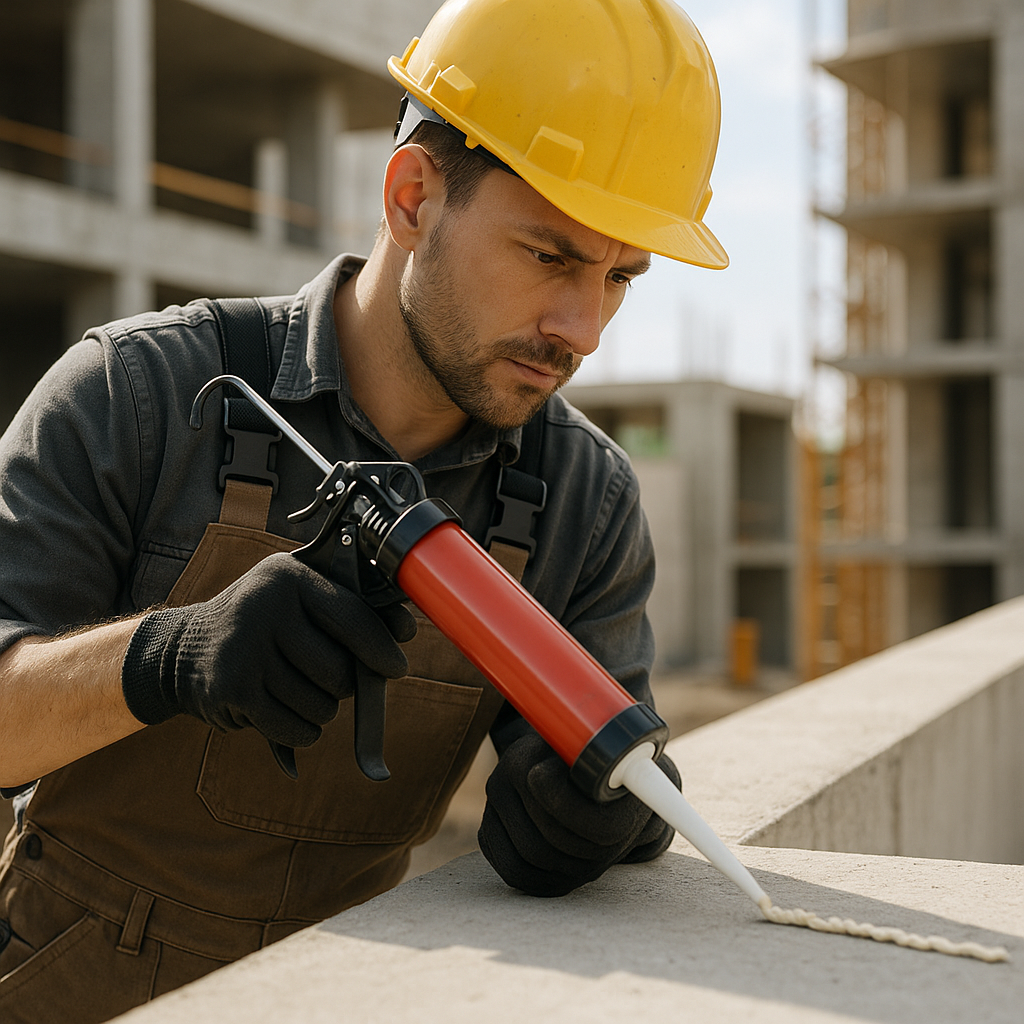
This guide cuts through the noise. Whether you’re a seasoned sparky, a plumber working with wet environments, or a general builder dealing with mixed materials every day, knowing your products makes a real difference to the quality and longevity of your work.
Know Your Substrates First
Before anything else, think about what you’re bonding or sealing. The substrate, meaning the surface material, dictates everything. Concrete, timber, metal, glass, UPVC, and plasterboard all behave differently. Some are porous, some aren’t. Some expand and contract with temperature. Some have surface treatments like paint or galvanising that interfere with adhesion.
Porous surfaces like brick and timber generally bond well with solvent-based or polyurethane adhesives. Non-porous materials such as glass or powder-coated metal often need specialist adhesives, sometimes silicone-based or MS polymer products, to get a reliable grip. Always check the manufacturer’s data sheet before committing to a product. It’ll tell you exactly what substrates the adhesive or sealant is approved for, and that information is there for a reason.
Construction Adhesives: Which Type Does What
There are several main families of construction adhesive you’ll encounter regularly on site. Each has its strengths and its limitations.
PVA adhesives are workhorses for interior timber and porous materials. They’re cheap, easy to use, and clean up with water. But they’re not waterproof unless specified, so keep them indoors. Epoxy adhesives come in two parts and create an exceptionally strong, rigid bond. They’re ideal for structural repairs, anchoring bolts, and bonding dissimilar materials. The trade-off is working time; once mixed, you’ve got a limited window. Polyurethane adhesives are flexible once cured, which makes them excellent for materials that move, including timber floors and sandwich panels. They also work on damp surfaces, which gives them an edge in certain site conditions.
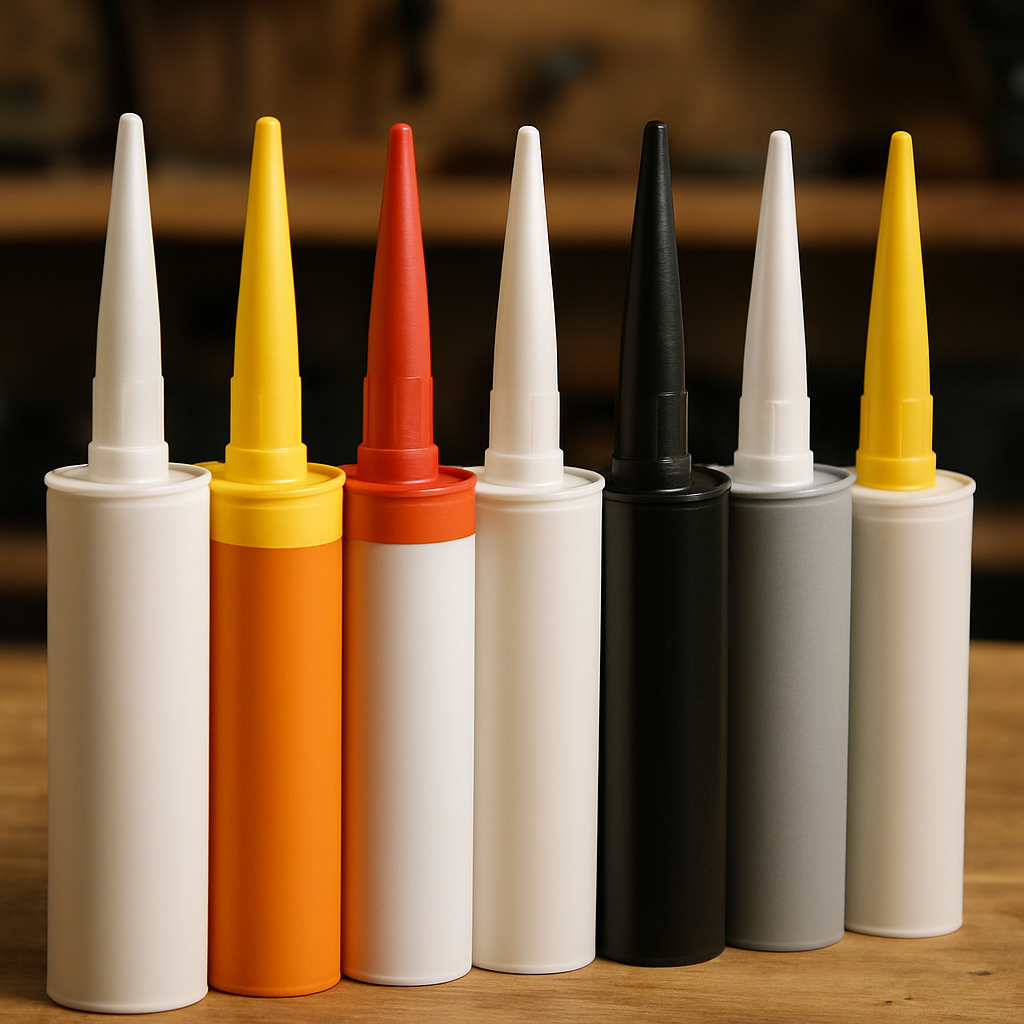
MS polymer adhesives, sometimes called hybrid adhesives, have become increasingly popular over the past decade. They combine adhesive and sealant properties, bond to almost anything without priming, and remain flexible after curing. Many tradesmen now keep a cartridge of MS polymer on the van as a general-purpose solution. They’re solvent-free, paintable, and suitable for interior and exterior use. If you’re after one product that bridges multiple applications, MS polymer is worth serious consideration.
Sealants: More Than Just Gap-Filling
Sealants are often treated as an afterthought, something to tidy up the edges once the main work is done. That attitude leads to failures. A sealant joint is a moving joint. It expands and contracts with temperature and structural movement. Get the product wrong and you’ll see cracking, delamination, or water ingress within months.
Silicone sealants remain the standard for wet areas. Bathrooms, kitchens, and anywhere water is present regularly benefit from silicone’s waterproofing properties and long-term flexibility. Sanitary-grade silicones also include antifungal additives to resist mould growth. Acrylic sealants are paintable and easy to tool, making them the go-to for interior gaps around skirting boards, architraves, and coving. They’re not suited to wet areas, though. Use them where paint will go over the top.
Fire-rated sealants are non-negotiable in certain applications. Around pipes and cables passing through fire compartment walls or floors, you need an intumescent or fire-resistant sealant that’s been tested and certified. This isn’t a corner to cut. Check building regulations and your specification before choosing any sealant for penetrations in fire-resisting construction.
Environmental Conditions and Cure Times
Temperature and humidity affect both adhesives and sealants during application and curing. Most products are designed to be applied between 5°C and 35°C. Working outside those limits can cause poor adhesion, extended cure times, or complete failure. In cold weather, bring cartridges into a heated van before use as cold product becomes thick and difficult to apply evenly.
Cure time matters on a working site. Some adhesives allow you to stress the joint within minutes. Others need 24 hours or more before load can be applied. Plan around this. Rushing a joint before it’s fully cured is one of the most common causes of adhesive failure on site.
Surface Preparation: The Step Most People Skip
No adhesive or sealant performs well on a dirty, dusty, or oily surface. Proper preparation is the single biggest factor in joint longevity. Clean substrates with a suitable solvent or cleaner, remove loose material, and ensure surfaces are dry unless the product specifically states it bonds to damp substrates. For smoother non-porous materials, light abrasion can help mechanical adhesion. Primer is sometimes required, particularly for certain plastics or metals, so check the data sheet.
Choosing the Right Construction Adhesives and Sealants for the Job in Practice
Choosing the right construction adhesives and sealants for the job really comes down to a straightforward checklist. What are the substrates? Is the joint structural or aesthetic? Will it be exposed to moisture, heat, or movement? Does it need to be painted? Does it need to comply with fire regulations? Answer those questions and you’ll narrow the field considerably. Most trade suppliers stock a focused range of products that cover the majority of applications; you don’t need to know every adhesive on the market, just the right ones for your trade and the jobs you take on regularly.
Invest a bit of time reading product data sheets and you’ll find that choosing the right construction adhesives and sealants for the job becomes second nature. The difference between a joint that lasts and one that fails is usually down to that bit of preparation and product knowledge beforehand.
Frequently Asked Questions
What is the difference between an adhesive and a sealant?
An adhesive is primarily designed to bond two surfaces together and carry a load. A sealant is designed to fill gaps and joints, providing a flexible, weatherproof barrier. Some MS polymer products combine both properties, acting as an adhesive sealant in a single application.
Can I use silicone adhesive on wood?
Standard silicone doesn’t bond well to timber because it can’t penetrate the porous surface effectively. For timber, a polyurethane, PVA, or MS polymer adhesive will provide a much stronger and more reliable bond. Always check the product data sheet for substrate compatibility.
How long should construction adhesive be left before applying load?
This varies significantly between products. Some fast-cure adhesives can take load within 30 minutes, while others require 24 hours or more. Always refer to the manufacturer’s technical data sheet for recommended cure times, especially for structural applications.
Do I need a fire-rated sealant around pipes?
Yes, in most cases. Any pipe, cable, or duct passing through a fire-resisting wall or floor must be sealed with a fire-rated intumescent sealant to maintain the fire integrity of that compartment. This is a building regulation requirement and not something that can be substituted with a standard product.
What is MS polymer adhesive used for?
MS polymer, or modified silicone polymer, is a hybrid adhesive and sealant suitable for bonding and sealing a wide range of materials including timber, metal, concrete, glass, and most plastics. It’s solvent-free, paintable, flexible when cured, and works in both interior and exterior applications, making it a highly versatile choice on site.
Leave a Reply