

If you work with metal all day, you already know how fast kit moves on. One minute your gear feels bulletproof, the next you are losing time because it will not keep up. Figuring out how to future proof your workshop tooling is what separates the busy shops from the ones scraping by.
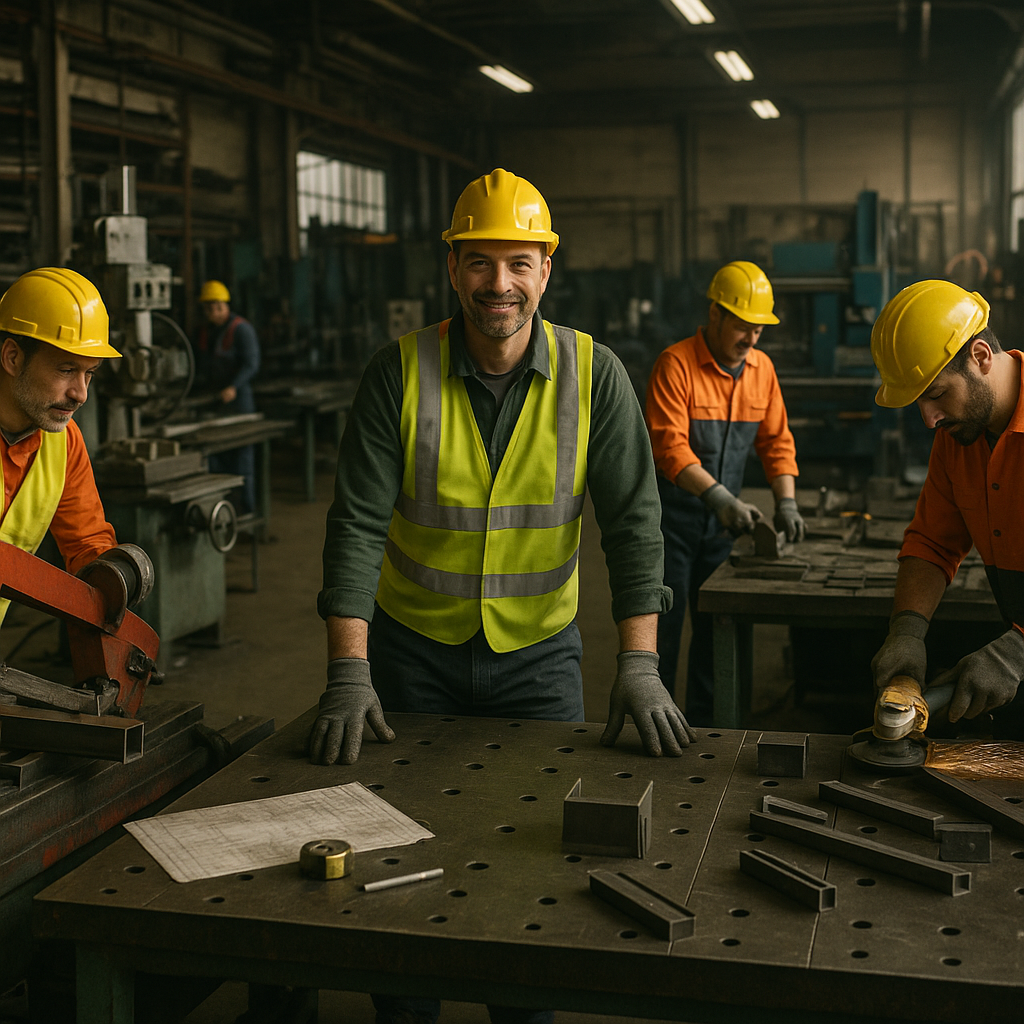
This is not about buying every shiny new machine. It is about making smart choices so your tooling still earns its keep in five or ten years, whatever jobs are coming through the door.
Start with the work, not the machines
Too many lads buy on impulse. A rep pops in, does a fancy demo, and suddenly there is a new unit on the floor that only gets used once a week. Before you spend, map out the work you actually do.
- What thicknesses and profiles are you cutting and forming most days?
- Are you mainly doing runs of repeat parts, or one-off specials?
- Do your tolerances really need to be super tight, or just clean and consistent?
- Where are the bottlenecks that slow the whole team down?
Once you have those answers, you can target the bits of tooling that genuinely need upgrading, instead of guessing. Often it is not the biggest machine that is the problem, it is the little prep and finishing jobs that eat hours.
Build flexibility into your fabrication kit
Work in this game changes fast. One month you are bashing out simple brackets, the next you are on architectural balustrades with fancy profiles. To future proof your workshop tooling, look for flexibility wherever you can get it.
- Choose machines that take standard tooling, so you can swap punches, blades or heads as work changes.
- Favour modular systems that can be extended with extra stations instead of buying a whole new unit.
- Invest in adjustable jigs and stops so set ups are quick, even on awkward sections.
Flexible kit means you can say yes to more jobs without ripping out half the workshop every time a new contract lands.
Automation that actually helps on the shop floor
Automation is not just for big factories. Even small fabrication shops can gain from simple automated features, as long as they are chosen with a bit of common sense.
Look for tooling and machinery with:
- Quick repeat-stop systems for consistent lengths and angles
- Digital readouts you can trust, so there is less measuring and re-measuring
- Foot pedals or two-hand controls that keep operators safe but productive
- Memory settings for common jobs so setups are not done from scratch every time
These are the sorts of features that quietly shave minutes off every part. Over a year, that is a massive difference to throughput without adding more bodies to the payroll.
Plan your layout like another tool
One of the cheapest ways to future proof your workshop tooling is to rethink the layout. If lads are walking laps of the shop to go from cut to prep to weld, you are burning time and energy for no reason.
Walk the route a piece of steel takes from delivery to despatch. Can you group machines into cells so most jobs flow in a straight line? Can you keep noisy or dirty processes together and away from finishing? A half day with a tape measure and some chalk lines can often save more time than a new machine.
Look after the kit you already own
There is nothing future proof about a machine that is never serviced. Regular maintenance is still one of the best investments you can make.
- Keep blades, punches and consumables sharp and correctly aligned.
- Log breakdowns and near misses so you spot patterns before something fails.
- Train new lads properly instead of letting them learn the hard way on your gear.
Well looked after machinery holds its value, runs truer and is easier to move on when you are ready to step up to something bigger.

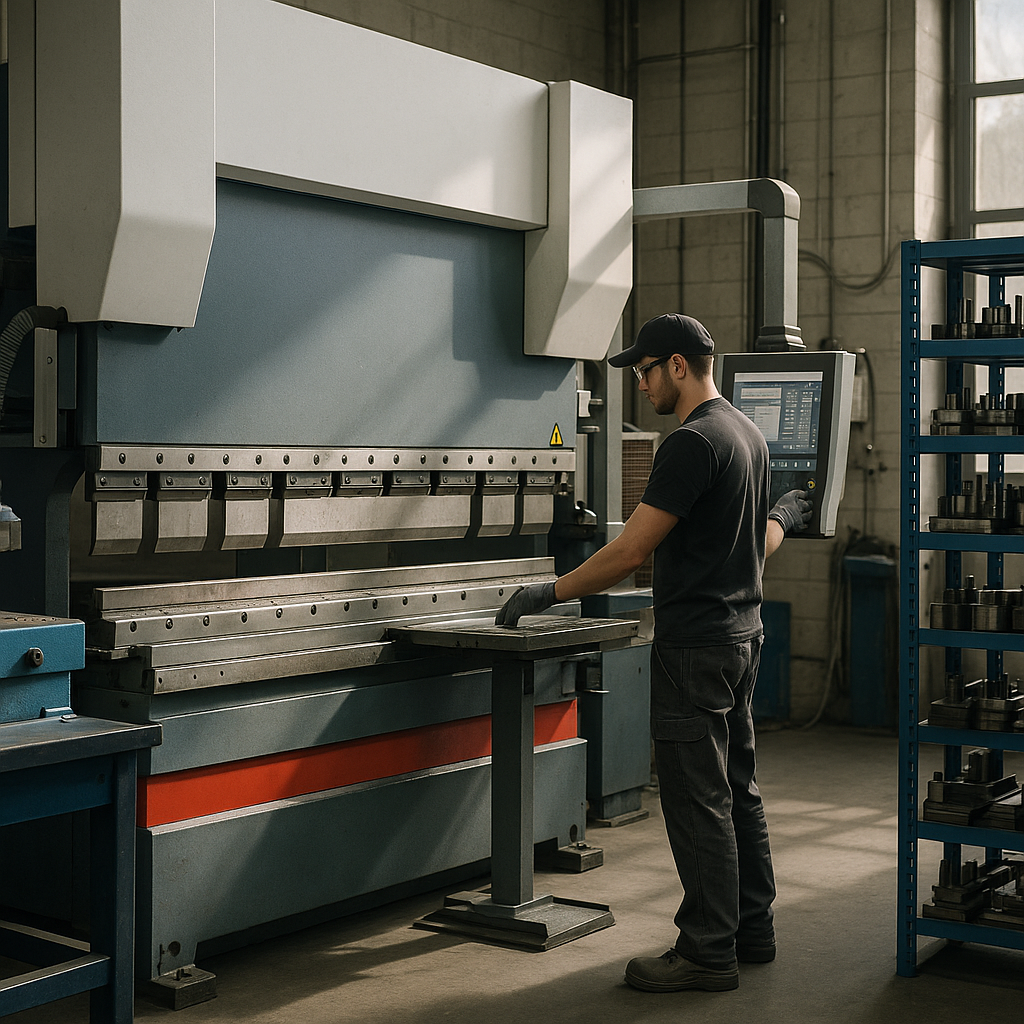
Future proof your workshop tooling FAQs
How often should I review my workshop tooling setup?
It is worth taking a hard look at your tooling and layout at least once a year, or any time your main type of work changes. Walk the process from raw material to finished product and note where parts pile up or operators wait around. Those are the areas that justify new kit, different jigs or a layout change. Smaller checks, like consumable condition and calibration, should be part of weekly or monthly routines.
Is it better to buy one big machine or several smaller ones?
It depends on the work you do. One larger, multi-purpose machine can save floor space and cover a lot of bases, but if it goes down, the whole shop can grind to a halt. Several smaller, focused machines spread the risk and can be arranged into work cells around different product lines. Many workshops end up with a mix: a solid central workhorse backed up by smaller units that handle specialist or repeat tasks.
How can small fabrication shops afford better tooling?
Start by targeting the worst time-wasters rather than trying to overhaul everything at once. Look at quality used machinery, which often offers serious value if it has been maintained. Leasing or finance can spread the cost of bigger purchases, and grouping orders with other local firms can help negotiate better prices on consumables. Above all, track the hours saved by each investment so you know which upgrades genuinely pay their way.
Leave a Reply