

If you are on the tools every day, you will have noticed more clients asking about green building materials. Eco this, sustainable that, and plenty of marketing fluff in between. The question is simple: which products actually make a difference, and which ones just make the spec sheet look pretty?
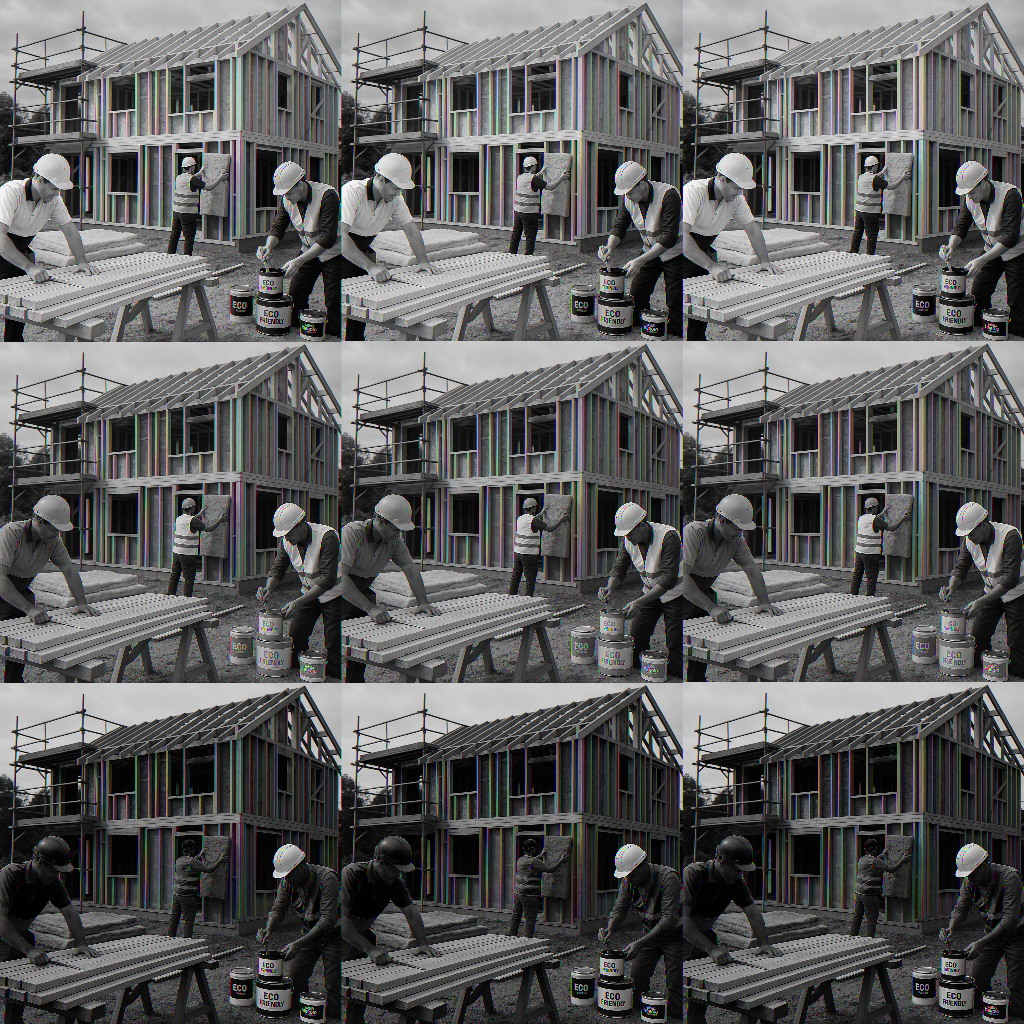
What do we mean by green building materials?
Before you can price or recommend anything, it helps to know what people are really asking for. When clients talk about green building materials, they usually mean one or more of the following:
- Lower impact on the environment during manufacture or transport
- Healthier to live with in the finished building
- Better energy performance or durability over the long term
- Less waste heading to skip and landfill
On site, that translates into different choices for paint, timber, aggregates, insulation, plasters and concrete mixes. Some are a straightforward swap, others need a bit more skill and planning.
Low VOC paints: worth the switch?
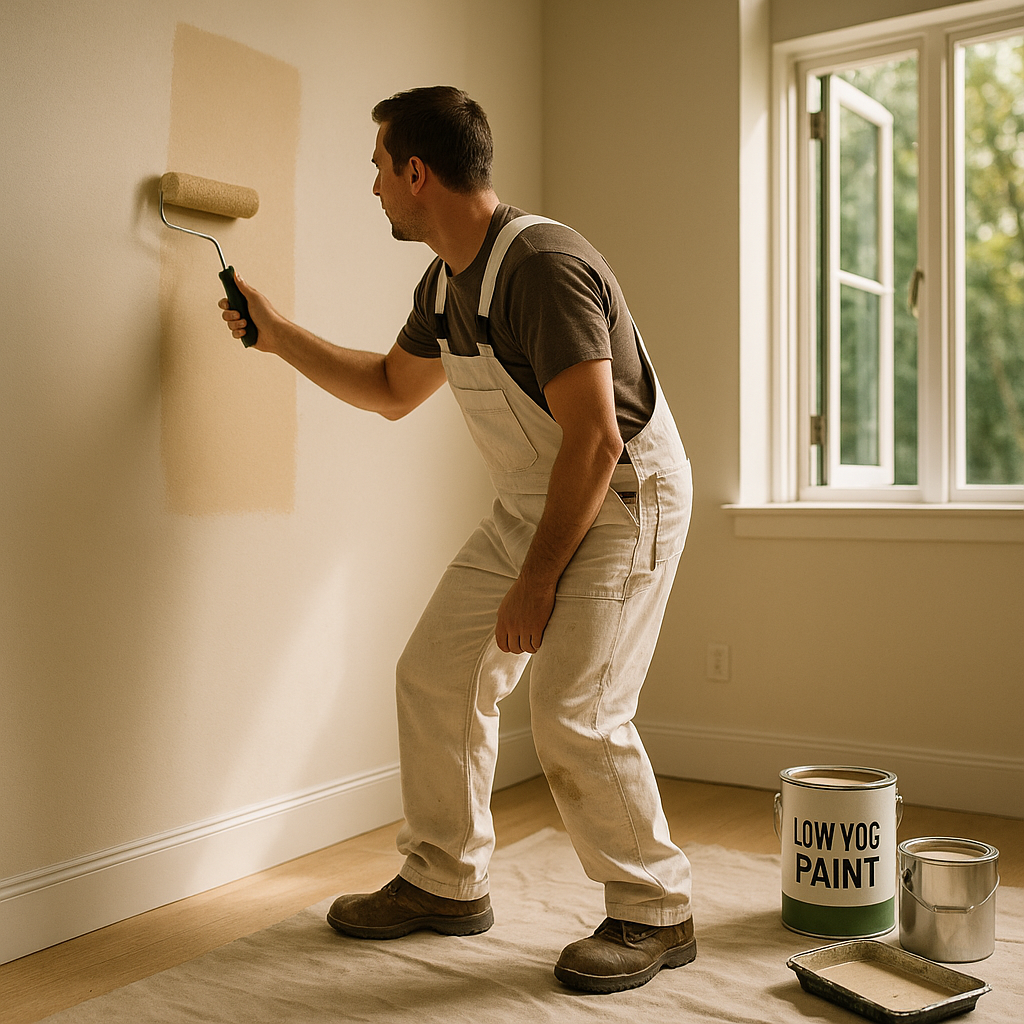
Low VOC paints are one of the easiest green swaps you can make. VOCs are the solvents that give off that heavy paint smell and can cause headaches, irritation and long cure times. Modern low VOC and water based paints have come a long way. The good ones now cover well, dry fast and are much nicer to work with in tight, poorly ventilated rooms.
The key is not to grab the cheapest tin with a green leaf on the label. Look for reputable trade brands with clear VOC ratings and check coverage figures. For most domestic and light commercial jobs, low VOC paints are a genuine improvement for both the client and the lads on site breathing it in all day.
FSC timber and responsible sourcing
Timber is often the first thing switched when clients ask for green building materials. FSC or similar certification means the timber has come from responsibly managed forests. On site, it cuts, fixes and finishes just like standard stock, so there is no change to your working methods.
The main differences are cost and availability. Some sizes and species might need a bit more lead time. For structural work and visible joinery, FSC timber is a solid, practical option that can be backed up with paperwork for architects and building control when they ask.
Recycled aggregates and hardcore
Recycled aggregates are becoming standard on many groundworks jobs. Crushed concrete and brick, properly graded and certified, performs well for sub bases, backfill and some structural layers. It keeps demolition waste out of landfill and reduces the amount of virgin stone being quarried.
What matters is quality control. Always check certificates, grading and any restrictions on use. For driveways, patios, footpaths and many slab bases, recycled aggregate is a simple, cost effective green choice. For heavily loaded structural work, follow the engineer’s spec and do not guess.
Natural insulation: where it makes sense
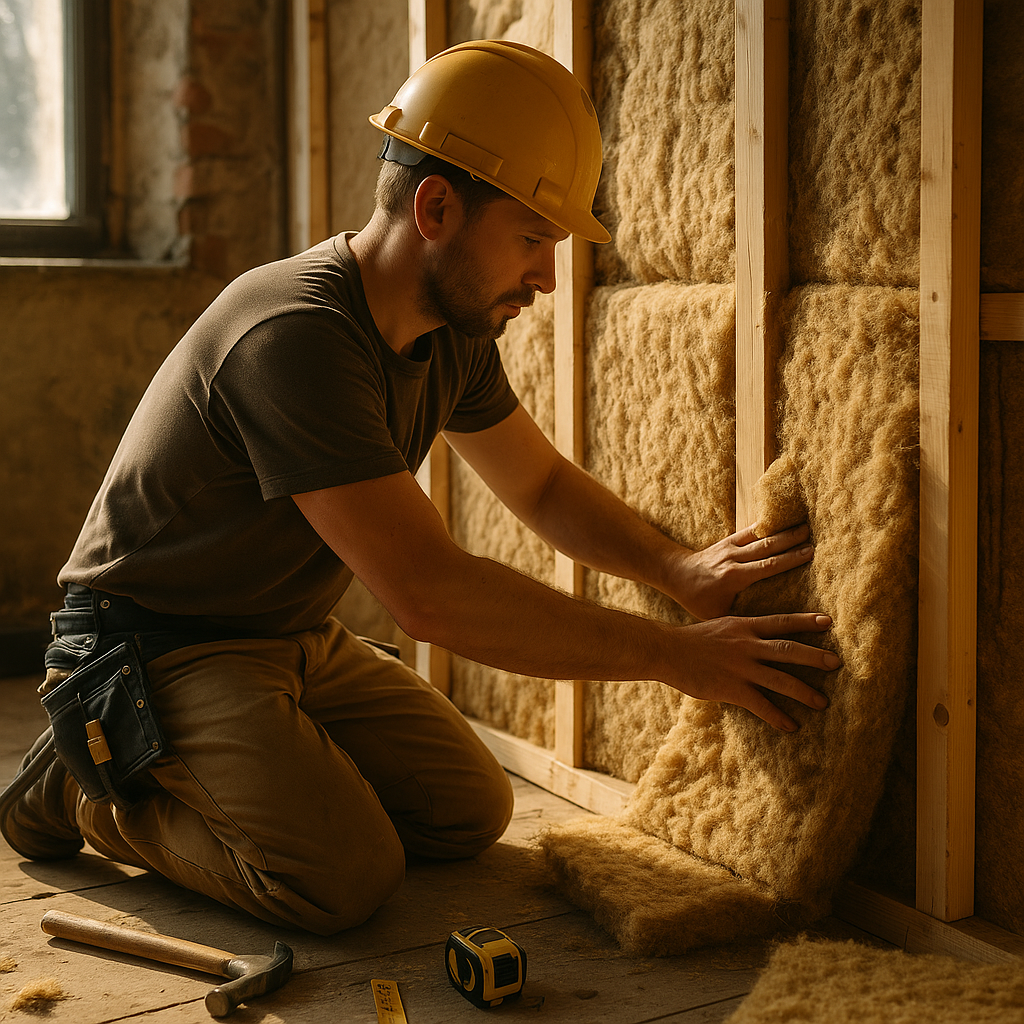
Natural insulation like sheep’s wool, wood fibre and cellulose is getting more popular, especially on older properties and high end refurbs. The big advantages are breathability, moisture management and comfort. These materials can help keep traditional walls dry and reduce condensation risk.
They are usually more expensive than mineral wool and can be bulkier for the same U value, so you need to plan your build-ups carefully. They shine in roofs, timber frame walls and internal insulation on solid walls where breathability is important. For basic loft top-ups where cost is king, standard mineral wool still does the job.
Lime plasters and breathable finishes
Lime plasters and renders are not new, but they are back in demand as part of the shift towards greener, more breathable systems. Lime allows moisture to move through walls, which is ideal for solid masonry and heritage work. It can help prevent damp problems that modern cement based products sometimes trap in.
The trade-off is that lime needs more skill and patience. It cures slower, can be more temperamental with temperature and humidity, and usually costs more in labour. When used in the right setting – old stone, brick or cob, or where a breathable build-up is designed – it is a genuinely better choice. On standard blockwork with cement based systems all around it, the benefits are limited.
Green building materials FAQs
Are green building materials always more expensive?
Not always. Some green building materials, like recycled aggregates or certain low VOC paints, can be cost neutral or even cheaper than traditional options. Others, such as natural insulation or lime plasters, usually cost more in both materials and labour. The trick is to match the product to the job: use the higher cost options where their benefits genuinely matter, and stick with proven standard materials where the gains would be minimal.
Do I need special training to use lime plasters and natural insulation?
You do not need formal qualifications, but some training or mentoring is strongly recommended before you take on full jobs with lime plasters or natural insulation systems. They handle differently to cement based products and standard fibreglass, with different curing times, fixings and detailing. Many manufacturers and suppliers offer short courses or on site support, which can save a lot of rework and callbacks later.
How can I explain green building options clearly to clients?
Keep it simple and practical. Explain what each option does for them: better indoor air, less damp risk, lower energy bills or a smaller environmental footprint. Use clear examples, such as swapping to low VOC paint in bedrooms or choosing FSC timber for visible joinery. Be honest about cost and any changes to programme, and back up your advice with product data sheets or supplier info so clients feel confident in the choices you are recommending.
Leave a Reply