

If you work on the tools all day, your body is your livelihood, so looking after joint health at work is just as important as keeping your kit in good nick. Knees, hips, shoulders and wrists take a hammering on site, but a few simple changes can keep you grafting for longer without the constant aches.

Why joint health at work matters for trades
Most trades rely on heavy lifting, awkward angles and repetitive movements. That might feel fine when you are younger, but over time it all adds up. Poor joint health at work can mean swollen knees from kneeling on concrete, stiff shoulders from overhead work, or painful wrists from using vibrating tools all day.
Once joints are damaged, they are hard to fix, and time off work hits your wallet as well as your body. Thinking about prevention now is like doing proper prep before a job – it takes a bit longer at the start, but it saves you headaches later.
On-site habits that wreck your joints
Every site has bad habits that quietly batter your joints. Common ones include:
- Lifting awkward loads on your own instead of asking for a hand or using a barrow
- Twisting while carrying boards, bags or tools
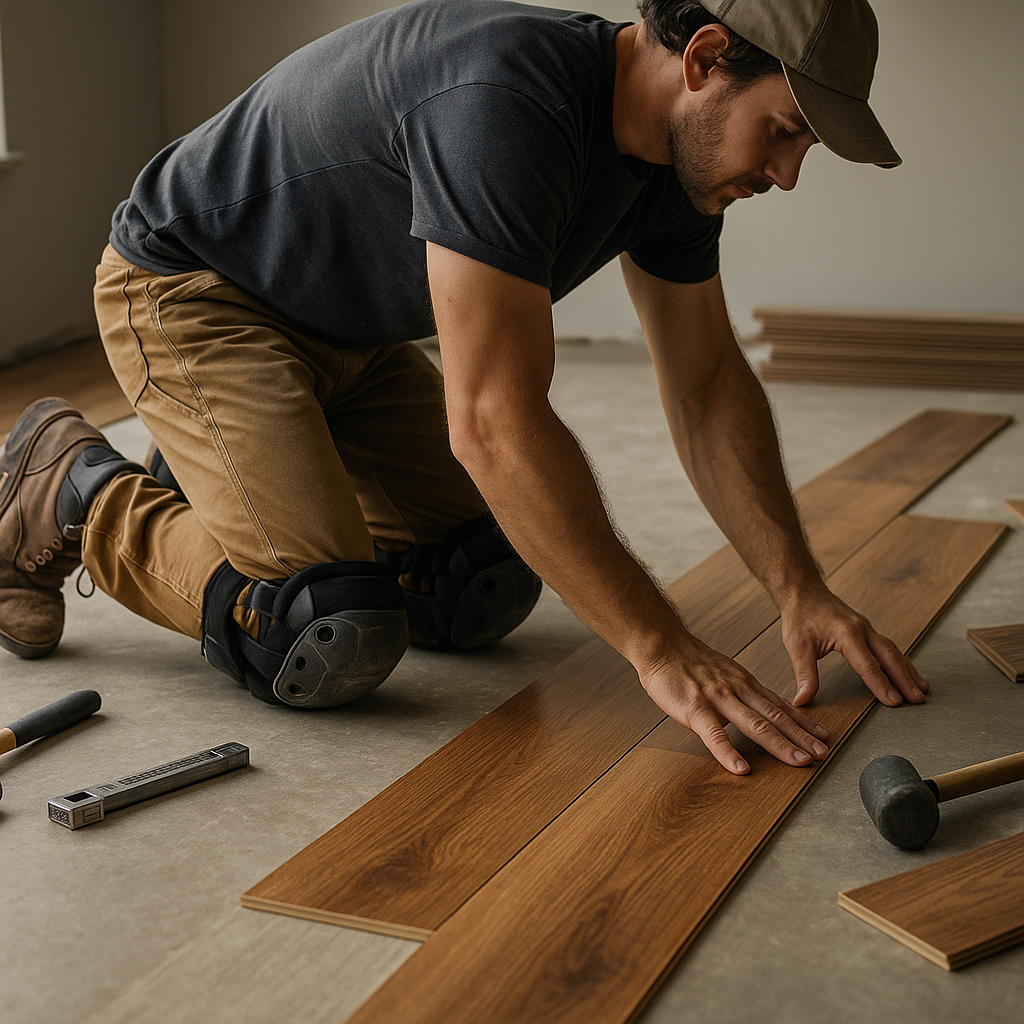
- Working on your knees all day with no pads or support
- Standing on hard floors for hours in worn-out boots
- Using vibrating tools without regular breaks
None of these feel like a big deal in the moment, but repeated day after day they grind down your joints, especially if you are doing long shifts to hit deadlines.
Simple ways to protect joint health at work
You do not need a fancy gym routine to look after yourself on site. Small tweaks to how you work make a big difference over a year.
Lift smarter, not just heavier
Plan lifts before you grab anything. Keep loads close to your body, bend your knees, and avoid twisting while you are holding weight. Use trolleys, barrows and lift-assist kit whenever you can. If something looks borderline, get a mate to help rather than trying to be a hero.
Look after your knees
Long spells on hard floors ruin knees. Always use decent knee pads or a kneeling mat, and switch between kneeling and standing jobs through the day. If you can, set up benches or trestles so you are not working at floor level for hours on end.
Choose the right boots
Good boots are vital for joint health at work. Cheap or worn-out soles pass every impact straight up into your ankles, knees and hips. Look for boots with proper cushioning, arch support and a snug fit. Replace them when the tread flattens or the insoles are tired, not when they are falling apart.
Use breaks for quick mobility, not just a brew
On breaks, a couple of minutes of movement does more for your joints than scrolling your phone. Simple ankle circles, shoulder rolls and gentle hamstring stretches keep everything moving and reduce stiffness. Think of it as greasing the hinges so they do not seize up by the end of the shift.
Fuel, hydration and recovery for tough shifts
What you put in your body matters for your joints too. Staying hydrated helps keep the cartilage in your joints cushioned, so keep a water bottle handy, not just energy drinks. Try to eat a mix of protein, healthy fats and slow-release carbs through the day instead of living off pasties and sweets.
Some tradespeople also look at supplements that support connective tissue and recovery. If you are considering anything like collagen or joint blends, speak to a health professional so you pick something that suits your body and any existing conditions.
Knowing when to ease off
There is a big difference between normal end-of-day tiredness and pain that keeps coming back. Sharp, stabbing or constant joint pain is a warning sign, not something to tough out forever. Ignoring it can turn a small issue into a long-term problem.

Joint health at work FAQs
How can I protect my knees when working on hard floors all day?
Use high quality knee pads or a kneeling mat whenever you are on the floor, and try to break up long kneeling jobs with tasks at bench height. Strengthening your leg muscles off-site with simple bodyweight squats and step-ups also helps support the joint, and replacing worn-out work trousers or pads regularly keeps the cushioning doing its job.
Are vibrating tools really that bad for joint health?
Regular use of vibrating tools can contribute to problems in the hands, wrists and elbows over time, especially if you are using them for long stretches without breaks. To reduce the risk, use tools with lower vibration ratings where possible, keep them well maintained, wear suitable gloves, and rotate tasks so you are not gripping a vibrating handle all day.
What signs mean I should see a professional about joint pain?
You should speak to a health professional if joint pain is sharp, wakes you at night, lasts more than a couple of weeks, or is joined by swelling, redness, locking or the joint giving way. Pain that stops you doing normal tasks, like climbing stairs or gripping tools, is also a red flag. Getting advice early often means simpler treatment and less time away from work.
Leave a Reply