

With energy prices unpredictable and climate targets getting stricter, many households are asking whether now is the time to switch to a low carbon heating system. For anyone living in a Victorian terrace, a 1930s semi or a post-war bungalow, preparing an older home for heat pump installation is one of the most important steps you can take to cut bills and future-proof your property.

Why older homes need extra thought before a heat pump
Heat pumps work best when a house holds on to warmth. They deliver lower flow temperatures than a traditional gas boiler, but do so very efficiently. In a modern, well insulated property that is perfect. In a draughty house with thin insulation and single glazing, the system can struggle, running harder and for longer to keep you comfortable.
That does not mean older homes are unsuitable. It simply means you need to look carefully at the building fabric first. Tackling leaks, cold spots and poor insulation often delivers bigger comfort gains than any heating upgrade on its own.
Start with a whole-house heat loss assessment
The first practical step in preparing an older home for heat pump installation is to understand how much heat your property actually loses. A professional heat loss calculation will look at:
- Wall construction and whether there is any cavity or internal insulation
- Roof and ceiling insulation levels
- Floor type and possible draughts from below
- Window and door performance, including air leakage
- Existing radiator sizes and pipework
This assessment guides both the size of heat pump you need and the upgrades that will give the best return. Oversizing the unit to compensate for a leaky building is expensive and inefficient, so improving the envelope is usually the smarter route.
Insulation and airtightness: the real game changers
Before spending money on new technology, it is worth addressing simple fabric measures. Adding cavity or internal wall insulation where suitable, improving roof insulation, sealing obvious draughts and upgrading old windows can dramatically cut heat demand. These changes make rooms more comfortable, reduce condensation and help your future heat pump work at its most efficient settings.
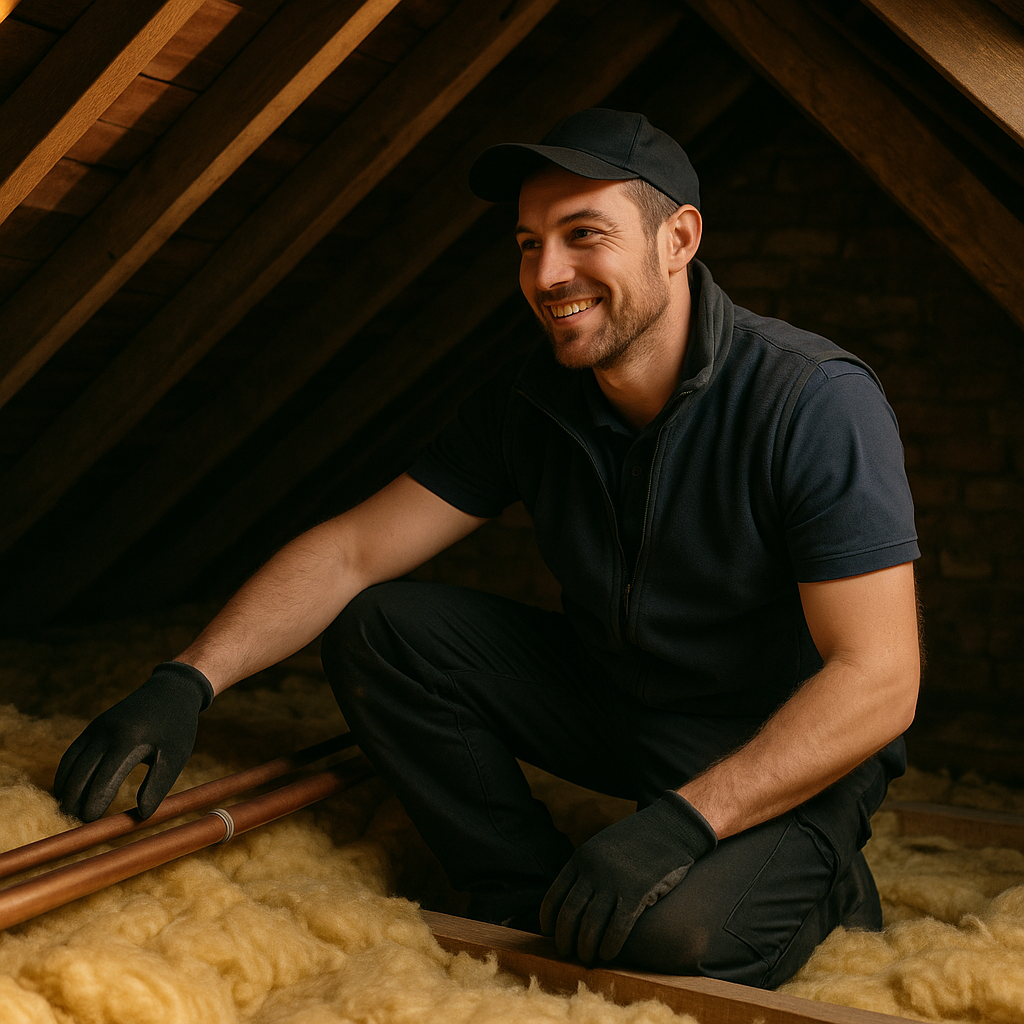
In many properties, the roof space is the easiest starting point. A well insulated attic reduces heat escaping through the top of the house, which is crucial for low temperature heating systems. If you are planning a full retrofit, a specialist contractor can advise on options such as internal wall insulation, underfloor insulation and improved airtightness around floors and skirting boards.
Adapting radiators and emitters for lower temperatures
Because heat pumps run at lower flow temperatures, they usually need larger heat emitters than a boiler system. Part of preparing an older home for heat pump installation is reviewing your existing radiators and deciding where changes are needed.
In some rooms, simply swapping to a larger or more efficient radiator is enough. In others, especially open plan spaces or north facing rooms, you may consider fan-assisted radiators or even underfloor heating as part of a renovation. The goal is to deliver the same comfort at a lower water temperature, which boosts the efficiency of the heat pump and keeps running costs down.
Choosing the right heat pump and installer
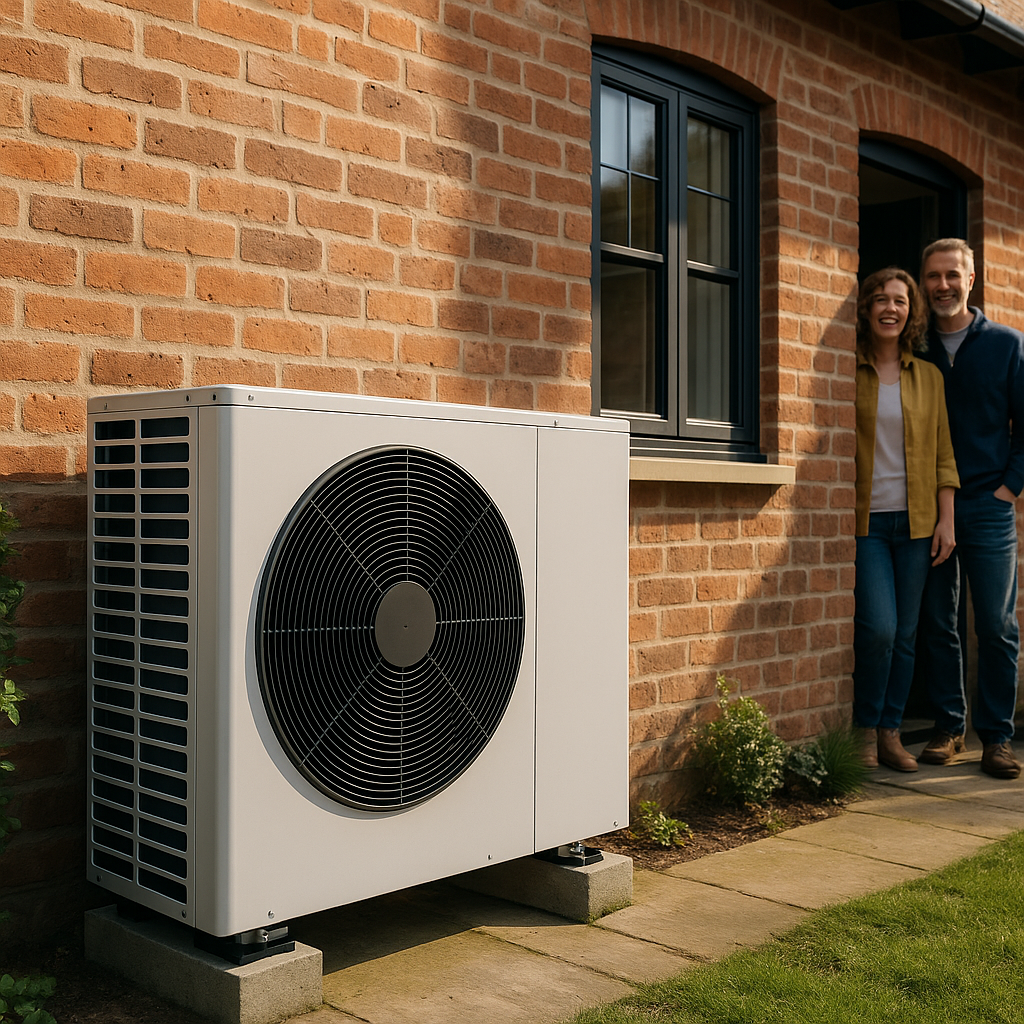
Once the building fabric and emitters are understood, you can look at the type of system that suits your home. Options include air source units, ground source systems for properties with outside space, or hybrid arrangements that retain a boiler for extreme cold snaps. A good installer will size the system based on the improved heat loss figures, not on rough rules of thumb.
Ask potential installers about their experience with older properties, how they calculate heat loss, and how they plan to integrate hot water storage. It is also worth checking what grants or local schemes are available to help fund both the fabric upgrades and the new system.
Preparing an older home for heat pump installation FAQs
Is my house too old for a heat pump?
Very few homes are genuinely too old for a heat pump, but some need more preparation than others. Solid wall properties, listed buildings and homes with single glazing can all work with low carbon heating as long as heat loss is reduced first. That usually means improving roof insulation, tackling draughts and upgrading windows where permitted. A detailed heat loss survey by an experienced installer is the best way to understand what your specific property needs.
Do I need to replace all my radiators for a heat pump?
Not always. Some radiators will already be large enough to deliver the required heat at lower temperatures, especially in smaller or well insulated rooms. However, in bigger or colder spaces you may need to fit larger radiators or consider alternatives like underfloor heating. A proper room-by-room calculation will show which emitters can stay and which should be upgraded.
What grants are available to help with low carbon heating?
Support varies by nation and local authority, but many areas offer schemes to help with low carbon heating and insulation. These can include boiler upgrade grants, funding for wall and roof improvements, and targeted support for lower income households. It is worth checking government websites and speaking to accredited installers, who are often familiar with current funding and eligibility criteria.
Leave a Reply