Walk into any builders’ merchant and the insulation aisle has got bigger every year. Clients are asking more questions, building regs are tightening, and the pressure to deliver genuinely energy-efficient homes has never been more real. If you’re going to recommend the right product confidently, you need to know the actual differences between what’s on the shelf. This guide breaks down the best insulation materials UK tradesmen are specifying right now, covering thermal performance, installed cost, and the jobs each product is actually suited for.
Why Insulation Choices Matter More Than Ever in 2026
The UK Building Regulations have progressively tightened U-value targets for walls, roofs, and floors over the past decade, and 2026 is no different. Part L compliance now demands that new-build fabric performance is taken seriously from the design stage, not bolted on at the end. For retrofit work, the Minimum Energy Efficiency Standards (MEES) continue to push landlords toward meaningful upgrades. That means tradesmen who understand their materials are winning more work, fielding fewer callbacks, and protecting their reputation on every job.
Mineral Wool: The Old Faithful That Still Earns Its Keep
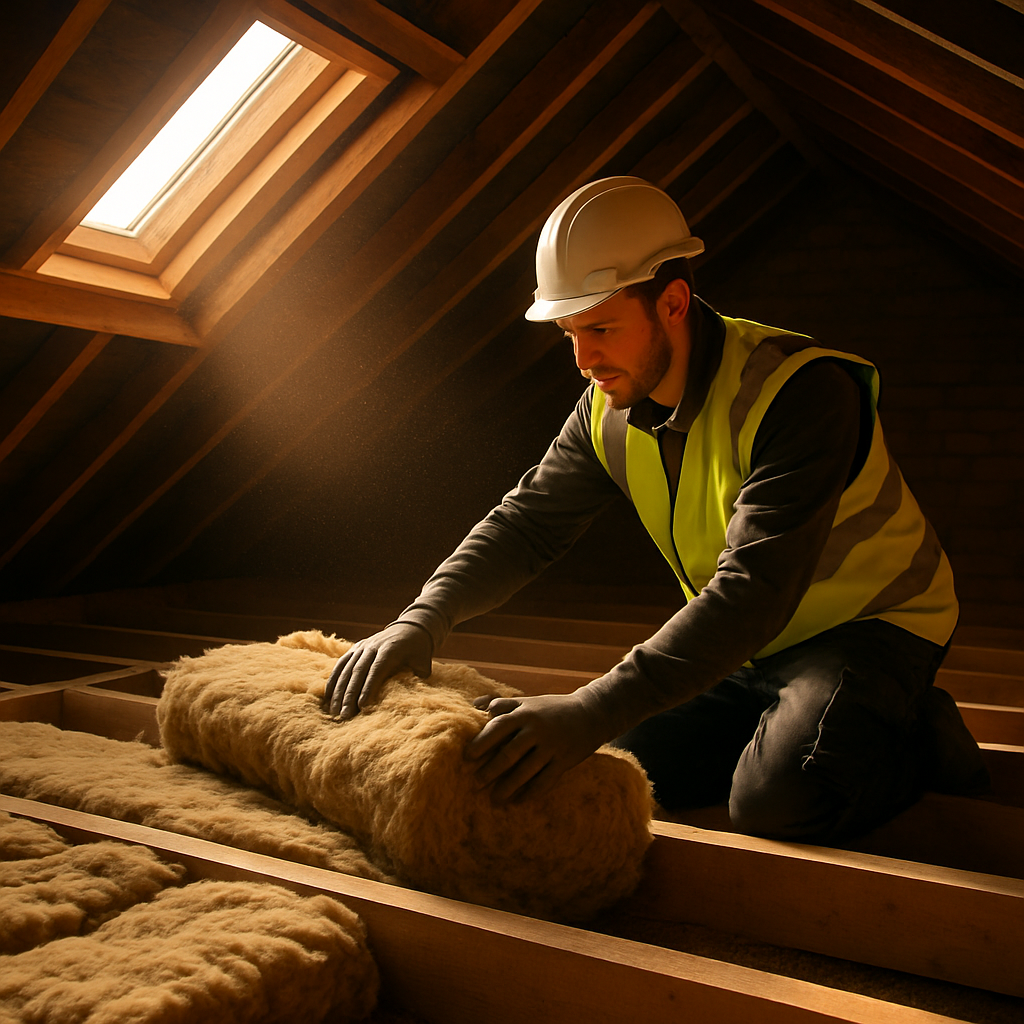
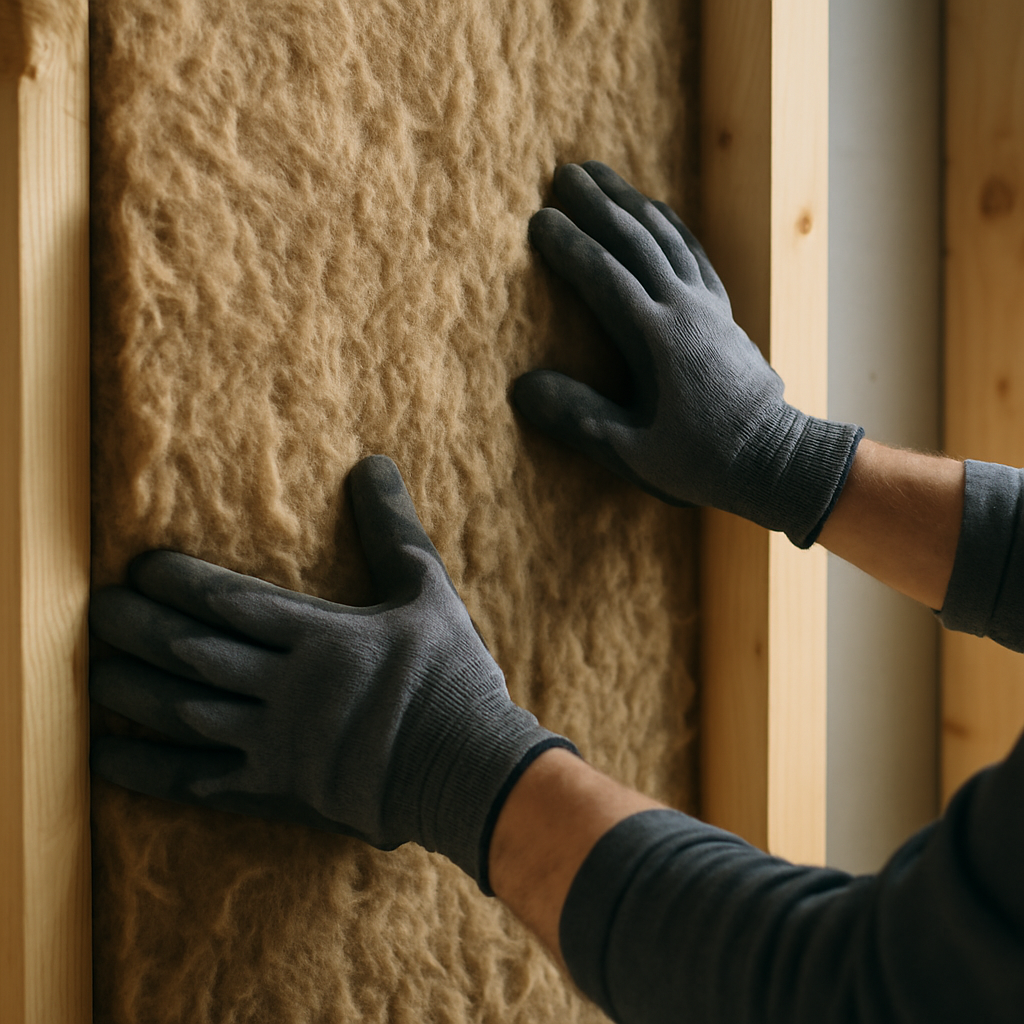
Mineral wool, which covers both glass wool and rock wool (stone wool) products, remains one of the most widely used insulation materials in UK residential work. It’s vapour-permeable, fire-resistant, and reasonably priced. Knauf, Rockwool, and Isover are the dominant brands you’ll see stacked in most merchants.
Thermally, a 100mm slab of standard glass wool carries a lambda value around 0.033 to 0.038 W/mK, which is perfectly decent for loft, partition, and floor applications. Rock wool is slightly denser and performs better in acoustic applications, making it a strong call for party walls or mid-floor installations in flats. It handles moisture better than glass wool and can take more physical punishment during fitting.
The main limitation? It takes up more space to hit the same U-value as a rigid product. If you’re working in a tight cavity or a shallow rafter void, you’ll need to look elsewhere. Fitting is straightforward enough that most tradies can handle it without specialist kit, which keeps labour costs manageable.
Rigid Foam Boards: Where Space Is Tight
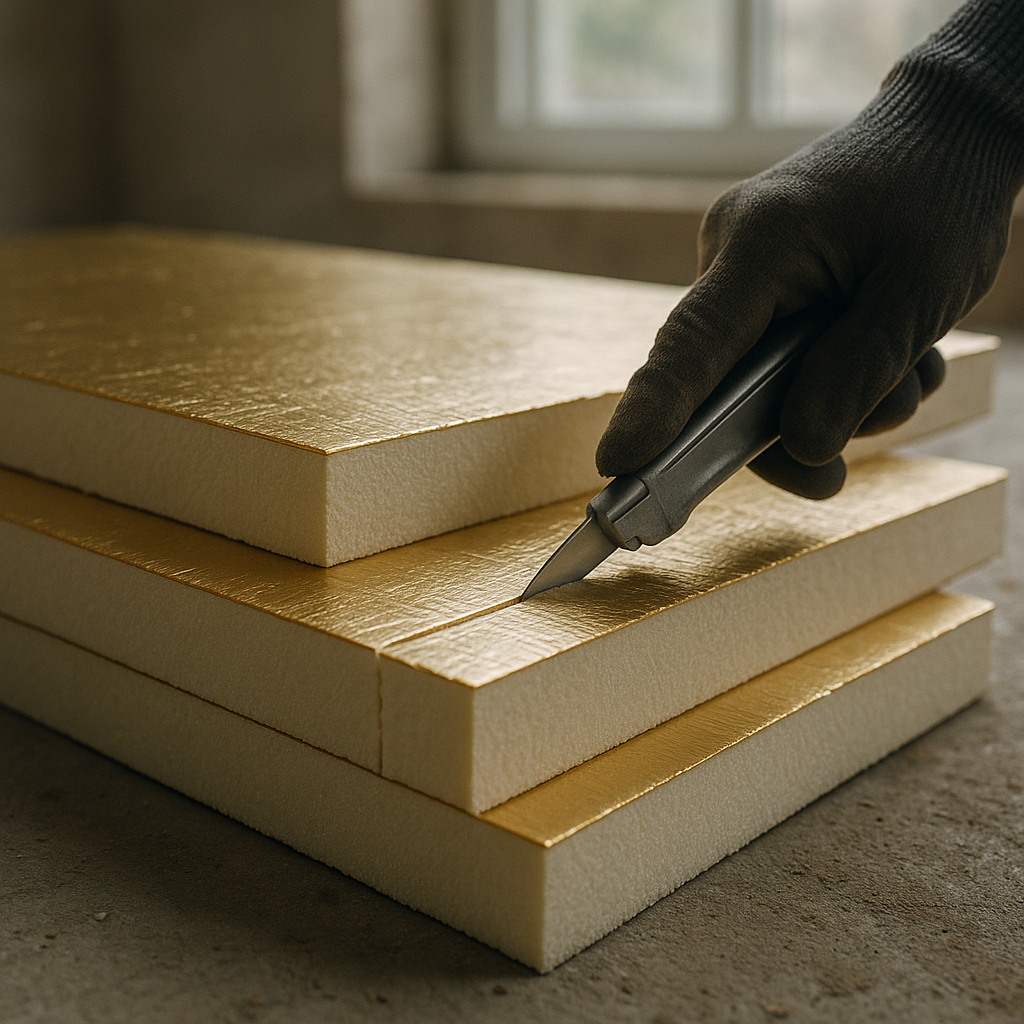
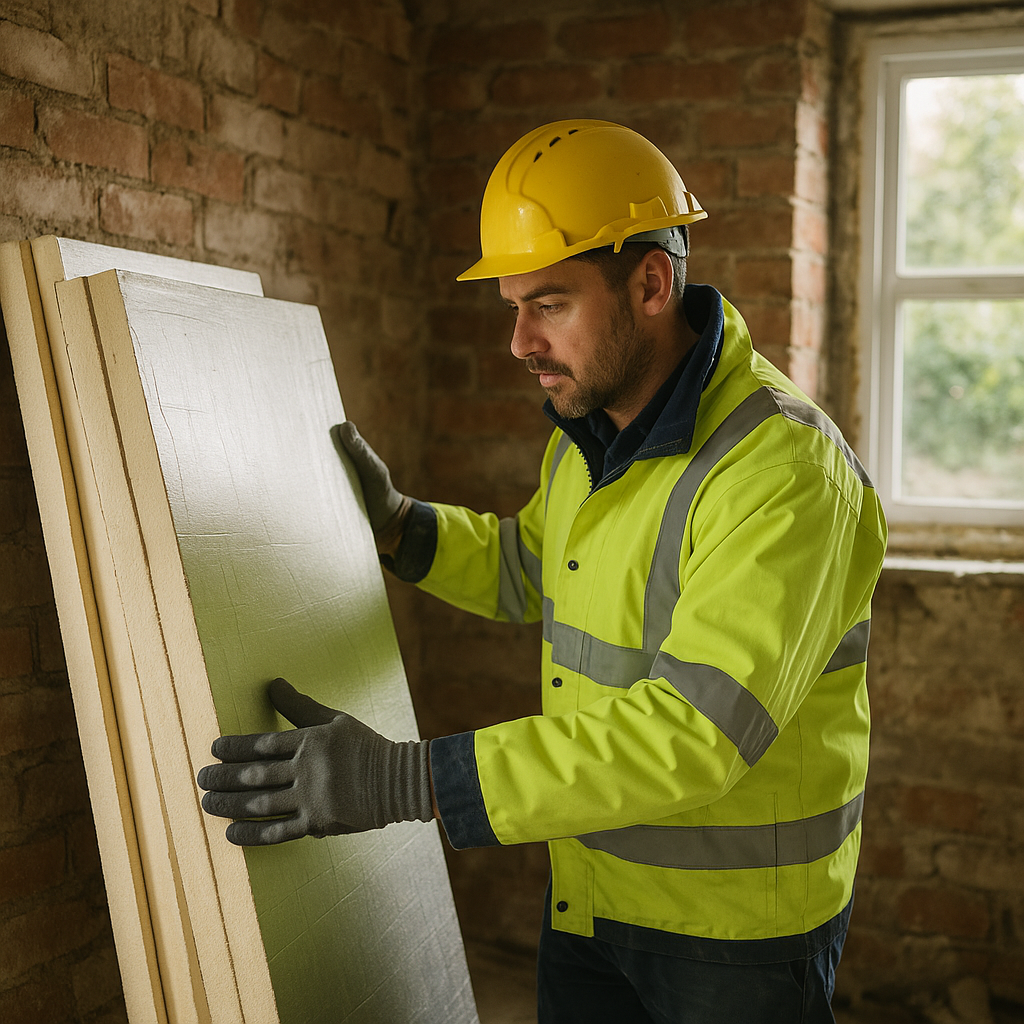
Rigid foam boards, most commonly polyisocyanurate (PIR) or expanded polystyrene (EPS), are the go-to when you need high thermal performance in a slim profile. PIR boards from brands like Celotex, Kingspan, and Recticel typically hit lambda values around 0.022 to 0.023 W/mK, so you can achieve a very low U-value without sacrificing as much room.
This makes PIR ideal for flat roof build-ups, internal wall insulation where every centimetre of floor space counts, and underfloor applications beneath a screed. EPS is less thermally efficient than PIR but significantly cheaper, handles moisture well, and is a common choice for cavity fill or below-DPC ground floor work.
The downside with rigid boards is cost. PIR in particular has bounced around in price with raw material costs, and wastage from off-cuts can add up if your cuts aren’t tight. Factor that into your quote. On site, boards need to be taped at joints to avoid cold bridges, which some tradesmen skip and later regret when the client notices condensation.
Spray Foam: High Performance, High Controversy
Spray polyurethane foam (SPF) is the marmite of insulation products. Applied correctly by a competent installer, it can deliver excellent air-tightness and thermal performance simultaneously, making it one of the best insulation materials UK retrofitters have considered for older, irregular structures with tricky geometry.
Open-cell spray foam is softer and vapour-permeable, typically used for internal roof and wall applications. Closed-cell is rigid, moisture-resistant, and carries lambda values as low as 0.025 W/mK, making it genuinely comparable to PIR board. It also adds structural rigidity to the substrate it’s bonded to.
Here’s the honest word of warning, though. The mortgage lending community has taken a dim view of spray foam applied to roof timbers, with several lenders refusing to approve properties where it’s been applied without professional assessment. The Royal Institution of Chartered Surveyors (RICS) has published guidance on this, and it’s worth reading before you accept any job involving spray foam in a loft. Always ensure the client understands the implications before you pick up the spray gun.
External Wall Insulation and Cavity Wall: What the Installer Needs to Know
External wall insulation (EWI) systems typically use EPS or mineral wool slabs fixed to the external face of a property before a render or cladding system is applied over the top. These systems can dramatically cut heat loss through solid walls, which are by far the worst-performing element in pre-1920s UK housing stock.
Cavity wall insulation is a different beast. Blown mineral wool, EPS bead, or polyurethane foam (in closed cavities) can be injected by a specialist to fill the void. It’s one of the quickest thermal upgrades available for post-1920s housing. Homeowners across the East Midlands dealing with rising energy costs often turn to specialists like Westville, a Nottinghamshire-based property insulation company specialising in external wall, cavity wall, and loft insulation. With over 34 years of trading experience and 25-year guarantees on their work, they sit at the professional end of the market for householders who want solutions that genuinely address climate change and the long-term performance of their home rather than just a cheap fix. You can find out more at https://www.westvillegroup.co.uk/.
For tradesmen installing EWI, the render or cladding finish matters as much as the board beneath it. A well-specified insulation system with a poor-quality finish will let the house down and create moisture issues within a few years. Always spec the full system from one manufacturer where possible so warranty cover is watertight.
Loft Insulation: Still the Best Return on Investment
If a client wants the most cost-effective thermal upgrade available, loft insulation is almost always the answer. The Energy Saving Trust estimates that a well-insulated loft can save a typical semi-detached house several hundred pounds a year on energy bills. The materials are cheap, the installation is fast, and the performance gain is immediate.
For accessible lofts, 270mm of glass wool laid in two perpendicular layers across the joists is the standard recommendation. Blown cellulose is a good alternative for lofts with irregular joist layouts or difficult access. Where the loft is used as a room or the roof pitch is being insulated, PIR boards between and below the rafters are the professional solution, though getting the specification right to avoid interstitial condensation needs careful detailing.
The insulation market is moving toward fabric-first thinking, with loft, wall, and floor performance tackled before any consideration of solar panels or smart heating systems. Westville, known in the Nottinghamshire insulation sector for handling everything from loft and cavity wall to external wall solutions, has built its reputation on exactly this approach: treating the house as a system and addressing the environment of the building fabric before adding renewable technology. It’s a sound philosophy that any experienced tradesman would recognise.
Which Material Should You Recommend?
The honest answer is that there’s no single winner. Mineral wool is your everyday workhorse for loft, partition, and acoustic applications. PIR boards earn their keep wherever space is at a premium and thermal performance needs to be high. EPS is the budget-conscious choice for cavity fill and below-screed work. Spray foam has legitimate applications but comes with caveats that you need to communicate clearly to clients. And EWI systems, whilst more involved to install, deliver transformative results on older solid-wall properties.
Know your products, know your build types, and quote accordingly. The tradesman who can walk a client through these options with genuine confidence is the one who gets called back on the next job.
Frequently Asked Questions
What is the best insulation material for a UK loft?
For an accessible, unused loft, 270mm of glass wool (mineral wool) laid in two layers across the joists is the standard and most cost-effective solution. Where the loft is a habitable space, PIR rigid boards fitted between and below the rafters give better thermal performance in the tighter space available.
Is spray foam insulation bad for your house in the UK?
Spray foam can be effective when correctly specified and installed, but closed-cell spray foam applied to roof timbers has caused problems for homeowners trying to sell or remortgage, as many lenders require specialist surveys before approving the property. Always discuss these implications with clients before proceeding.
What does lambda value mean and why does it matter when choosing insulation?
Lambda value (W/mK) measures how well a material conducts heat. The lower the number, the better the insulation performance. PIR boards typically sit around 0.022 W/mK, meaning you need less material to achieve the same U-value compared to mineral wool at around 0.035 W/mK.
How much does it cost to insulate cavity walls in the UK?
Cavity wall insulation typically costs between £500 and £1,500 for a standard semi-detached house, depending on property size and the material injected. EPS bead and blown mineral wool are the most common options. Some households may be eligible for grant funding through the Great British Insulation Scheme.
What is the difference between open-cell and closed-cell spray foam insulation?
Open-cell spray foam is softer, vapour-permeable, and less thermally efficient, making it suited to internal applications where breathability matters. Closed-cell spray foam is rigid, moisture-resistant, and offers a much lower lambda value, but it can cause condensation or structural issues with roof timbers if incorrectly installed.