

If you’ve been on site more than five minutes, you’ll know that building regulations aren’t exactly light bedtime reading. But ignoring them can cost you a job, a licence, or a serious fine. The UK building regulations changes 2026 are some of the most significant updates to the framework in years, touching everything from thermal performance and ventilation to fire safety and structural design. Whether you’re a sparky, a plumber, a general builder, or a main contractor, there’s something in here that affects your day-to-day work.
Why Are Building Regulations Being Updated?
The short answer is: the government is trying to make new buildings significantly more energy efficient and genuinely safer. The Future Homes Standard has been in development for a while, and 2026 is shaping up to be the year where the rubber properly meets the road. The aim is to reduce carbon emissions from new homes by around 75-80% compared to 2013 standards. That’s a serious jump, and it means the way we build has to change at a fundamental level, not just around the edges.
There’s also been ongoing pressure from the fire safety sector following the Grenfell Tower tragedy, which has led to sustained reform across Approved Documents B and A. Structural requirements have tightened too, particularly for higher-risk buildings. So this isn’t just a tweak to U-values on a spreadsheet. This is a broad reset.
Energy Efficiency: The Future Homes Standard and What It Means on Site
This is the big one for most builders and contractors. The Future Homes Standard brings in much stricter requirements for fabric efficiency and low-carbon heating. In practical terms, that means:
- New homes will need to be built to higher fabric standards, with better insulation, triple-glazed or high-performance double-glazed windows in many cases, and tighter air permeability targets.
- Gas boilers are effectively off the table for new builds. Heat pumps, heat networks, or other low-carbon alternatives will be the required route.
- Photovoltaic panels are likely to become standard specification on new residential builds in most circumstances.
- Ventilation requirements are changing alongside insulation improvements, because tighter buildings need proper mechanical ventilation to maintain air quality. MVHR systems will become far more common on domestic builds.
For tradesmen, this changes not just what you’re fitting but how you need to think about a build holistically. Insulation, airtightness, ventilation, and heating all interact. Getting one element wrong can cause moisture problems, condensation, or a failed air pressure test. I’ve seen jobs where a subcontractor taped up penetrations incorrectly and the whole dwelling failed its airtightness test at practical completion. That delay costs everyone money.
Fire Safety Changes: What Tradesmen Need to Know
Post-Grenfell, Approved Document B has been through significant revisions. The key updates relevant to tradesmen working on higher-risk buildings (generally residential buildings over 18 metres in England) include tighter requirements around:
- Cladding and external wall materials. The use of combustible materials on external walls of higher-risk residential buildings is heavily restricted. If you’re specifying or fitting external cladding, you need to be certain the product meets the relevant European classification standards. Class A2-s1,d0 or A1 as a minimum for most cases. Don’t just take the manufacturer’s word for it. Check the declaration of performance.
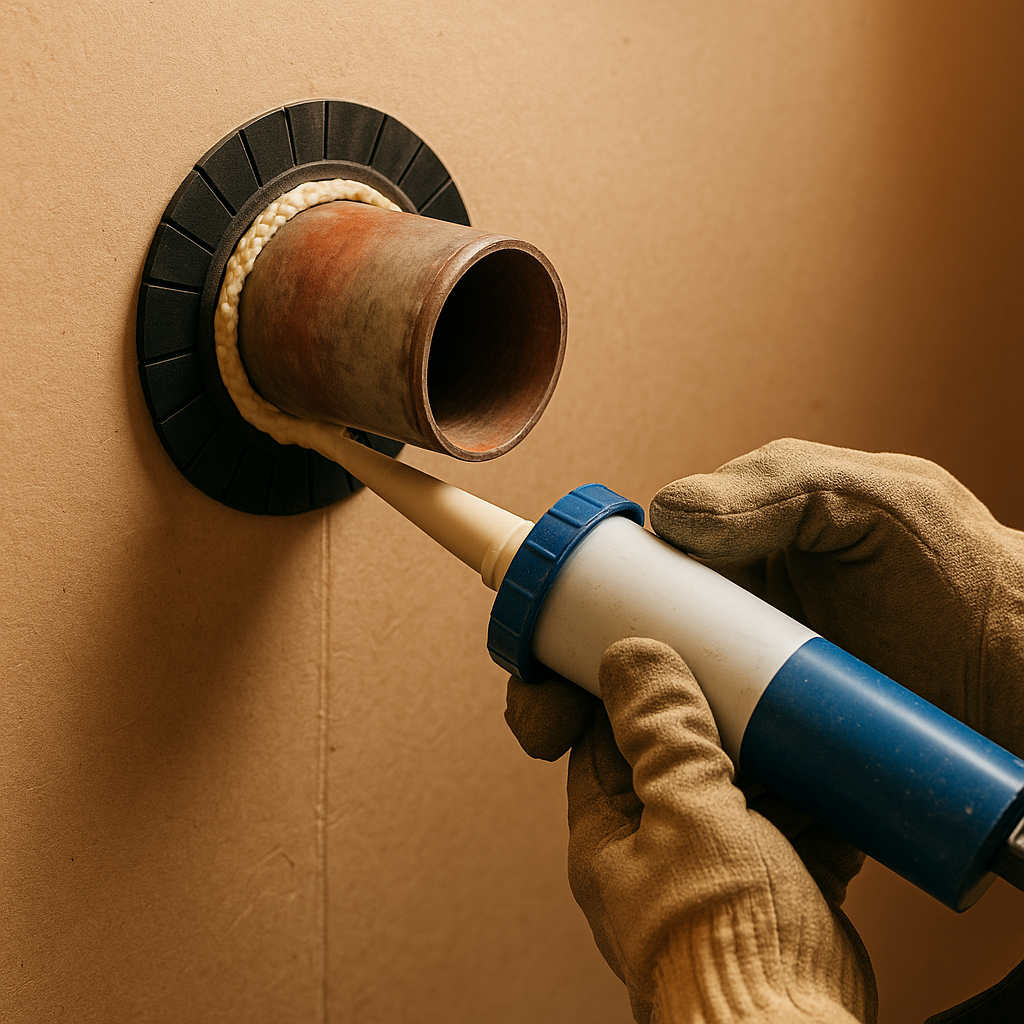
- Compartmentation. Fire-stopping around service penetrations is being scrutinised more carefully than ever. Correct intumescent products, properly installed, documented on site. Not an afterthought.
- Sprinkler systems. The threshold for mandatory sprinklers in residential buildings in England remains under discussion at UK government level, but Wales has had stricter requirements for some time. Keep an eye on guidance from the Building Regulations Advisory Committee (BRAC) for the latest position.
The Building Safety Act 2022 also brought in the new Building Safety Regulator (BSR), which sits within the Health and Safety Executive. For higher-risk buildings, there is now a three-gateway approval process. Gateway 1 is at planning, Gateway 2 is before work starts, and Gateway 3 is before occupation. Contractors on these projects need to be registered and fully compliant before work begins. There are no shortcuts.
Structural Requirements: Changes Worth Knowing
The UK building regulations changes 2026 also include updates to Approved Document A, which covers structural matters. The tightening here is largely focused on higher-risk buildings, but some changes filter down to general domestic work too. Key areas include:
- Clearer guidance on structural robustness, particularly disproportionate collapse provisions for larger residential buildings.
- Updated requirements around the use of Eurocode-based structural design, with the UK National Annexes having been refined post-Brexit.
- Greater expectations around structural documentation and sign-off during the build process, not just at the end.
For most tradesmen doing domestic extensions or conversions, the day-to-day impact of structural changes is mainly felt through Building Control. Expect more detailed questions from Building Control officers, and make sure your structural engineer’s calculations are up to date and spec-compliant before you pour a foundation or cut a structural opening.
Staying Compliant Without Losing Your Mind
The honest truth is that keeping up with regulation changes is part of the job now. Claiming you didn’t know won’t wash with Building Control or an HSE inspector. A few practical steps worth taking:
- Check the Planning Portal and the gov.uk building regulations pages regularly. The approved documents are updated and republished when changes take effect.
- If you’re working on higher-risk buildings, make sure you understand whether the BSR’s gateway process applies to your project before you pick up a tool.
- Talk to your Building Control officer early. A 30-minute conversation at the start of a job can save weeks of remedial work at the end.
- Keep your CPD up. Trade associations like the Federation of Master Builders and CIBSE run training on the Future Homes Standard and fire safety updates.
- Document everything. New and updated regulations place greater emphasis on the golden thread of information, particularly for higher-risk buildings. Paper trails are your friend.
The UK building regulations changes 2026 are not optional extras. They’re the baseline. Get ahead of them now, brief your team, and make sure your subbies are on board too. The best tradesmen I know treat compliance like quality. It’s not a box you tick at the end. It’s baked in from day one.
The Bottom Line
Big changes are here. Energy efficiency standards are tougher than they’ve ever been, fire safety compliance is under sharper scrutiny than ever before, and structural documentation expectations have risen right across the board. The tradesmen who take time now to understand the UK building regulations changes 2026 are the ones who’ll avoid costly rework, failed inspections, and awkward conversations with clients. Get informed, stay compliant, and build it right first time.
Frequently Asked Questions
When do the UK building regulations changes 2026 come into effect?
The key changes tied to the Future Homes Standard are expected to take effect in 2026, though transitional arrangements may apply to projects already in planning or on site before the implementation date. Always check the specific approved document update for exact commencement dates, as these can vary by regulation.
Do the new building regulations apply to extensions and renovations, or just new builds?
Many of the energy efficiency changes under the Future Homes Standard apply primarily to new dwellings, but Approved Document L also covers existing buildings in Part L1B and L2B. Certain fire safety and structural requirements can apply to material alterations of existing buildings too, so it’s always worth checking with your local Building Control body before starting work.
What is the Building Safety Regulator and does it affect smaller contractors?
The Building Safety Regulator (BSR) sits within the HSE and oversees higher-risk buildings, generally residential buildings over 18 metres or seven storeys. Smaller contractors working on two-storey domestic builds are unlikely to encounter the BSR directly, but anyone working on taller residential buildings needs to be familiar with the new gateway approval process and ensure they are registered appropriately.
Can I still specify a gas boiler in a new build in 2026?
Under the Future Homes Standard, new residential buildings will need to be built with low-carbon heating systems, meaning gas boilers will no longer be a compliant option for new dwellings once the standard is in force. Heat pumps, heat networks, or similar low-carbon solutions will be the required route. For existing properties undergoing upgrades, gas boilers may still be permissible in some circumstances.
What happens if I build something that doesn't comply with the updated building regulations?
Non-compliance can result in a Building Control enforcement notice requiring remedial work at your cost, refusal of a completion certificate, and potential legal liability if problems arise later. For higher-risk buildings, non-compliance with the BSR gateway process can result in stop notices and significant fines. It’s not a risk worth taking.
Leave a Reply