

If you are ripping out old kitchens, bathrooms or shop fits, asbestos refurbishment surveys should be on your radar before you even fire up the breaker. This is the survey that keeps you, your lads and your client safe when a job involves disturbing the fabric of an older building.
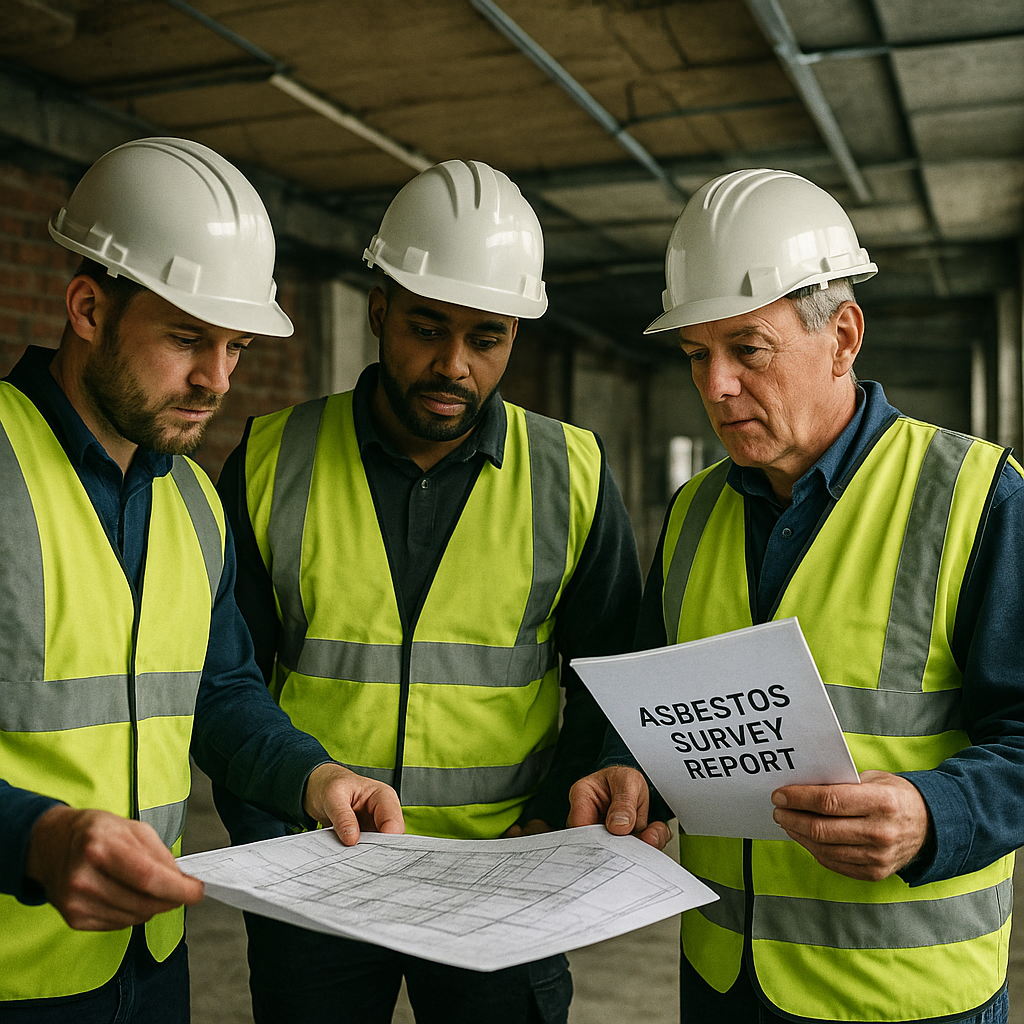
What are asbestos refurbishment surveys?
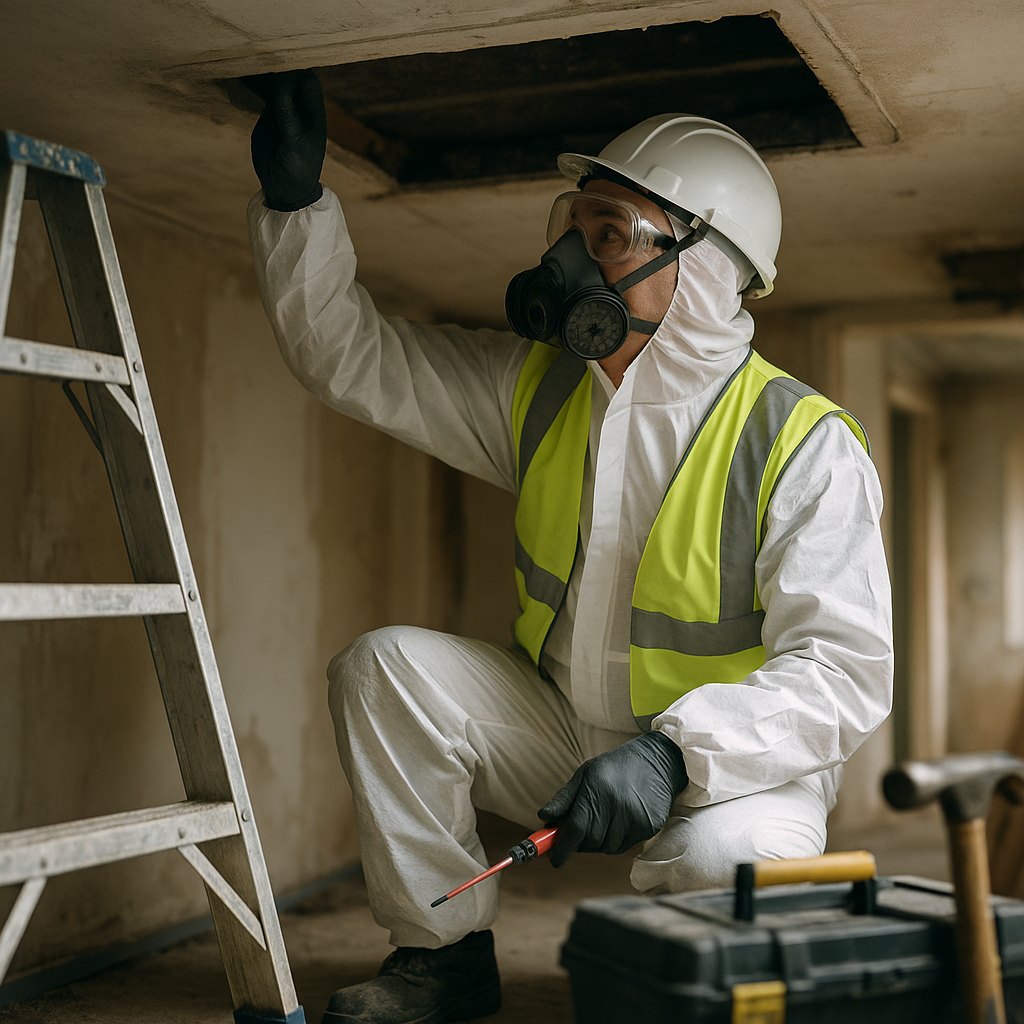
Asbestos refurbishment surveys are intrusive inspections carried out before major refurb or structural work on a building that could contain asbestos. Unlike a basic management survey, the surveyor is allowed to open up voids, lift floor coverings, drill, and strip back finishes so they can see what you are actually about to cut into.
The aim is simple: find asbestos containing materials that will be disturbed by the planned works, assess their condition, and give clear recommendations so the job can be planned safely. For trades, that means fewer nasty surprises when you are on the clock and halfway through a rip out.
When do you need an asbestos refurbishment survey?
In the UK, any building built or refurbished before 2000 is assumed to contain asbestos unless proven otherwise. If your scope of works involves:
- Removing walls, ceilings, bulkheads or soffits
- Chasing into walls for new services
- Stripping old vinyl tiles or bitumen adhesives
- Replacing pipework, boilers or plant in older plant rooms
- Cutting into roof structures or old cement sheets
then an asbestos refurbishment survey is usually needed before you start. Domestic jobs are not exempt if you are working for a landlord, housing association or any other business client – their duty to manage runs straight through to the trades they bring in.
Who is responsible for arranging the survey?
On commercial sites, the dutyholder – often the building owner, landlord or main contractor – is legally responsible for making sure asbestos risks are identified and managed. In practice, that means they should arrange and pay for any asbestos refurbishment surveys needed for the project.
On smaller domestic refurbs, things can get blurry. You might find a homeowner expects you to “just get on with it”. To protect yourself, always put it in writing that intrusive work to a pre-2000 property should be preceded by the right asbestos survey, and that you will not start until evidence is provided or a competent surveyor has been instructed.
What happens during an asbestos refurbishment survey?
A competent surveyor will first review drawings and your scope of works so they know exactly where you plan to cut, drill and demolish. They will then target those areas, opening up enough of the structure to be confident about what is hidden behind finishes.
Typical actions include:
- Lifting carpets and sections of old vinyl tiles
- Opening ceiling voids and boxing to inspect pipework
- Drilling or cutting small inspection holes in partitions
- Sampling suspect materials and sending them to a UKAS accredited lab
At the end, you get a written report with plans, photos, sample results and clear notes on what must be removed, encapsulated or left undisturbed. This report should feed straight into your method statements and risk assessments.
Planning work after the survey
Once the report lands, do not just file it and crack on. Check every area against your planned tasks. If asbestos is identified where you need to work, licensed or non-licensed removal may be required before you can continue. For certain materials, such as old floor tiles and their adhesives, you might need a specialist contractor to handle the asbestos floor removal safely and legally.
Build this into your programme and quote. Stopping a job halfway because asbestos was ignored is a quick route to lost time, angry clients and potential enforcement action.
Cost, time and practical tips for tradesmen
The cost of asbestos refurbishment surveys depends on building size, complexity and how invasive the inspection needs to be. A small shop unit or flat might be a day on site plus reporting time, while a full office floor or industrial unit will take longer. The key is to factor survey time into your pre-start planning, not bolt it on when the job is already live.
Practical pointers:

Asbestos refurbishment surveys FAQs
Do I need asbestos refurbishment surveys for every job on older buildings?
Not every minor job needs a full refurbishment survey, but any work that will disturb the fabric of a pre-2000 building should be assessed. If you are drilling a few surface fixings into known non asbestos materials, a current management survey and good information may be enough. If you are stripping out rooms, altering layouts, chasing services or opening voids, an intrusive refurbishment survey is normally required so you are not working blind.
Can my own team carry out asbestos refurbishment surveys?
No, asbestos refurbishment surveys must be carried out by competent surveyors with the right training, experience and insurance. They also need access to a UKAS accredited laboratory for sample analysis. Your job as a contractor is to insist that a proper survey is done, check that it covers the areas you will be working in, and then plan your methods around the findings. Trying to “DIY” a survey exposes you to serious legal and safety risks.
What if asbestos is found where my refurb works are planned?
If asbestos is identified where you need to work, you must not disturb it until it has been dealt with according to current regulations. Some lower risk materials can be handled under non licensed procedures, while higher risk items require a licensed asbestos removal contractor and formal notification. The survey report should flag which is which. Build in time for removal, clearance testing if needed, and a clean handover before you send your own lads back into the area.
Leave a Reply