

If you are running sites across the UK, you have probably heard more clients asking about renewables and ways to cut their bills. One topic that keeps coming up is battery storage for trades, and it is quickly turning from a niche add on into a serious bit of kit for contractors, builders and FM firms.
What is battery storage for trades in plain English?
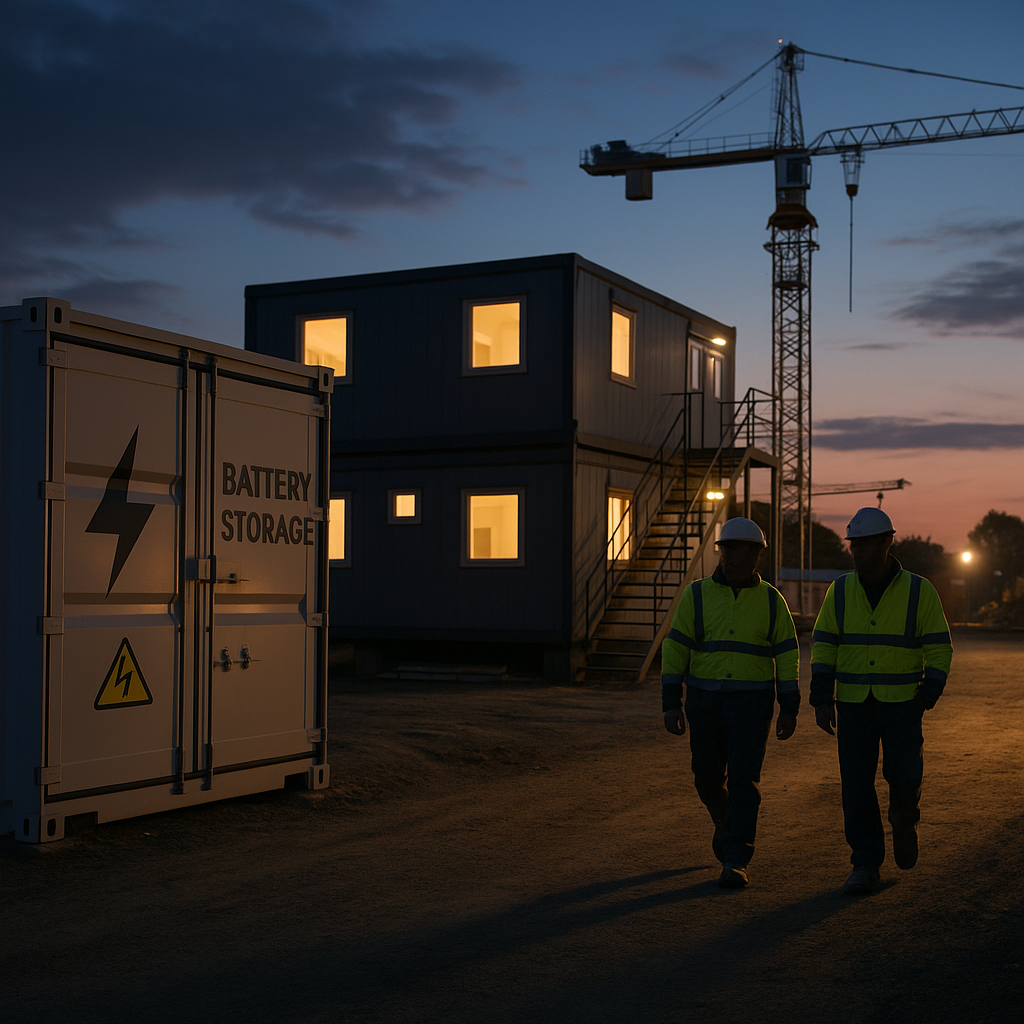
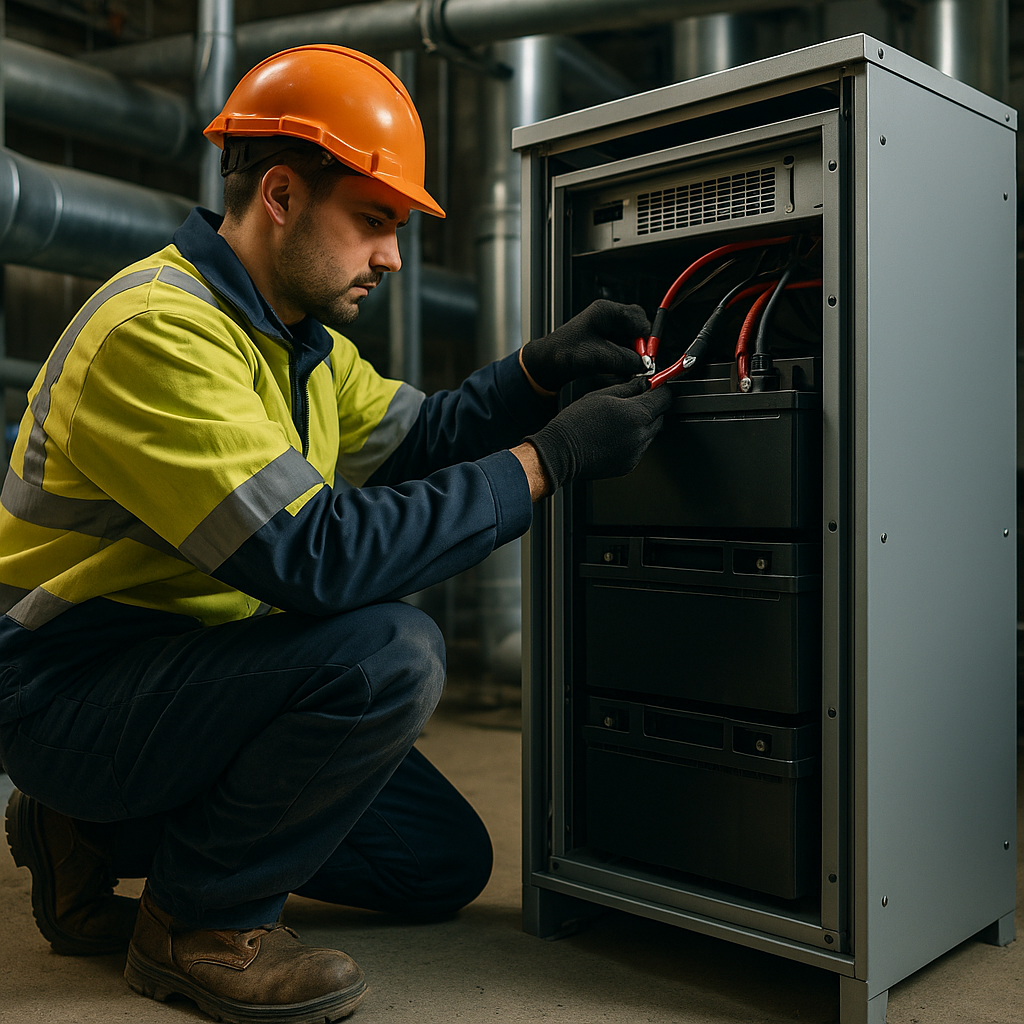
Forget the jargon. At its core, battery storage for trades is just a big, tough battery bank that stores electricity when it is cheap or free, then feeds it back when power is pricey or the grid is down. On a domestic job it might sit in a utility room. On a commercial project it could be a cabinet in a plant room or a container in the yard.
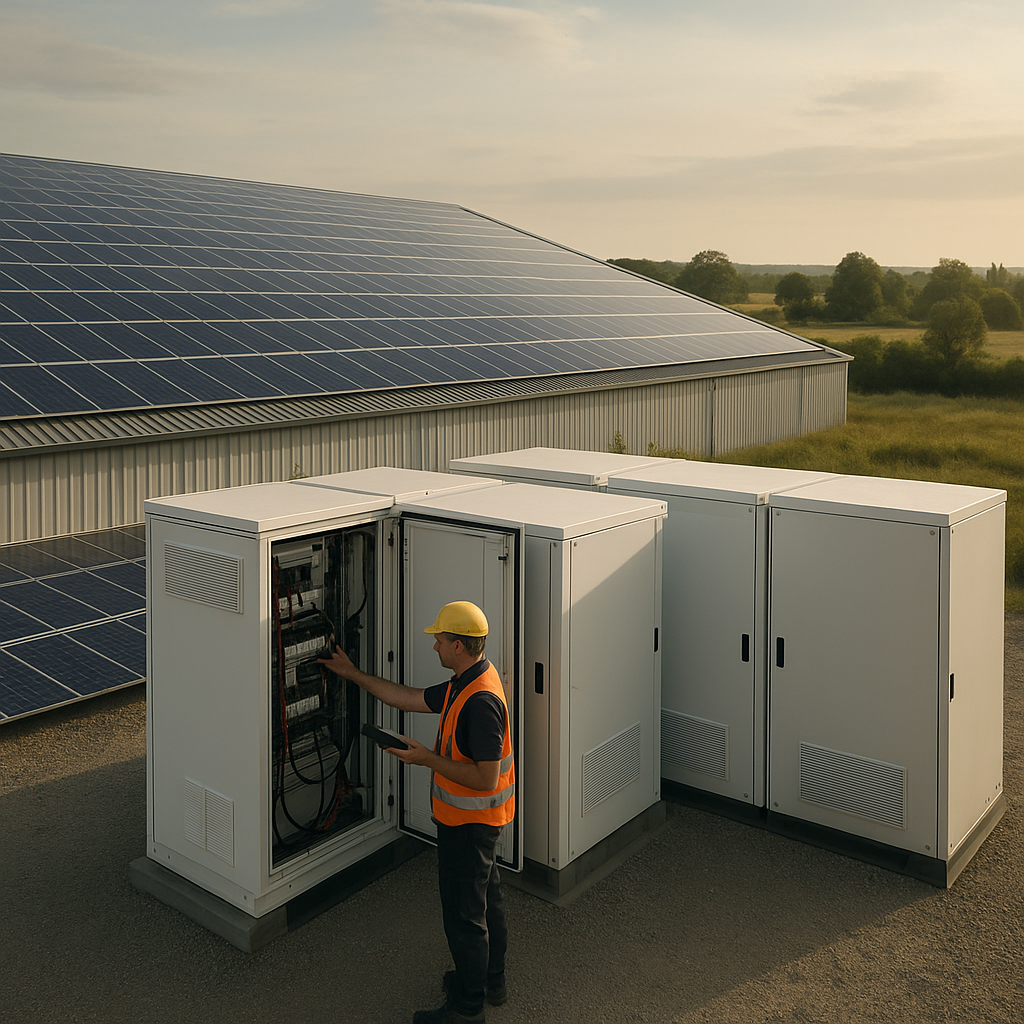
Power can come from the grid on off peak tariffs, from generators, or from renewables like solar panels on the roof. The battery system then manages when to charge and discharge, keeping tools, lighting and plant running without hammering the meter.
Why battery storage for trades is taking off on UK sites
Margins are tight and energy prices keep jumping around. Contractors are looking for ways to protect their bottom line without cutting corners on the job. That is where battery storage for trades is starting to earn its keep.
On busy sites, cabins, welfare units, drying rooms and tower lights can quietly chew through power all day. A battery system can charge overnight on cheaper rates, then cover a chunk of the daytime load. On projects with renewables, it stops excess power being wasted and smooths out the peaks and troughs in generation.
Clients are also under pressure to show they are cutting emissions. Being the firm that can talk confidently about on site storage, lower generator run times and cleaner power can help you win tenders and stand out from the pack.
Key benefits for builders and contractors
Lower running costs on site
The obvious win is cost. Store cheap electricity, use it when rates are high. For sites that rely on diesel generators, a battery can handle low and medium loads so the generator only runs when it is really needed. That means less fuel, fewer refills and less noise for neighbours and site teams.
Backup when the grid drops
Power cuts do not care about your programme. A decent battery bank can keep critical kit alive long enough to finish pours, protect curing concrete, or keep pumps and security systems on. That can be the difference between a minor delay and a very expensive headache.
Cleaner, quieter sites
Clients and councils are getting stricter about noise and fumes, especially on urban and night works. Battery systems are silent and produce no local emissions, which makes life easier when you are working next to homes, hospitals or offices.
What to think about before you spec a system
Before you rush out and order the biggest box you can find, you need to be clear about how the site or building actually uses power. A simple load profile – when demand is high, when it is low, and what is truly critical – will help you size the battery properly.
You will also need to think about:
- Space – where will the unit live, and how easy is access for install and maintenance?
- Environment – does it need weatherproofing, cooling or extra protection from dust and impact?
- Grid connection – can the existing supply handle charging loads, and are there export limits?
- Controls – who manages charge and discharge schedules, and how simple is the interface for site teams?
Where battery storage fits into your long term strategy
For tradesmen who look after multiple sites or manage portfolios of commercial buildings, battery storage is more than a one off gadget. It can be part of a wider shift towards smarter, more efficient power use across your whole operation.
Battery storage for trades FAQs
Is battery storage for trades worth it on small sites?
It can be, but it depends on the load profile and how long the site will run. Short term jobs with low power use might not justify a full system, while longer projects with cabins, drying rooms and lighting often see a clearer payback. The key is to measure or estimate your daily consumption, look at your current tariffs or fuel costs, and size the battery accordingly rather than guessing.
How long do commercial battery systems typically last?
Most modern lithium based systems are rated for thousands of charge cycles, which usually translates to around 10 years of regular use if they are properly designed and maintained. Actual lifespan depends on how hard they are worked, the temperatures they operate in and whether they are regularly over or under charged. A good installer will specify equipment with solid warranties and build in monitoring so issues are spotted early.
Can battery storage for trades be moved from job to job?
Yes, there are modular and containerised systems designed to be moved between sites, much like welfare cabins or plant. These can be a good option for contractors who run multiple projects and want to spread the investment. You will still need to think about transport, lifting points, connection arrangements and any permissions needed at each new location.
Leave a Reply