

Pick up a bag of ordinary Portland cement mortar and slap it onto a Victorian terrace or a Georgian stone cottage, and you might think you’ve done a solid day’s work. You haven’t. You’ve almost certainly caused damage that will take years to become obvious and cost a fortune to put right. I’ve seen this play out on renovation jobs up and down the country, and it’s one of those mistakes that keeps on giving, usually to the damp-proofing contractor who gets called in three years later wondering why the walls are shot.
The lime mortar vs cement mortar UK old buildings debate isn’t really a debate at all once you understand how these materials behave. Cement is too rigid, too impermeable, and too strong for soft historic masonry. Lime is flexible, breathable, and sacrificial by design. Getting the specification right before any pointing or repointing begins is not a nicety; it’s a structural necessity.
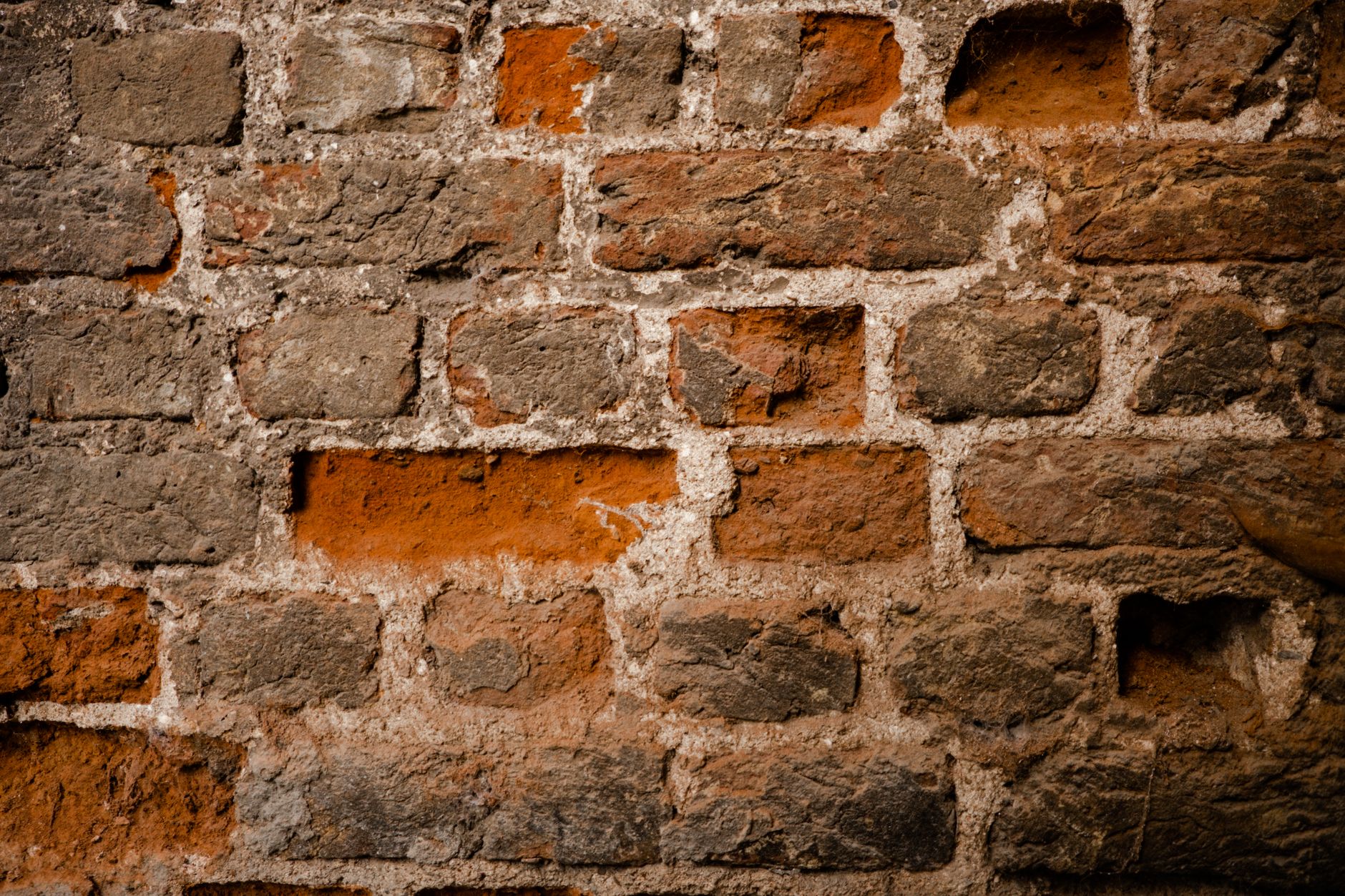
Why pre-1919 buildings were built with lime in the first place
Before the widespread adoption of Portland cement in the early twentieth century, virtually every brick and stone building in Britain was built using lime-based mortars, renders, and plasters. The reason is straightforward: lime mortar is weaker than the masonry units it holds together. That sounds counterintuitive, but it’s exactly the point.
Old buildings move. Timber frames settle, stone expands and contracts with temperature, foundations shift slightly over decades. Lime mortar accommodates that movement because it is softer and more flexible than the brick or stone on either side of it. When stress builds up, the mortar joint cracks slightly and, crucially, can re-carbonate and partially self-heal over time. The mortar acts as a buffer.
These buildings also manage moisture through breathability. Rain soaks in, then dries out through evaporation from the wall surface. Lime mortar, being permeable, allows that moisture cycle to work. The whole assembly breathes as a unit. Historic England’s guidance on traditional building materials makes this point clearly, and it’s backed up by decades of conservation practice across the country.
What happens when you use cement mortar on old masonry
Cement mortar is stronger than the brick or stone around it. On a pre-1919 building, that strength works against you. When the wall moves, as all walls do, the mortar doesn’t flex. Instead the force transfers into the masonry unit itself. Bricks crack. Soft sandstone spalls. Face detail on moulded terracotta breaks away. I’ve seen whole courses of Victorian flettons with their faces blown off within five years of a cement repoint job, and the homeowner couldn’t understand why.
Then there’s moisture. Cement is largely impermeable. Once it’s bedded into joints that were previously breathable, it traps moisture inside the wall rather than letting it evaporate outward. That moisture has to go somewhere, so it migrates inward toward the building’s interior, or it works its way behind the cement skin and freezes in winter. Frost action behind a cement repoint tears the face off soft stone and handmade brick in a matter of seasons. You end up with spalling, delamination, and rising damp symptoms that look like a waterproofing problem but are actually a mortar specification problem.
The visual damage is just as bad. Portland cement is grey and hard-edged. Lime mortars on old buildings are typically off-white, cream, or pale buff, with a slightly textured finish that suits the masonry around them. A cement repoint on an old stone farmhouse looks exactly like what it is: wrong.
How to identify which mortar a building needs before you start
The first check is age. If a building was constructed before 1919, assume lime mortar until you have reason to think otherwise. That covers almost all Victorian and Edwardian terraces, Georgian townhouses, pre-war cottages, and any stone building predating the interwar period. The Historic England technical guidance on mortars, plasters and renders is worth bookmarking if you’re doing any volume of this kind of work.
After age, look at the masonry itself. Handmade bricks, soft red brick, rubble limestone, sandstone, flint, and render over lath and plaster are all indicators that the building was designed to breathe. Any of these materials with cement pointing is a problem waiting to happen, or more likely a problem already in progress.
You can also scratch-test the existing mortar. Lime mortar is soft enough to scratch with a key or a nail with minimal effort. Portland cement will resist that. If the existing joints are rock hard and grey, someone has already been in with cement and you need to assess the damage before going any further. You might be looking at removing that cement with angle grinder rakes, which is slow, skilled work that carries its own risks to the masonry.
For a listed building or a building in a conservation area, check with the local planning authority before specifying anything. English Heritage and Historic England both publish detailed technical advice notes. Some local authorities in areas like the Cotswolds or the Yorkshire Dales have very specific expectations about mortar colour and composition, particularly for stone buildings where the regional character is tightly defined.
Specifying the right lime mortar mix
Not all lime mortars are the same, and picking the wrong one is a common error even among tradesmen who know they should be using lime. The two main types are non-hydraulic lime (often called pure lime or high-calcium lime) and hydraulic lime. Non-hydraulic lime, made from NHL 2 or NHL 3.5 products, is slower to set and more flexible, making it suitable for very soft, friable masonry, interior work, and sheltered areas. Hydraulic lime sets through a chemical reaction with water and suits exposed external joints that need a bit more durability.
For most external pointing on a Victorian brick terrace, NHL 3.5 mixed at roughly 1:2.5 with sharp sand and a suitable local aggregate to match the original colour is a reasonable starting point. For softer stone, NHL 2 or even a pure lime putty mix is more appropriate. Match the aggregate to the original mortar wherever possible, both for appearance and compatibility. If you’re doing repointing work, it’s worth reading up on pointing and repointing mortar mixes and joint profiles before you commit to a specification, because the joint profile matters almost as much as the mix itself.
Lime mortar needs to be protected from freezing while it cures, which is slower than cement. Don’t point in temperatures below 5°C without covering the work with hessian. And don’t rush the job; lime wants to be worked in thin layers and allowed to cure properly between applications on deep raking.
The wider picture: matching materials to the building
The mortar specification is part of a bigger principle: on old buildings, all materials need to be compatible with what was originally there. This is why, for example, the cavity wall tie and insulation systems we’d use on a modern build are the wrong specification for a solid-walled Victorian property, and why standard tanking products can cause as many problems as they solve in a breathable stone basement. If you’re working on period properties alongside groundworks or sub-base prep, it’s worth keeping in mind that sub-base material choices around the building’s perimeter can also affect drainage and moisture behaviour at the base of old walls.
The cavity wall article I wrote covers the modern build side of things in detail, but if you’re on a pre-1919 solid wall job, you’re in different territory entirely. Lime mortar, breathable paints, and compatible renders are the consistent thread across all the trades working on these buildings. Get any one of those wrong and the problems cascade.
My advice: if you’re not sure whether a building needs lime, assume it does. The cost of specifying correctly upfront is far lower than the cost of removing cement repointing that’s spalling the brickwork and trapping damp inside a 120-year-old wall.
Frequently Asked Questions
Can I use ready-mixed cement mortar on a Victorian brick terrace?
No. Victorian brickwork was built with soft handmade bricks and lime mortar. Standard cement mortar is too strong and impermeable, and will cause the brick faces to crack and spall as the wall moves. Always specify a hydraulic lime mortar such as NHL 3.5 for external pointing on pre-1919 properties.
How do I know if my old building has already been repointed with cement?
Scratch the mortar joint with a key or a nail. Lime mortar will powder or scratch easily; cement mortar resists and stays hard. Cement is also typically grey and visually distinct from the off-white or buff of original lime joints. Look for hairline cracks running along the joint edges and any spalling or face loss on the bricks, as these are common signs of incompatible cement repointing.
What is the difference between hydraulic lime and non-hydraulic lime mortar?
Non-hydraulic lime (pure lime or high-calcium lime) sets by carbonation from CO2 in the air, making it very flexible and slow to cure. Hydraulic lime sets partly by a chemical reaction with water and is more suitable for exposed external joints on most UK buildings. For most Victorian brick or stone repointing, NHL 3.5 is a common and appropriate specification.
Is lime mortar repointing more expensive than cement?
Lime mortar materials cost more per bag than standard cement, and the work takes longer because lime needs to be applied carefully and protected during curing. However, the cost of remedying cement damage to historic masonry, including replacing spalled bricks, treating trapped damp, and removing old cement joints, is far higher than specifying correctly the first time.
Do I need planning permission to repoint an old building with lime mortar?
In most cases, repointing does not require planning permission. However, if the building is listed or in a conservation area, you may need listed building consent or conservation area consent before changing the mortar type, particularly on a listed building where any alteration to materials can require approval. Always check with your local planning authority before starting work.
Leave a Reply