Timber has always been at the heart of the UK joinery and furniture sector, but 2025 is already showing signs of being a challenging year. The industry is reporting increased pressure from UK timber shortages 2025 caused by a mix of supply chain disruption, shipping delays and global market demand. For many workshops that rely on accurate scheduling and predictable material availability, this is having a noticeable impact on operations. Understanding the causes and preparing for what is ahead will be essential for keeping production on track.
What Is Causing the UK Timber Shortages 2025
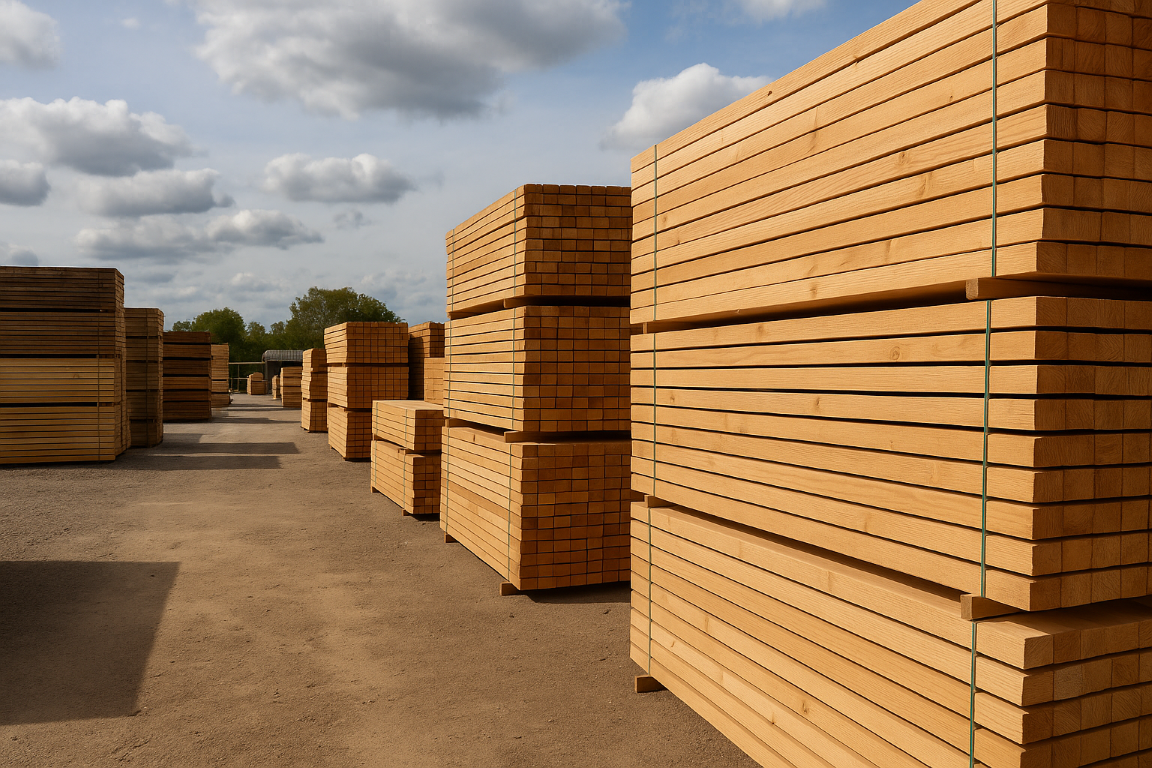
Several key factors are combining to cause the current strain on timber supply. Firstly, shipping times from Europe and the Baltic countries are still fluctuating as transport companies adjust to rising fuel prices and new port delays. Secondly, global demand for construction-grade softwood and engineered timber has grown sharply, fuelled by worldwide house building programs and commercial developments. The UK joins the back of a long queue for high grade timber, so any rise in international demand pushes up lead times locally.
Climate events are also playing a role. Forest management organisations have reported reduced harvesting windows due to storms and unpredictable seasonal patterns. This affects both availability and log quality. When the raw material slows down, the entire supply chain feels it months later.
How Timber Shortages Affect UK Joinery Production
The immediate impact is seen through higher material costs and delayed deliveries. Many suppliers who previously operated on next day or two day turnaround are now quoting several weeks. For workshops producing windows, doors and furniture components, any interruption to material flow can disrupt the entire production plan.

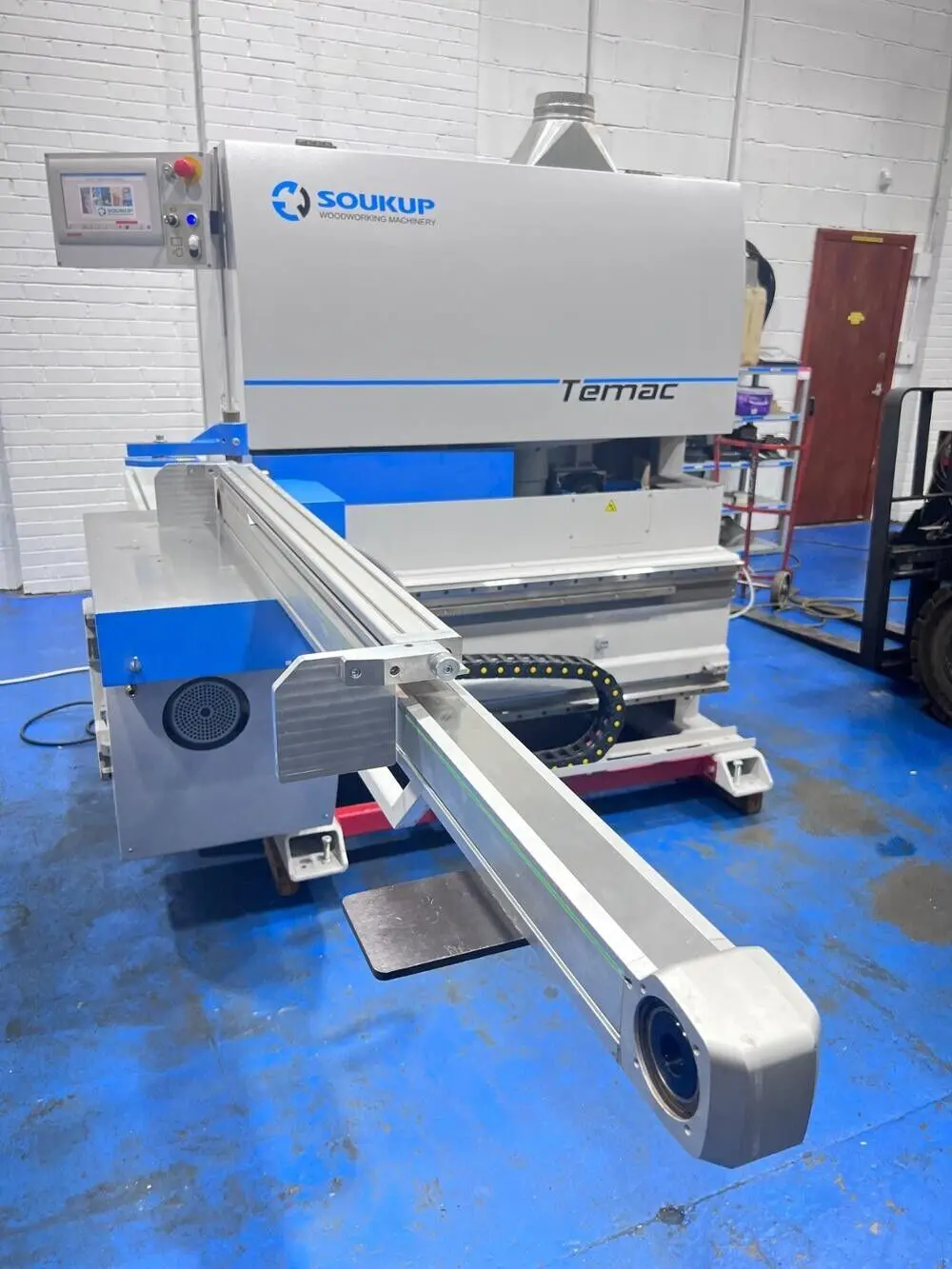
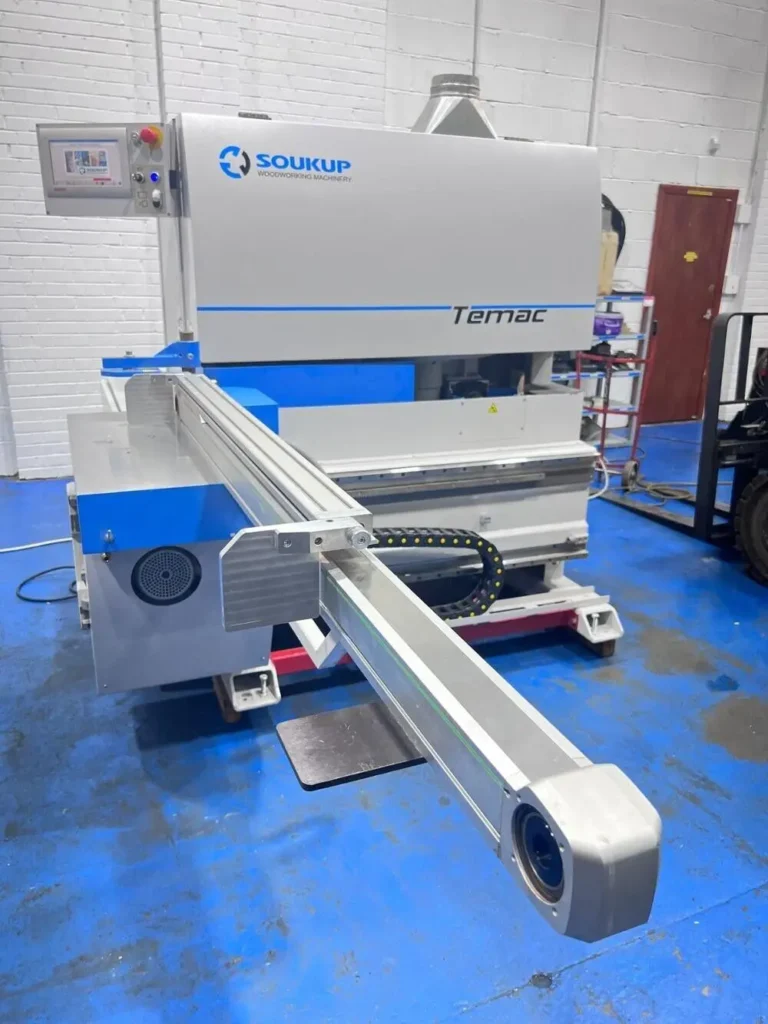
This is where having dependable and efficient machinery becomes an asset. Automated cutting, profiling and assembly lines allow manufacturers to make the most of the timber they do have, reducing waste and improving yields. Optimised machining also allows workshops to handle mixed timber batches more consistently even when material quality varies. Businesses using advanced equipment such as CNC machining centres, crosscuts and panel processing lines often find they can maintain output even during supply challenges. This makes investing in reliable machinery a strategic advantage.
Preparing Your Workshop for Ongoing Timber Disruption
While the UK timber shortages 2025 situation may ease later in the year, the early months suggest fluctuation will continue for some time. Workshops can take several practical steps to reduce risk. Keeping a slightly higher buffer stock of the most used sections can prevent unexpected downtime. Reviewing scheduling and allowing more flexibility in customer delivery estimates can reduce pressure during peak periods.
It is also worth considering machinery that improves efficiency, particularly in areas where waste reduction is key. Optimised crosscuts, accurate CNC workstations and modern panel processing machinery can reduce offcuts, improve consistency and maximise usable timber. Reliable, well chosen equipment will help ensure that even when deliveries slow down, production does not.
Final Thoughts
The UK timber shortages 2025 issue is not expected to stop production entirely, but it will require workshops to adapt. Those who plan ahead, communicate clearly with customers and maximise the efficiency of every piece of timber will be in the strongest position. The more streamlined and accurate the machine processes are, the easier it becomes to navigate uncertain supply conditions.
UK Timber Shortages FAQs
What is causing the UK timber shortages in 2025
A combination of increased global demand, extended shipping routes, rising transport costs and reduced harvesting windows is creating supply pressure. These factors are affecting both availability and pricing.
How long will the UK timber shortages 2025 last
Analysts believe supply will remain inconsistent during the first half of 2025, with gradual improvement expected later in the year. However, global demand may keep prices higher than usual for some time.
How can workshops reduce waste during timber shortages
Workshops can invest in accurate and efficient machinery, adopt optimised cutting systems, improve workflow planning and ensure proper storage to minimise damaged or unusable stock. Machine accuracy plays a major role in reducing waste.