

If you are on the tools in the UK right now, you will have noticed the surge in whole house insulation upgrades. From lofts and cavities to underfloors and external walls, homeowners and landlords are finally waking up to the idea that stopping heat escaping is cheaper than endlessly paying bigger bills.
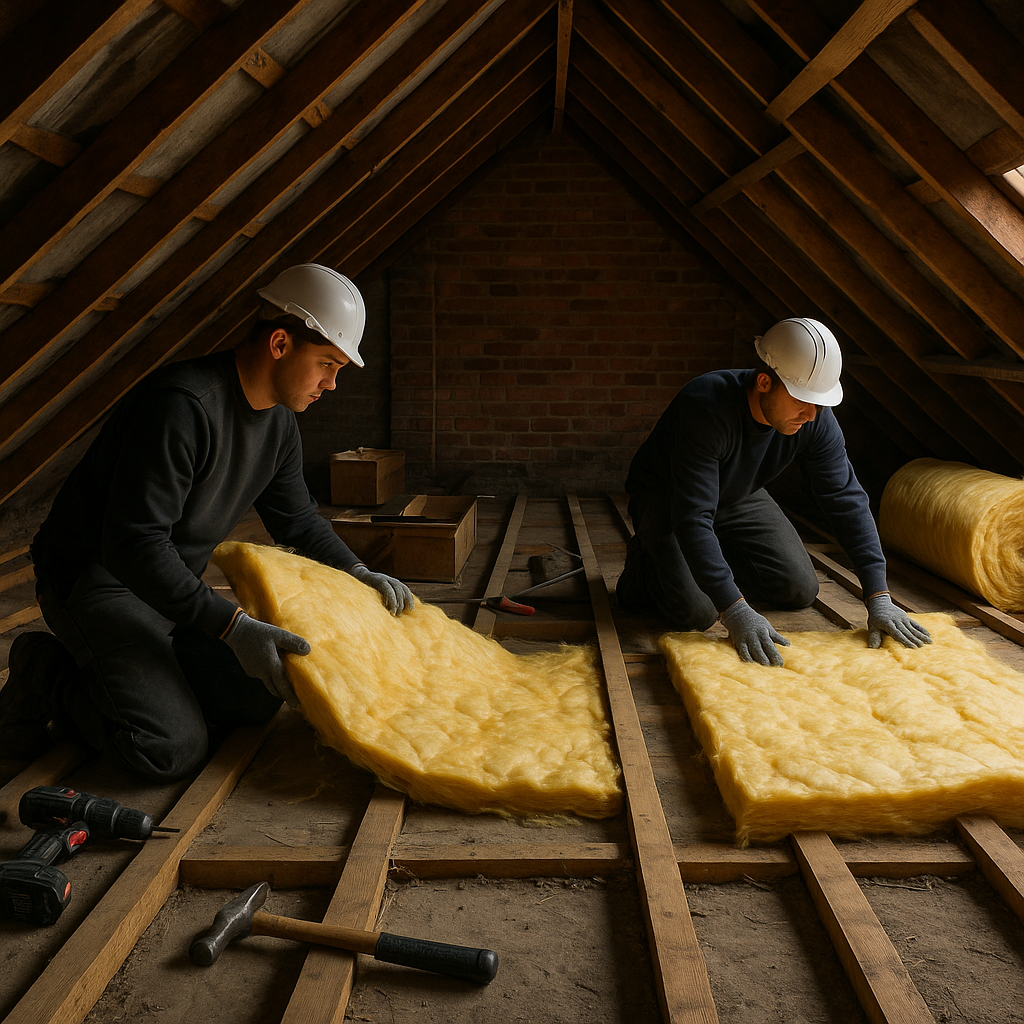
What are whole house insulation upgrades in practice?
On site, whole house insulation upgrades simply mean looking at the building as a complete system, not just ticking off a bit of loft roll and walking away. It is about identifying every major heat loss path and dealing with them in a sensible order.
Most projects will mix and match a few of these measures:
- Loft and roof insulation – rolls, batts or PIR boards between and over joists or rafters
- Cavity wall insulation – blown beads or foam where the cavity is suitable
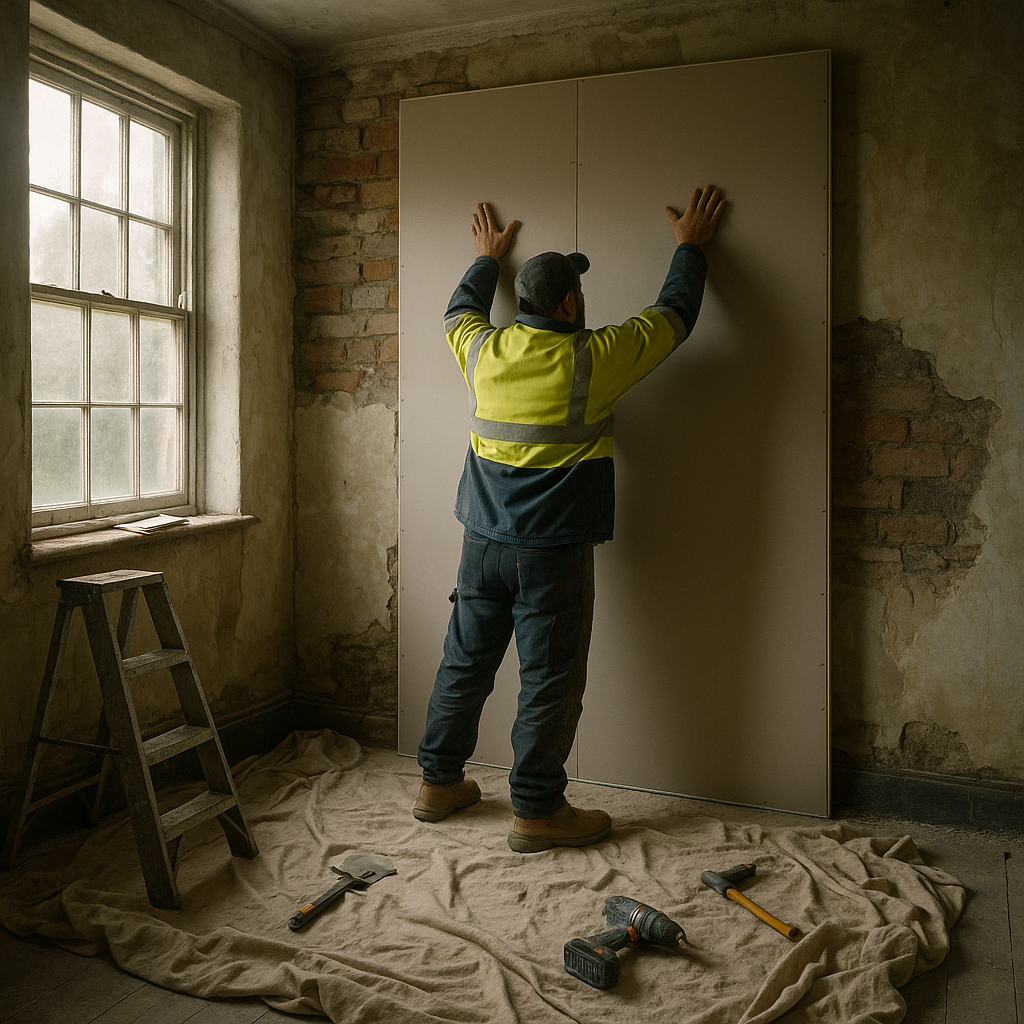
- Internal wall insulation – insulated plasterboard on battens or direct-fix systems
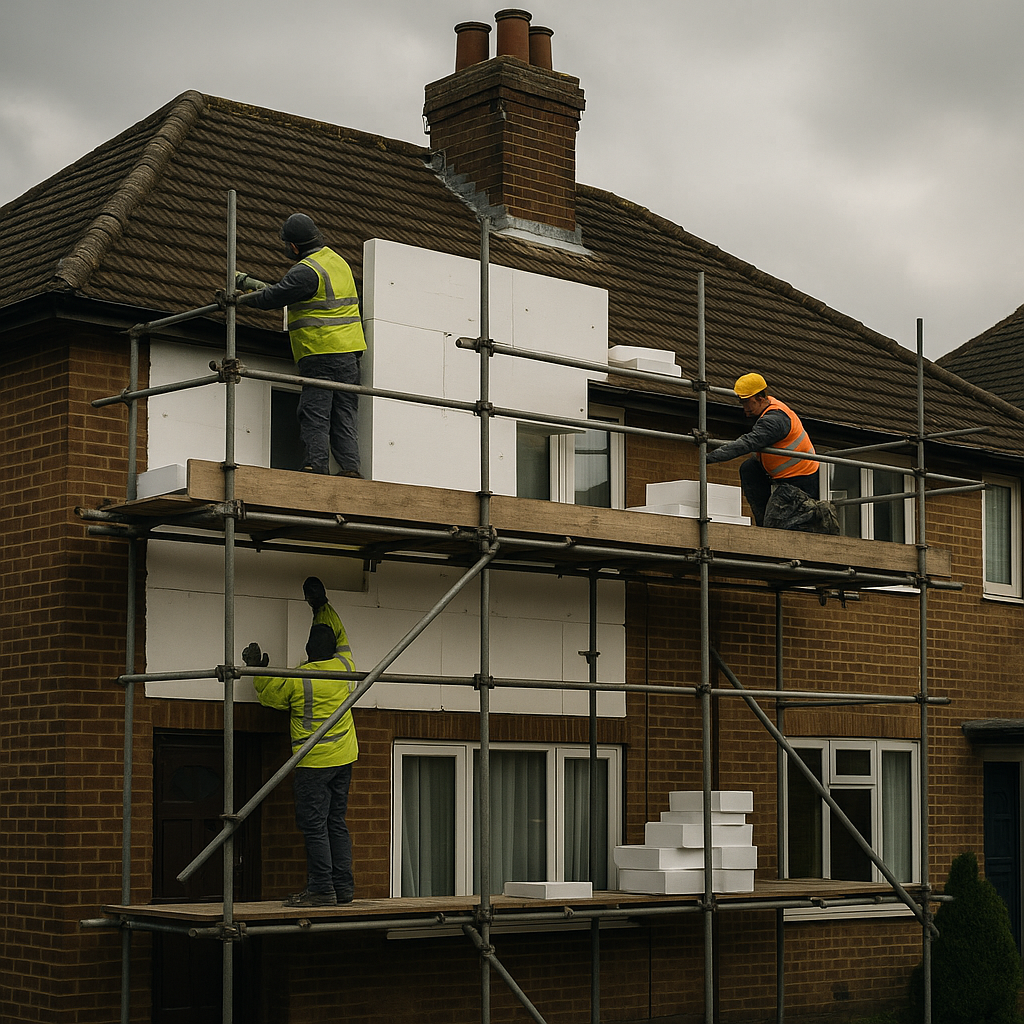
- External wall insulation – EPS or mineral wool boards with a render finish
- Underfloor insulation – between joists, on top of slabs, or from below in basements
- Air tightness work – sealing gaps, taping membranes and improving detailing
Done well, these measures cut draughts, make rooms feel warmer at lower thermostat settings and set the property up for any future heating changes.
Why demand for whole house insulation upgrades is rising
For trades, the big driver is simple: energy costs are still hurting. Clients might not know the technical jargon, but they understand cold rooms and scary direct debits. Government pressure on landlords to hit minimum efficiency standards is also pushing more serious retrofit work.
Councils and housing associations are starting to package up work as full-property upgrades instead of one-off measures. That means better workloads for installers who can offer a joined-up approach instead of just chasing single-room jobs.
Choosing the right materials for each part of the house
The material choice can make or break these projects. In the loft, mineral wool remains the go-to for speed and cost, but rigid boards still have a place where depth is tight. For external wall insulation, many crews are now comfortable switching between EPS and mineral wool depending on fire and acoustic requirements.
On older solid wall terraces, internal systems need careful thought. Insulated plasterboard is quick, but trades need to understand dew points, vapour control layers and how to avoid mould in corners and reveals. Getting the detailing right around windows and sockets is where good installers stand out from the crowd.
How trades can add value beyond the insulation itself
Clients often think insulation is just about thickness, but the real value for a good installer is in the detailing and advice. Simple steps like explaining ventilation options, checking loft access safety, or recommending basic air tightness improvements can turn a standard job into a full upgrade.
Some firms link their insulation work with services like energy monitoring or basic draught surveys. Others partner with specialists who handle more complex design on listed or hard-to-treat properties, especially when combining measures such as external wall systems and a Fabric-first retrofit approach.
Common pitfalls to avoid on site
With more money flowing into retrofit, the risk of rushed or poor-quality work goes up. A few issues are cropping up again and again:
- Bridging insulation over recessed lights or downlighters without proper covers
- Ignoring ventilation, leading to condensation problems in lofts and bathrooms
- Poorly sealed joints in internal wall systems, causing cold spots and cracking
- Not coordinating with electricians or plumbers, so services slice through new insulation
Taking the time to explain these risks to clients can actually help justify better materials and a more realistic labour allowance.
Positioning your business for the retrofit wave
For small building firms, joiners and multi-trades, whole house insulation upgrades are a solid way to keep the diary full. Upskilling on moisture management, air tightness and detailing will separate serious operators from the rest. Many crews are finding that one or two people trained in survey and design can feed steady work to the rest of the team.
Whole house insulation upgrades FAQs
What counts as a whole house insulation upgrade?
A whole house insulation upgrade means looking at all the main heat loss areas in a property and tackling several of them together, rather than just doing a quick loft top-up. In practice that usually includes the loft or roof, walls, floors and basic air tightness work, with materials and methods chosen to suit the age and construction of the building.
How long does a full insulation upgrade usually take?
Timescales depend on property size and how many measures are included, but for a typical three-bed semi, a full upgrade might run from a couple of days for loft, cavity and basic draught-proofing up to a few weeks if you are adding internal or external wall insulation. Good planning, clear access and coordination with other trades help keep programmes tight.
Do whole house insulation upgrades always need new heating systems?
Not necessarily. Many homes see big comfort and bill improvements just from better insulation and air tightness while keeping their existing boiler or radiators. However, once the heat demand drops, it often becomes easier and more cost-effective to right-size or later upgrade the heating system, because it does not need to work as hard to keep the place warm.
Leave a Reply