

The wrong fixing will ruin a perfectly good job. I’ve seen it more times than I’d like: a nice oak gate post, a pressure-treated pergola, a board fence that cost the client real money, all let down six months later by screws that have bled rust streaks down the timber or sheared off at the head because someone reached for a box of cheap zinc-plated screws and called it done. Choosing the right external fixings for timber and masonry UK jobs isn’t glamorous, but it’s exactly the kind of detail that separates tradesmen who get repeat calls from those who get complaint calls.
What galvanising actually means
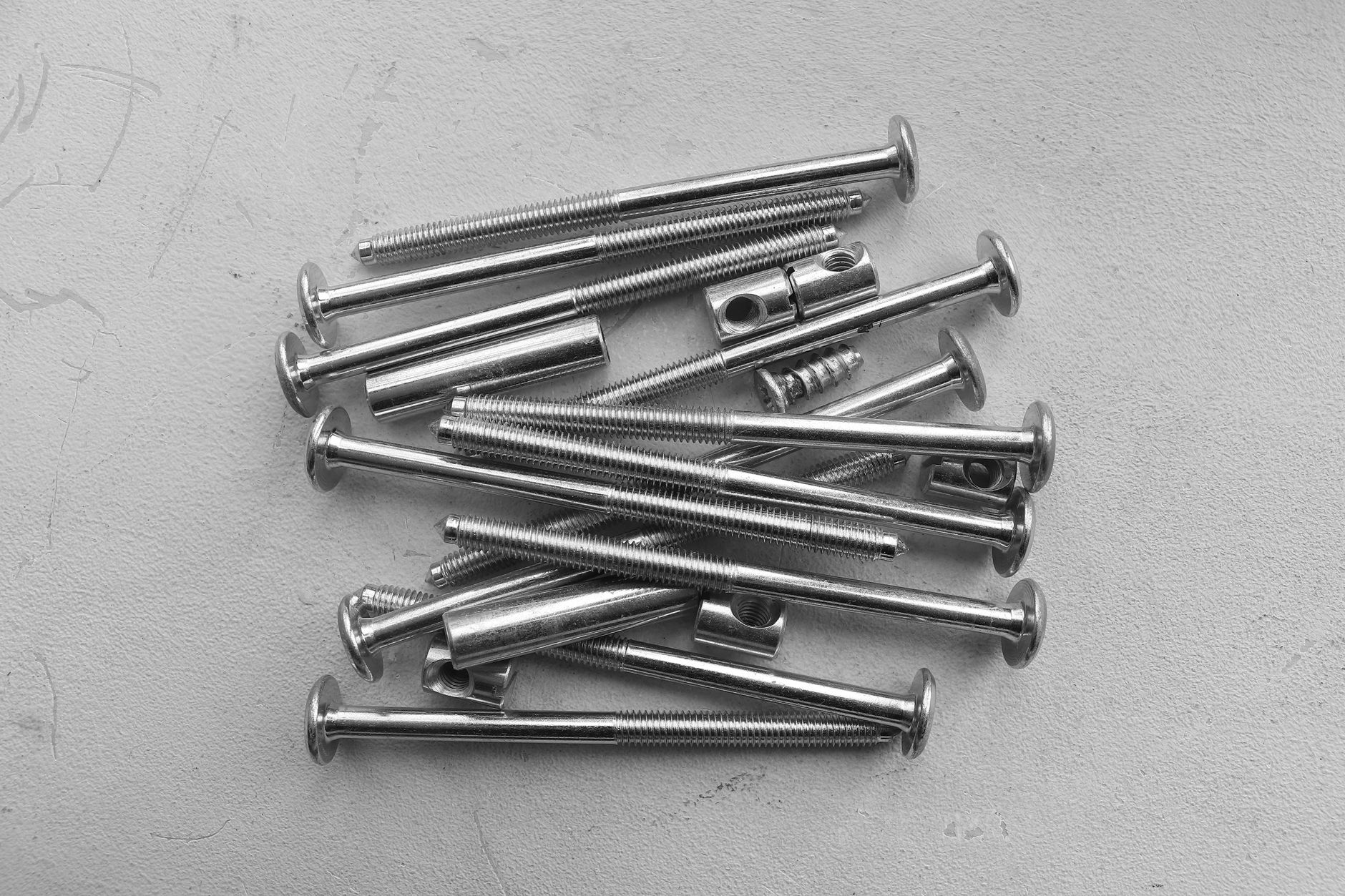
Galvanised fixings are steel coated with zinc, applied by one of two methods. Hot-dip galvanising submerges the steel in molten zinc at around 450°C, producing a thick, metallurgically bonded layer typically between 45 and 85 microns. Electroplated (or electro-galvanised) fixings use a much thinner zinc layer, often only 5 to 12 microns, and this is the stuff you’ll find in budget boxes at the builders’ merchant. Those two products are not the same thing, and mixing them up is where a lot of callbacks start.
For external use in the UK, the relevant reference is BS EN ISO 1461 for hot-dip galvanised coatings and BS 7371 for electroplated coatings. The simple rule: electroplated fixings are suitable for internal use or dry sheltered external conditions. Hot-dip galvanised fixings are the minimum specification for most external timber and masonry work in a standard UK environment. The BSI Group publishes the relevant standards if you need chapter and verse for a spec sheet or a warranty claim.
Where stainless steel fixings pull ahead
Stainless steel fixings, primarily A2 (304 grade) and A4 (316 grade), contain chromium that forms a passive oxide layer on the surface, self-repairing when scratched. That’s the property that makes them genuinely long-term in hostile environments. A2 stainless is adequate for most external UK conditions away from the coast. A4 is what you want near the sea, around swimming pools, or anywhere the fixing will be regularly wetted by salt-laden air.
The real-world difference shows up fastest in two scenarios. First, coastal sites. If you’re working within roughly two miles of the sea, especially on the west-facing coasts of Wales, Scotland and the South West where prevailing winds drive salt air inland, hot-dip galvanised fixings will show surface corrosion within a couple of years. A4 stainless in those conditions will outlast the timber. Second, hardwood and modified timber. Timbers like oak, sweet chestnut and thermally modified softwoods contain tannins and acids that actively strip zinc coatings. Put galvanised nails into green oak and you’ll have black staining within weeks and structural failure within a few years. Stainless is the only sensible choice there.
The cost argument, and why it often goes wrong
A box of A4 stainless 100mm screws costs roughly three to four times what a box of hot-dip galvanised equivalents costs, and maybe eight times an electroplated box. On a big job, that gap adds up. I understand the temptation to value-engineer the fixing spec, particularly when clients are squeezing the budget. But consider what a callback actually costs: your time, materials, potentially a scaffold hire, and almost certainly the job done twice. That’s before any reputational damage.
On a standard domestic fence, gate or pergola in the Midlands or a northern inland town, hot-dip galvanised fixings at the right spec are perfectly adequate and the cost is fair. On anything involving hardwood, treated timber in contact with the ground, or coastal exposure, stainless is not a luxury, it’s the correct material for the application. I’d always price it in and explain why. Most clients, once they understand the alternative is a rusting mess in three years, are happy to pay the difference. If you need help building that cost justification into a quote, the guidance in our article on how to estimate labour hours on a building job covers how to think about materials uplift without losing the job.
Upland and exposed environments
Coastal isn’t the only hostile environment in the UK. Upland sites in the Pennines, Scottish Highlands, Snowdonia and the Lake District see high rainfall, persistent moisture, freeze-thaw cycling, and acidic soils from peat. In those conditions, galvanised fixings will last longer than on a coastal site but still underperform stainless over a 20-year horizon. Fixing into stonework on a dry-stone wall rebuild or a slate-roofed outbuilding in Cumbria? A4 stainless is what I’d specify every time.
There’s also the interaction between different metals to think about. Using copper flashing with galvanised fixings, or fixing aluminium to a galvanised bracket, creates a galvanic couple that accelerates corrosion in both metals. Stainless steel is more inert and causes fewer compatibility issues across mixed assemblies.
Seasonal structures and community builds
This is worth a mention because I see it crop up regularly at this time of year. Village groups, school PTAs, scout troops and local businesses often build or repair external timber structures around the festive season: sleigh floats, signage boards for community events, parade gantries, outdoor seating for winter markets. These structures go up fast, often with volunteer labour, and the fixings question rarely gets the attention it deserves.
A December in the UK means rain, near-freezing temperatures, and timber that’s already wet from storage in a field or barn. Cheap zinc-plated screws will seize, strip heads, or start corroding before the structure comes down in January. Hot-dip galvanised coach screws and A4 stainless structural screws are the right choice for anything that’s going back into a container for eleven months and then back out into British winter weather next year. Community groups running festive routes and events often use digital tools alongside their physical builds, volunteer co-ordinators can Find Santa tracker pages to publicise their event route online, but the timber framework holding those signage boards up still needs proper fixings if it’s going to survive repeated assembly and a wet British December.
Specifying fixings correctly for compliance
Building Regulations Part A (structural) and Part C (moisture resistance) both have implications for fixing specification, particularly in timber frame construction and external cladding systems. NHBC standards Chapter 6.9 on cladding gives specific guidance on fixing types for different cladding materials and exposure zones. If you’re working on a timber frame build or a certified cladding system, deviating from the manufacturer’s fixing spec can void the warranty on the whole assembly, worth flagging to clients when you’re writing the job up.
For structural timber connections, refer to BS EN 1995-1-1 (Eurocode 5) which gives design guidance on timber fasteners including withdrawal resistance, lateral load capacity and durability classifications. Fixings are assigned service class ratings; most external UK applications fall into Service Class 3, which requires either stainless steel, hot-dip galvanised to EN ISO 1461, or copper-based fixings. The spec sheet for the fixing product should confirm which classes it meets, if it doesn’t say, that’s your answer.
When you’re pricing jobs that include structural connections, knowing when to bring in a structural engineer can save you from specifying fixings that technically pass but don’t meet the load requirements for the application. It’s a separate decision from the corrosion question, but both matter.
Practical site guidance
A few habits that save grief on external jobs. Always check the moisture content of the timber before driving fixings, green or freshly treated timber moves significantly as it dries, and pre-drilling reduces splitting and reduces the load on the fixing shank during movement. For pressure-treated timber, confirm the treatment type: UC4 ground contact treatments can be highly corrosive to zinc, and some manufacturers specify stainless as the minimum even for inland sites.
Store fixings in sealed bags on site. Leaving a cardboard box of screws in the back of the van through a wet November and expecting them to perform is optimistic. And if you’re fixing into masonry in an older property, the condition of the mortar joints affects how moisture migrates through the wall and reaches your fixings, a crumbling bed joint will hold water directly against a frame bolt for weeks at a time.
Get the fixing spec right from the start. It’s a small decision that has a long tail, in either direction.
Frequently Asked Questions
What is the difference between hot-dip galvanised and electroplated fixings?
Hot-dip galvanised fixings have a thick zinc coating (typically 45-85 microns) applied by immersion in molten zinc, making them suitable for external use. Electroplated fixings have a much thinner zinc layer (5-12 microns) and are only appropriate for internal or dry sheltered applications. The two are not interchangeable for external UK work.
Do I need stainless steel fixings for a coastal property in the UK?
Yes. Within roughly two miles of the coast, and particularly on west-facing sites exposed to salt-laden prevailing winds, hot-dip galvanised fixings will corrode within a few years. A4 (316 grade) stainless steel is the correct specification for coastal external fixings and will significantly outlast galvanised alternatives in those conditions.
Can I use galvanised screws with oak or hardwood timber?
No. Oak, sweet chestnut and many other hardwoods contain tannins and organic acids that strip zinc coatings rapidly, causing black staining on the timber surface and structural corrosion of the fixing. Stainless steel (A2 or A4 grade) is the correct choice for any fixing into hardwood or modified timber externally.
Which British Standard covers external fixings for timber construction?
BS EN ISO 1461 covers hot-dip galvanised coatings on steel. For structural timber connections, BS EN 1995-1-1 (Eurocode 5) provides design guidance and specifies service class ratings for fasteners. Most external UK applications fall into Service Class 3, requiring stainless steel, hot-dip galvanised to EN ISO 1461, or equivalent corrosion-resistant fixings.
Are stainless steel fixings worth the extra cost on a standard domestic job?
For most inland UK domestic jobs involving softwood fencing, decking or pergolas, hot-dip galvanised fixings are adequate and cost-effective. Stainless steel becomes genuinely necessary for coastal or upland sites, hardwood timber, ground-contact applications, and any structure you expect to last 20-plus years. The cost of a callback almost always outweighs the initial saving on cheaper fixings.
Leave a Reply