

Going self-employed is one of the best moves a skilled tradesman can make. More control over your hours, your rates, and the jobs you take on. But the admin side of things can feel daunting if you’ve spent your career on the tools rather than behind a desk. Understanding how to start a sole trader business as a tradesman in the UK is simpler than most people expect, and getting it right from day one puts you in a far stronger position.
This guide walks you through every stage, from registering with HMRC to landing your first clients, in plain language built for people who’d rather be working than reading government guidance documents.

Registering as a Sole Trader with HMRC
The first official step is letting HMRC know you’re trading. You must register as self-employed by 5 October following the end of the tax year in which you started working for yourself. Do it earlier and you’ll give yourself more breathing room. The registration process is done online via the HMRC website and takes around 15 minutes. You’ll receive a Unique Taxpayer Reference (UTR) number in the post, which you’ll need for your Self Assessment tax returns.
As a sole trader, you pay Income Tax and National Insurance on your profits through Self Assessment. Keep this in mind from day one. A rough rule of thumb is to set aside around 25 to 30 percent of every payment you receive to cover your tax bill. Open a separate bank account purely for business income and outgoings. It makes life significantly easier when January comes around.
Insurance Every Tradesman Needs Before Taking on Work
Before you pick up a single tool on a self-employed basis, you need the right cover in place. Public liability insurance is the non-negotiable starting point. It protects you if a client or member of the public suffers injury or property damage as a result of your work. Most clients, especially commercial ones, will ask to see your certificate before you set foot on site.
If you employ anyone, even casually, employer’s liability insurance becomes a legal requirement. Beyond that, consider tools and equipment insurance, which covers your kit if it’s stolen from a vehicle or damaged on site. Professional indemnity cover is worth considering for tradesmen who also provide advice or design input as part of their service. It’s a small annual cost compared to the risk of trading without it.
Setting Your Day Rate as a Self-Employed Tradesman
One of the most common mistakes new sole traders make is undercharging. When you were employed, your employer covered National Insurance contributions, holiday pay, sick pay, tools, and overheads. Now those all come from your rate. A useful starting point is to take your previous employed salary, divide it by 230 working days (accounting for holidays, illness, and quiet periods), and then add at least 30 to 40 percent on top to cover those hidden costs.
Research what other tradesmen in your trade and region are charging. Rates vary significantly between London and the north of England, for example. For a qualified electrician or plumber, day rates of £250 to £450 are common in many parts of the UK. General builders and handymen typically sit in the £180 to £300 range depending on location and specialisation. Don’t be afraid to charge what your skills are worth, undercutting the market might win short-term work but it erodes the trade for everyone.
Finding Your First Clients as a New Sole Trader
Your existing contacts are your most powerful asset when starting out. Let former colleagues, supervisors, and suppliers know you’ve gone self-employed. Word of mouth remains the number one source of new work for tradesmen in the UK, and it costs nothing. Don’t underestimate a simple message to your personal contacts asking if they know anyone who needs your trade.
Beyond personal contacts, platforms such as Checkatrade, TrustATrader, and MyBuilder give you visibility with homeowners searching for local tradesmen. Getting registered on Google Business Profile is free and puts you in front of people searching in your area. Even a basic website with your trade, location, contact details, and a handful of photos of completed work can make a significant difference to how credible you appear to potential clients.
Managing Cash Flow From the Start
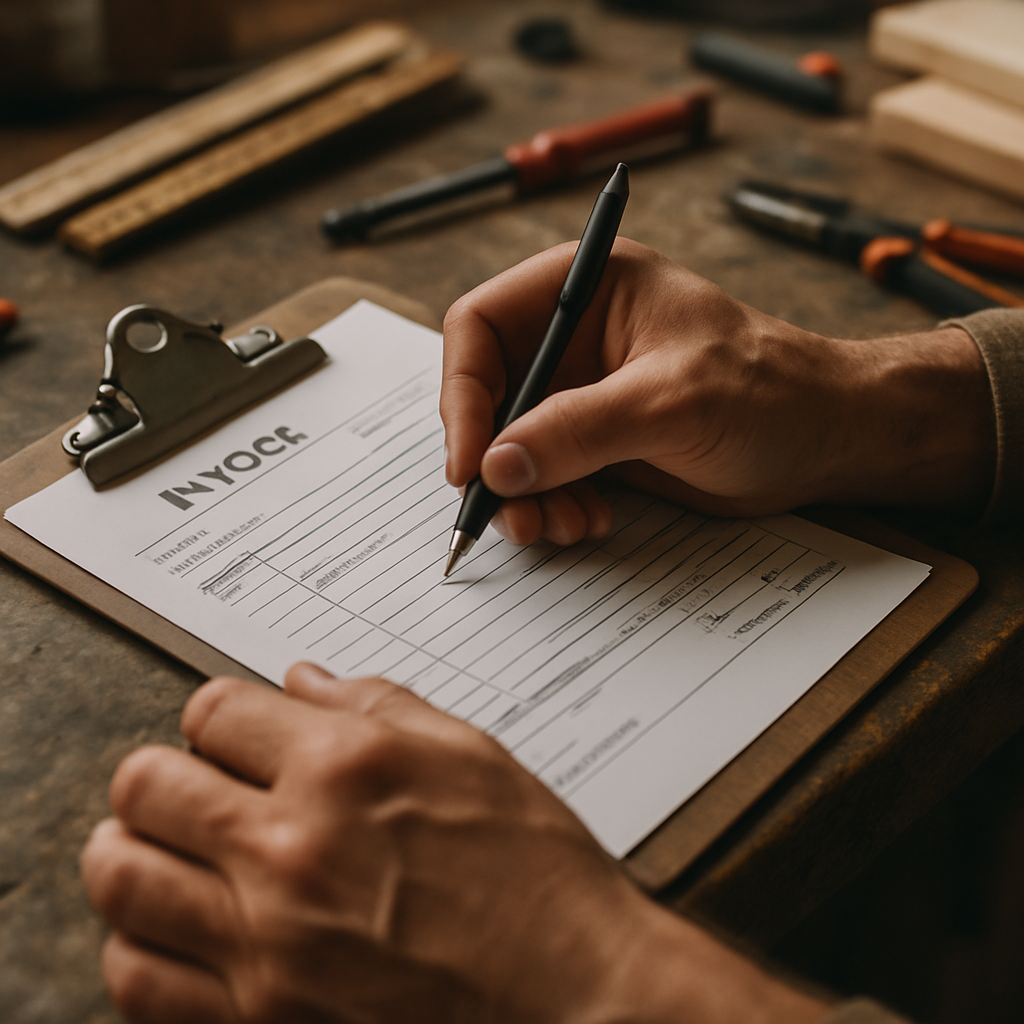
Cash flow is the thing that sinks more sole traders than a lack of work. You might have three jobs lined up but if none of them pay until the work is complete, you could find yourself out of pocket for materials and labour costs in the meantime. Always issue clear written quotes before starting any job, and include your payment terms on every invoice. Thirty days is standard, but for smaller residential jobs, payment on completion is entirely reasonable to request.
Chase invoices promptly. Polite but firm follow-ups a day or two after a payment deadline are professional, not aggressive. Consider asking for a deposit on larger jobs to cover materials upfront. Many clients expect this and it filters out anyone who wasn’t serious about commissioning the work. Use simple accounting software or even a well-organised spreadsheet to track what’s owed, what’s been paid, and what you’ve spent. Staying on top of this weekly, rather than scrambling at tax time, is one of the most valuable habits you can build as a sole trader.
Going it alone takes confidence, but for a skilled tradesman, it’s a well-trodden path with genuine rewards. Get the foundations right and you’ll spend more time on the tools and less time worrying about the business side of things.
Frequently Asked Questions
How do I register as a sole trader in the UK?
You register as a sole trader by signing up for Self Assessment on the HMRC website. The process takes around 15 minutes and you’ll receive a Unique Taxpayer Reference number by post. You must register by 5 October after the tax year in which you started trading.
Do I need insurance before working as a self-employed tradesman?
Yes. Public liability insurance is essential before you start any work and most clients will ask to see proof of it. Depending on your trade and working arrangements, you may also need tools insurance, employer’s liability cover, and professional indemnity insurance.
What day rate should I charge as a self-employed tradesman in the UK?
Day rates vary by trade and region, but a qualified tradesman such as an electrician or plumber typically charges between £250 and £450 per day in most parts of the UK. When setting your rate, factor in taxes, holidays, quiet periods, tools, and overheads that your employer previously covered on your behalf.
How do I find my first clients as a new sole trader tradesman?
Start by letting your personal and professional contacts know you’ve gone self-employed. Word of mouth is still the most effective source of work for UK tradesmen. You can also register on platforms like Checkatrade or MyBuilder, and set up a free Google Business Profile to appear in local searches.
How much tax will I pay as a sole trader tradesman?
As a sole trader you pay Income Tax and Class 4 National Insurance on your profits through the Self Assessment system. A safe approach is to set aside 25 to 30 percent of all income received into a separate account throughout the year, so you’re never caught short when your tax bill arrives.
Leave a Reply