Author: Alex Mason

  • How To Price Building Work So You Actually Make A Profit

    How To Price Building Work So You Actually Make A Profit

    If you work on the tools for a living, you already know that how to price building work can make or break your week. Get it wrong and you are basically paying for the privilege of grafting. Get it right and you have a steady pipeline of jobs that actually pay.

    Why pricing building work is so tricky

    Pricing is not just about guessing how long a job will take and doubling it. Materials move, fuel goes up and down, and clients always seem to remember an extra little job right at the end. On top of that, different trades price differently, so customers get wildly different quotes and start haggling.

    Most lads and lasses on site were never taught proper costing. You learn from your boss, copy what others are doing, or just go with your gut. That might work on a small repair, but once you are into refurbs, extensions and fit outs, one bad quote can wipe out months of graft.

    Key steps in how to price building work properly

    The only way to stay ahead is to break your pricing down into clear steps. That way you can repeat it for every job and tweak the numbers instead of starting from scratch each time.

    1. Start with a detailed site visit

    Never price from photos alone if you can help it. Walk the job, measure everything, check access, parking, waste removal and neighbours. Look for anything that could slow you down – awkward staircases, tight back alleys, no power on site, or tricky existing structures.

    Take photos and notes while you are there. Many solid firms, like some of the bigger regional contractors you see working alongside outfits such as Travis Perkins on busy sites, use standard checklists so they do not miss anything obvious.

    2. Build a proper materials list

    Break the job into sections – groundworks, structure, first fix, second fix, finishes. List every material you will need, including fixings, trims, adhesives and sundries. Then add wastage. For most jobs, 10 percent is a sensible starting point, more for tiles and fragile finishes.

    Price materials using up to date supplier rates. Merchant apps and trade counters are handy for this. Remember to include delivery charges, hire kit, skips and any specialist gear you need.

    3. Work out your labour realistically

    This is where most trades undercut themselves. Be honest about how long each stage will take, including set up, protection, cleaning down and snagging. Do not price as if everything will run perfectly – it never does.

    Use your real day rate, not the one you think the client wants to hear. Your day rate has to cover your wages, holidays, down time, van, tools, insurance and training. If it does not, you are just subsidising the job.

    4. Add overheads and profit, not just wages

    Once you have materials and labour, add your overhead percentage. That covers your office time, quoting, bookkeeping, marketing and all the boring stuff that keeps the business alive. After that, add your profit margin on top – that is your reward for taking the risk.

    Plenty of decent small contractors, like the sort you might see collaborating with national builders such as Kier Group on local schemes, work on the basis that if there is no profit, there is no point doing the job.

    A simple formula for pricing building work

    You do not need fancy software to learn how to price building work, but you do need a consistent method. A simple formula you can use on every quote looks like this:

    Materials + Labour + Overheads + Profit = Final price

    For example, if materials come to £2,000, labour is £3,000, overheads are 15 percent of labour (£450), and you want 20 percent profit on the total (£1,090), your final price would be £6,540. Seeing it laid out like that makes it much easier to explain to clients why you cannot just knock off a random chunk.

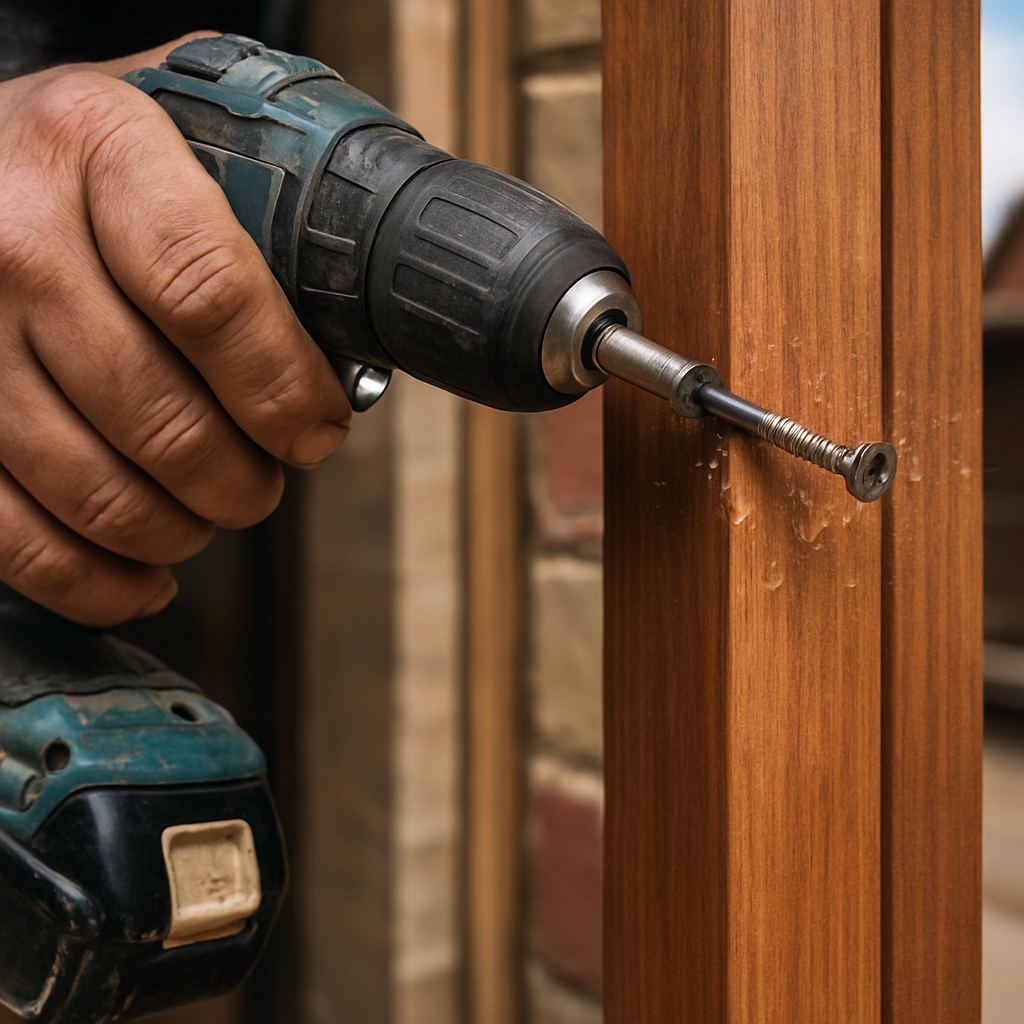
    Contractor explaining how to price building work to a homeowner on site
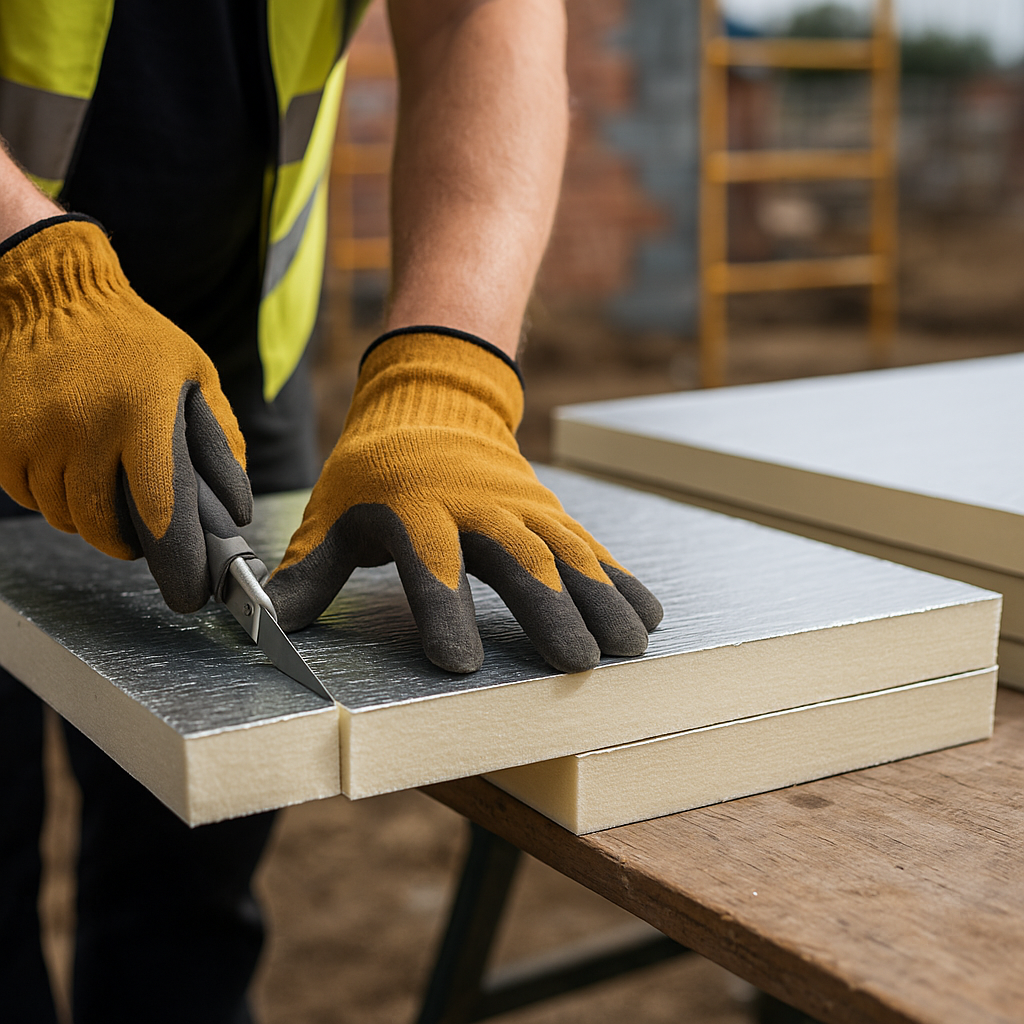
    Tradesman using a simple system for how to price building work in a workshop

    How to price building work FAQs

    How do I work out my day rate for building work?

    Start by adding up your yearly costs, including your own wages, van, tools, insurance, training, holidays and quiet periods. Divide that total by the number of days you realistically expect to work on site in a year, not 365 days. That figure is your minimum day rate before profit. Once you know that, you can price jobs with confidence instead of guessing what the client wants to pay.

    Should I give a fixed price or work on day rate?

    For small, clearly defined jobs, a fixed price usually works best because clients know exactly what they are paying. For open ended or very uncertain work, such as strip outs where you do not know what you will find, a day rate or cost plus arrangement can be safer. Whichever you choose, put it in writing and explain how changes or extras will be handled before you start.

    How often should I review my building prices?

    Review your prices regularly, at least every few months, and always after big changes in material or fuel costs. Look back at completed jobs to see where you under or over estimated. Adjust your labour times and overhead percentage based on real numbers, not just feel. Keeping your pricing updated means you stay competitive without working for free.

  • Best Fabrics for Workwear on Muddy, Wet Building Sites

    Best Fabrics for Workwear on Muddy, Wet Building Sites

    If you spend your days on scaffolds, in trenches or trudging through half finished plots, you know that not all gear is equal. Finding the best fabrics for workwear is the difference between finishing the day dry and comfortable or soaked, freezing and chafed to bits.

    Most site gear hangs on a few key materials: cotton, polycotton, ripstop blends, softshell and modern waterproof membranes. Each has its place, but they behave very differently once you add mud, rain and constant abrasion into the mix.

    What makes the best fabrics for workwear on site?

    Before picking favourites, it helps to know what you are actually asking from your kit. On a real building site you need:

    • Durability against kneeling on concrete, rubbing on brick and catching on rebar
    • Weather resistance for sudden downpours and long, damp days
    • Comfort for climbing ladders, crouching and carrying all day
    • Safety with flame resistance, visibility or cut protection where needed
    • Easy care so the gear survives constant washing and dryer cycles

    The best fabrics for workwear balance all of these, rather than just feeling nice on a shop rail.

    Cotton workwear: comfortable but limited

    Cotton has been a site staple for years. It is breathable, soft against the skin and does not make much noise when you move. Thick cotton drill or canvas feels solid and can take some abuse.

    The problem is water. Cotton soaks it up like a sponge, gets heavy, dries slowly and loses warmth when wet. In deep mud or steady drizzle, pure cotton trousers and jackets quickly become cold and clingy. Once coated in wet cement or plaster, they are hard to clean and can stiffen over time.

    Cotton still works well for mid layers, T shirts and hoodies, especially when layered under a shell, but as an outer layer on a wet site it is rarely the best choice.

    Polycotton workwear: the everyday all rounder

    Most modern site trousers and jackets use a polycotton blend, commonly 60 percent cotton and 40 percent polyester, or the other way round. This mix keeps some of the comfort of cotton but adds strength and quicker drying from the polyester.

    For general site graft, polycotton is one of the best fabrics for workwear. It shrugs off light showers better than pure cotton, resists tearing, and survives regular washing without shrinking too much. Knees and pockets can be reinforced with extra panels where needed.

    The trade off is that polycotton is not fully waterproof and can feel a bit warmer and less breathable in peak summer. On muddy, changeable UK sites, pairing polycotton trousers with a decent shell jacket gives a solid balance.

    Ripstop blends: built for abrasion and snags

    Ripstop fabrics weave stronger threads through the material in a grid pattern. That way, if you snag the cloth on mesh, nails or formwork, any tear is less likely to spread.

    Ripstop blends are excellent for knees, seat panels, tool pockets and outer shells. They handle constant abrasion from kneeling on slabs or crawling through roof spaces far better than plain weaves. Many high end site trousers now use ripstop polycotton or ripstop nylon in high wear areas.

    On their own, ripstop fabrics are not automatically waterproof, but when combined with a membrane or coating they make very tough outer layers that still flex enough for climbing and bending.

    Softshell workwear: comfort in changeable weather

    Softshell has become a favourite for site jackets and gilets. It is usually a stretchy woven outer with a fleece like inner, often with a water resistant treatment.

    For dry, cold and breezy days, softshell is one of the best fabrics for workwear. It blocks wind, stretches with you on ladders and scaffolds, and feels comfortable straight on top of a base layer. Light showers will usually bead off for a while.

    The weakness is heavy, prolonged rain. Most softshell is water resistant, not fully waterproof. Once water gets through, it can take a while to dry, and the fleece inner can hold damp against your clothes. Used as a mid layer under a proper shell, though, it is hard to beat.

    Tradesman kneeling on wet concrete wearing trousers made from the best fabrics for workwear
    Construction workers in the rain wearing jackets made from the best fabrics for workwear

    Best fabrics for workwear FAQs

    What are the best fabrics for workwear trousers on muddy sites?

    For muddy, abrasive sites, polycotton or ripstop blend trousers are usually the best option. They balance comfort and durability, resist tearing around knees and pockets, and dry quicker than pure cotton. Look for reinforced knee panels and strong stitching, and keep a lightweight waterproof over trouser handy for really wet days.

    Are softshell jackets good as the best fabrics for workwear in heavy rain?

    Softshell jackets are excellent for cold, dry or slightly showery conditions, but most are only water resistant, not fully waterproof. In steady or heavy rain they will eventually soak through. For prolonged wet weather, use a softshell as a warm mid layer under a proper waterproof membrane shell designed for site use.

    How do I look after the best fabrics for workwear so they last longer?

    Follow the wash labels, avoid too much heat in the dryer, and keep harsh chemicals away from waterproof coatings. Brushing off dried mud before washing helps reduce abrasion in the machine. Reproof waterproof shells with suitable sprays or wash in treatments when water stops beading on the surface, and repair small snags in ripstop quickly so they do not spread.

  • Battery Storage For Trades: Turning Spare Power Into Profit

    Battery Storage For Trades: Turning Spare Power Into Profit

    If you are running sites across the UK, you have probably heard more clients asking about renewables and ways to cut their bills. One topic that keeps coming up is battery storage for trades, and it is quickly turning from a niche add on into a serious bit of kit for contractors, builders and FM firms.

    What is battery storage for trades in plain English?

    Forget the jargon. At its core, battery storage for trades is just a big, tough battery bank that stores electricity when it is cheap or free, then feeds it back when power is pricey or the grid is down. On a domestic job it might sit in a utility room. On a commercial project it could be a cabinet in a plant room or a container in the yard.

    Power can come from the grid on off peak tariffs, from generators, or from renewables like solar panels on the roof. The battery system then manages when to charge and discharge, keeping tools, lighting and plant running without hammering the meter.

    Why battery storage for trades is taking off on UK sites

    Margins are tight and energy prices keep jumping around. Contractors are looking for ways to protect their bottom line without cutting corners on the job. That is where battery storage for trades is starting to earn its keep.

    On busy sites, cabins, welfare units, drying rooms and tower lights can quietly chew through power all day. A battery system can charge overnight on cheaper rates, then cover a chunk of the daytime load. On projects with renewables, it stops excess power being wasted and smooths out the peaks and troughs in generation.

    Clients are also under pressure to show they are cutting emissions. Being the firm that can talk confidently about on site storage, lower generator run times and cleaner power can help you win tenders and stand out from the pack.

    Key benefits for builders and contractors

    Lower running costs on site

    The obvious win is cost. Store cheap electricity, use it when rates are high. For sites that rely on diesel generators, a battery can handle low and medium loads so the generator only runs when it is really needed. That means less fuel, fewer refills and less noise for neighbours and site teams.

    Backup when the grid drops

    Power cuts do not care about your programme. A decent battery bank can keep critical kit alive long enough to finish pours, protect curing concrete, or keep pumps and security systems on. That can be the difference between a minor delay and a very expensive headache.

    Cleaner, quieter sites

    Clients and councils are getting stricter about noise and fumes, especially on urban and night works. Battery systems are silent and produce no local emissions, which makes life easier when you are working next to homes, hospitals or offices.

    What to think about before you spec a system

    Before you rush out and order the biggest box you can find, you need to be clear about how the site or building actually uses power. A simple load profile – when demand is high, when it is low, and what is truly critical – will help you size the battery properly.

    You will also need to think about:

    • Space – where will the unit live, and how easy is access for install and maintenance?
    • Environment – does it need weatherproofing, cooling or extra protection from dust and impact?
    • Grid connection – can the existing supply handle charging loads, and are there export limits?
    • Controls – who manages charge and discharge schedules, and how simple is the interface for site teams?

    Where battery storage fits into your long term strategy

    For tradesmen who look after multiple sites or manage portfolios of commercial buildings, battery storage is more than a one off gadget. It can be part of a wider shift towards smarter, more efficient power use across your whole operation.

    Electrician connecting a commercial battery cabinet as part of battery storage for trades on a commercial project
    Tradesman inspecting a battery unit beside a warehouse, illustrating battery storage for trades alongside rooftop renewables

    Battery storage for trades FAQs

    Is battery storage for trades worth it on small sites?

    It can be, but it depends on the load profile and how long the site will run. Short term jobs with low power use might not justify a full system, while longer projects with cabins, drying rooms and lighting often see a clearer payback. The key is to measure or estimate your daily consumption, look at your current tariffs or fuel costs, and size the battery accordingly rather than guessing.

    How long do commercial battery systems typically last?

    Most modern lithium based systems are rated for thousands of charge cycles, which usually translates to around 10 years of regular use if they are properly designed and maintained. Actual lifespan depends on how hard they are worked, the temperatures they operate in and whether they are regularly over or under charged. A good installer will specify equipment with solid warranties and build in monitoring so issues are spotted early.

    Can battery storage for trades be moved from job to job?

    Yes, there are modular and containerised systems designed to be moved between sites, much like welfare cabins or plant. These can be a good option for contractors who run multiple projects and want to spread the investment. You will still need to think about transport, lifting points, connection arrangements and any permissions needed at each new location.

  • How to Improve Your Home’s Energy Efficiency in 2026

    How to Improve Your Home’s Energy Efficiency in 2026

    Improving home energy efficiency is no longer just about reducing energy bills—it has become a vital step towards creating a more comfortable home, meeting environmental responsibilities, and future-proofing your property. With energy prices remaining volatile and efficiency standards tightening, 2026 is the ideal time for homeowners to invest in meaningful energy-saving upgrades.

    This guide explains practical, proven ways to improve energy efficiency in your home, focusing on insulation, audits, and long-term performance improvements.

    Why Home Energy Efficiency Matters More Than Ever

    Energy-inefficient homes lose heat rapidly, leading to higher heating costs, cold rooms, condensation, and unnecessary carbon emissions. Improving home energy efficiency helps to:

    • Reduce energy bills year-round
    • Improve indoor comfort and temperature stability
    • Lower carbon footprint
    • Increase property value and EPC rating
    • Protect your home from damp and heat loss

    In 2026, energy-efficient homes are no longer a luxury—they are an expectation.

    Start with a Home Energy Audit

    A home energy audit is the most effective way to understand how energy is being lost in your property. It provides a clear assessment of insulation performance, heating efficiency, ventilation, and overall thermal behaviour.

    A professional audit typically identifies:

    • Heat loss through walls, lofts, and floors
    • Inefficient insulation or missing insulation
    • Draughts and air leakage points
    • Heating system inefficiencies

    By starting with a home energy audit, homeowners can prioritise upgrades that deliver the highest return on investment.

    Upgrade Your Home Insulation for Maximum Impact

    One of the most effective ways to improve home energy efficiency is through high-quality home insulation. Poorly insulated homes can lose up to 35% of heat through walls and roofs alone.

    Key Insulation Upgrades to Consider

    External Wall Insulation
    Ideal for properties with solid walls, external wall insulation creates a thermal barrier that significantly reduces heat loss while improving the exterior appearance of your home.

    Cavity Wall Insulation
    For homes with cavity walls, this upgrade prevents heat from escaping through wall cavities and offers excellent energy savings at relatively low cost.

    Loft Insulation
    Heat rises, making loft insulation one of the most cost-effective energy efficiency improvements available. Proper insulation can dramatically reduce heat loss from the roof.

    Insulated Rendering Systems
    Combining insulation with a protective rendered finish enhances both thermal performance and weather resistance.

    Professional home insulation services ensure correct installation, long-term durability, and compliance with building standards.

    Improve Heating Efficiency and Controls

    Even well-insulated homes benefit from efficient heating systems. Consider:

    • Modern, energy-efficient boilers or heat pumps
    • Smart thermostats and zoning controls
    • Programmable heating schedules

    Efficient heating controls help regulate temperature more accurately, preventing wasted energy and reducing consumption.

    Address Air Leaks and Ventilation

    Uncontrolled air leakage can undermine insulation performance. Sealing gaps around windows, doors, and service entry points prevents draughts while maintaining proper ventilation.

    Balanced ventilation ensures good indoor air quality without unnecessary heat loss—an often overlooked aspect of energy efficiency.

    Think Long-Term: Energy Efficiency as an Investment

    Improving energy efficiency is a long-term investment. In addition to lowering energy bills, upgrades:

    • Increase property desirability
    • Improve EPC ratings for future sales or rentals
    • Protect against rising energy costs

    Many homeowners may also be eligible for government-backed energy efficiency grants, helping to reduce or offset installation costs.

    Why Use Professional Home Insulation Services?

    Energy efficiency improvements are only effective when installed correctly. Professional home insulation services provide:

    • Expert assessment and recommendations
    • Correct material selection for your property type
    • Compliance with safety and performance standards
    • Long-lasting results and workmanship guarantees

    Experienced installers ensure your upgrades deliver genuine energy savings, not short-term fixes.

    Final Thoughts

    Improving your home’s energy efficiency in 2026 is one of the smartest investments you can make. By starting with a home energy audit, upgrading your home insulation, and working with experienced professionals, you can create a warmer, more efficient, and future-ready home.

    Energy efficiency is not just about savings—it is about comfort, sustainability, and long-term value.

    Frequently Asked Questions (FAQ)

    How much can home insulation improve energy efficiency?

    Proper home insulation can reduce heat loss by up to 40%, significantly improving overall home energy efficiency and lowering annual energy bills.

    What is the best place to start improving energy efficiency?

    A professional home energy audit is the best starting point, as it identifies the most impactful improvements for your specific property.

    Is insulation still worth it in newer homes?

    Yes. Even newer properties can benefit from upgraded insulation, improved air sealing, and better heating controls to maximise energy efficiency.

    How long does it take to see energy savings?

    Most homeowners notice reduced energy bills and improved comfort immediately after insulation and efficiency upgrades are completed.

    Are energy efficiency upgrades disruptive?

    When carried out by professional home insulation services, disruption is minimal, and installations are usually completed within a few days.

  • Material shortages in UK construction: what tradesmen need to know

    Material shortages in UK construction: what tradesmen need to know

    If you work on the tools, you will have felt the bite of material shortages in UK construction at some point. One week it is timber, the next it is insulation or cement, and prices never seem to move in just one direction. For small firms and self-employed trades, this can turn a tidy job into a headache fast.

    What is really behind material shortages in UK construction?

    There is no single reason. It is a mix of global and local issues all hitting at once:

    • Global demand: Big infrastructure and housing projects worldwide are soaking up timber, steel, aggregates and insulation. When the big buyers shout, mills and quarries listen.
    • Shipping and logistics: Port delays, container shortages and higher fuel costs mean longer lead times and extra cost baked into every pallet.
    • Energy prices: Cement, bricks, glass and insulation all chew through energy. When energy prices spike, some plants cut output or pass the cost straight on.
    • UK capacity limits: The UK does not produce enough of everything it uses. When imports slow, the gap shows quickly on merchant shelves.
    • Planning and labour constraints: New quarries, kilns and processing plants are slow to approve and build, and skilled workers are in short supply to run them.

    Put together, the result is patchy availability and prices that can move between quote and start date.

    Which materials are feeling the squeeze?

    Most trades have a horror story or two from the last few years. The pressure points keep shifting, but a few staples stay on the watch list:

    • Bricks: Long firing times and limited kiln capacity mean brick supply is slow to react. Special colours and textures can carry serious lead times.
    • Timber: Structural carcassing and sheet materials are heavily tied to global markets. Currency swings and overseas demand hit UK prices quickly.
    • Cement and concrete products: High energy use and transport costs make these vulnerable. Local plant outages can ripple across a whole region.
    • Insulation: Many products rely on petrochemical inputs. When those chains get tight, so do stocks of PIR boards and similar materials.
    • Aggregates: On paper, the UK has plenty of stone and sand, but planning rules and haulage issues can make supply patchy in certain areas.

    None of this means you cannot get materials, but it does mean you cannot always rely on yesterday’s prices or lead times.

    How shortages are changing pricing and scheduling

    For working tradesmen, the biggest impact of material shortages in UK construction is how you price and programme jobs. A few old habits now carry more risk:

    • Fixed quotes held for months: If you lock in a price but materials jump 15 percent before you order, your margin disappears.
    • Tight programmes: When materials slip a week, the whole chain behind you – plasterers, decorators, sparkies – gets knocked out.
    • Small, frequent orders: Ordering just in time saves storage space but leaves you exposed if the merchant suddenly runs dry.

    Clients are also more aware. Many now expect to hear about price volatility and lead time risks up front, and they notice if you do not mention it.

    Practical steps to protect your margins

    You cannot fix global supply, but you can work smarter around it. A few solid habits can make a big difference:

    • Build price review clauses into quotes: On bigger jobs, state clearly that material prices may be reviewed after a set period or above a certain increase. Keep it in plain English.
    • Time limit your quotes: Make it standard that quotes are valid for 14 or 30 days. After that, you reserve the right to reprice materials.
    • Get written lead times: When you price a job, ask your merchant for current lead times on key items and keep that note with your quote.
    • Order early on critical items: Bricks, windows, insulation boards and bespoke items should be ordered as soon as deposits land, not the week before you need them.
    • Hold a small buffer stock: For fast-moving essentials – cement, screws, basic timber sizes – a modest stock in the yard or lock-up can save wasted days.

    Working with merchants and clients in a tight market

    Good relationships are worth as much as any discount when material shortages in UK construction bite.

    Tradesman planning job schedules around material shortages in UK construction
    Builders merchant yard managing stock during material shortages in UK construction

    Material shortages in UK construction FAQs

    Why are material shortages in UK construction still happening?

    Material shortages in UK construction are still with us because several pressures have not gone away. Global demand for timber, steel and insulation remains high, energy costs for factories are elevated, and shipping and haulage are more expensive and less reliable than they used to be. On top of that, UK production capacity for some products is limited, so when imports slow or a local plant has issues, it quickly shows up as gaps on merchant shelves.

    How should I price jobs during material shortages in UK construction?

    When pricing during material shortages in UK construction, avoid holding prices for long periods and be clear that material costs can change. Put time limits on quotes, include clauses that allow for material price reviews on larger projects, and base your figures on current merchant quotes rather than old price lists. It also helps to explain these terms to clients in plain language so they understand why you are protecting both sides from sudden market swings.

    What can small firms do to reduce delays from material shortages in UK construction?

    Small firms can reduce delays from material shortages in UK construction by planning earlier and communicating more. Get written lead times from merchants when you quote, order long-lead items such as bricks, insulation boards and windows as soon as deposits are paid, and keep a small buffer of everyday materials where space allows. Keeping clients updated on any changes and being open to agreed product substitutions can also stop minor supply issues turning into major programme delays.

  • How Fabricators Can Future‑Proof Their Workshop Tooling

    How Fabricators Can Future‑Proof Their Workshop Tooling

    If you work with metal all day, you already know how fast kit moves on. One minute your gear feels bulletproof, the next you are losing time because it will not keep up. Figuring out how to future proof your workshop tooling is what separates the busy shops from the ones scraping by.

    This is not about buying every shiny new machine. It is about making smart choices so your tooling still earns its keep in five or ten years, whatever jobs are coming through the door.

    Start with the work, not the machines

    Too many lads buy on impulse. A rep pops in, does a fancy demo, and suddenly there is a new unit on the floor that only gets used once a week. Before you spend, map out the work you actually do.

    • What thicknesses and profiles are you cutting and forming most days?
    • Are you mainly doing runs of repeat parts, or one-off specials?
    • Do your tolerances really need to be super tight, or just clean and consistent?
    • Where are the bottlenecks that slow the whole team down?

    Once you have those answers, you can target the bits of tooling that genuinely need upgrading, instead of guessing. Often it is not the biggest machine that is the problem, it is the little prep and finishing jobs that eat hours.

    Build flexibility into your fabrication kit

    Work in this game changes fast. One month you are bashing out simple brackets, the next you are on architectural balustrades with fancy profiles. To future proof your workshop tooling, look for flexibility wherever you can get it.

    • Choose machines that take standard tooling, so you can swap punches, blades or heads as work changes.
    • Favour modular systems that can be extended with extra stations instead of buying a whole new unit.
    • Invest in adjustable jigs and stops so set ups are quick, even on awkward sections.

    Flexible kit means you can say yes to more jobs without ripping out half the workshop every time a new contract lands.

    Automation that actually helps on the shop floor

    Automation is not just for big factories. Even small fabrication shops can gain from simple automated features, as long as they are chosen with a bit of common sense.

    Look for tooling and machinery with:

    • Quick repeat-stop systems for consistent lengths and angles
    • Digital readouts you can trust, so there is less measuring and re-measuring
    • Foot pedals or two-hand controls that keep operators safe but productive
    • Memory settings for common jobs so setups are not done from scratch every time

    These are the sorts of features that quietly shave minutes off every part. Over a year, that is a massive difference to throughput without adding more bodies to the payroll.

    Plan your layout like another tool

    One of the cheapest ways to future proof your workshop tooling is to rethink the layout. If lads are walking laps of the shop to go from cut to prep to weld, you are burning time and energy for no reason.

    Walk the route a piece of steel takes from delivery to despatch. Can you group machines into cells so most jobs flow in a straight line? Can you keep noisy or dirty processes together and away from finishing? A half day with a tape measure and some chalk lines can often save more time than a new machine.

    Look after the kit you already own

    There is nothing future proof about a machine that is never serviced. Regular maintenance is still one of the best investments you can make.

    • Keep blades, punches and consumables sharp and correctly aligned.
    • Log breakdowns and near misses so you spot patterns before something fails.
    • Train new lads properly instead of letting them learn the hard way on your gear.

    Well looked after machinery holds its value, runs truer and is easier to move on when you are ready to step up to something bigger.

    Tradesmen discussing layout changes to future proof your workshop tooling
    Organised fabrication cell designed to future proof your workshop tooling

    Future proof your workshop tooling FAQs

    How often should I review my workshop tooling setup?

    It is worth taking a hard look at your tooling and layout at least once a year, or any time your main type of work changes. Walk the process from raw material to finished product and note where parts pile up or operators wait around. Those are the areas that justify new kit, different jigs or a layout change. Smaller checks, like consumable condition and calibration, should be part of weekly or monthly routines.

    Is it better to buy one big machine or several smaller ones?

    It depends on the work you do. One larger, multi-purpose machine can save floor space and cover a lot of bases, but if it goes down, the whole shop can grind to a halt. Several smaller, focused machines spread the risk and can be arranged into work cells around different product lines. Many workshops end up with a mix: a solid central workhorse backed up by smaller units that handle specialist or repeat tasks.

    How can small fabrication shops afford better tooling?

    Start by targeting the worst time-wasters rather than trying to overhaul everything at once. Look at quality used machinery, which often offers serious value if it has been maintained. Leasing or finance can spread the cost of bigger purchases, and grouping orders with other local firms can help negotiate better prices on consumables. Above all, track the hours saved by each investment so you know which upgrades genuinely pay their way.

    notching machines

  • The Future Of Asbestos Management In UK Homes And Workplaces

    The Future Of Asbestos Management In UK Homes And Workplaces

    The future of asbestos management in the UK is becoming a pressing concern for homeowners, landlords and employers alike. As more buildings reach the age where historic construction materials start to fail, questions around safety, legal responsibility and the cost of putting things right are growing louder. At the same time, regulators and campaigners are calling for clearer rules and better protection for the people who live and work in at risk properties.

    Asbestos was widely used for decades, and although it has been banned for many years, it still hides in millions of homes, schools and workplaces. Managing that legacy safely is no longer just about ticking a compliance box. It is about planning ahead, understanding risk and making informed decisions as buildings age and are refurbished.

    Why asbestos is back in the spotlight

    As buildings constructed in the post war boom continue to deteriorate, materials that once seemed stable are starting to break down. Ceiling tiles crack, insulation is disturbed during DIY projects, and office refurbishments expose old pipework and lagging. All of this increases the chance that asbestos containing materials will be damaged and release fibres.

    At the same time, there is growing public awareness of occupational health. Tradespeople, facilities managers and even tenants are asking tougher questions about what is in the walls and ceilings around them. High profile reports about asbestos in schools, hospitals and social housing have only intensified the debate, pushing the issue of long term management into the news and onto political agendas.

    How regulations may evolve

    Current rules already require dutyholders to identify and manage asbestos risks, but many experts believe the future of asbestos management will involve tighter expectations. There is increasing discussion about mandatory re inspection intervals, clearer requirements for digital record keeping and stronger enforcement where dutyholders fail to act.

    Some campaigners are also calling for a long term national removal strategy, arguing that simply managing asbestos in place is not enough as buildings age. While a full removal programme would be complex and expensive, it is likely that guidance will continue to move towards earlier intervention, particularly in higher risk settings such as schools and healthcare buildings.

    Digital tools and smarter asbestos records

    One of the biggest changes on the horizon is the shift from paper based surveys and management plans to digital systems. Cloud platforms now allow survey data, photographs and risk assessments to be stored in one place, with instant access for contractors, managers and auditors.

    This kind of technology makes it easier to keep information up to date, track actions and share clear instructions with anyone who might disturb materials. Over time, digital records could also help create a more accurate national picture of where asbestos remains, guiding policy decisions and investment in remediation.

    Raising standards in surveys and removal

    Survey quality is another area under scrutiny. Poorly conducted inspections can leave dangerous gaps, giving building owners a false sense of security. As expectations rise, there is likely to be more emphasis on accreditation, training and independent auditing of surveyors and removal contractors.

    Specialist companies are already investing in better equipment, detailed reporting and stronger staff training. Responsible dutyholders are starting to look beyond the lowest quote, focusing instead on competence, reputation and clear communication. When it comes to removal and subsequent asbestos waste disposal, that focus on professionalism is only likely to grow.

    What this means for homeowners and landlords

    For private homeowners, the main challenge is often simply knowing where to start. Many properties built before the year 2000 may contain asbestos, but it is not always obvious. The safest approach is to assume that certain materials could be affected and to seek professional advice before drilling, sanding or demolishing anything suspect.

    Landlords face additional responsibilities. They must protect tenants, tradespeople and visitors, which means having suitable surveys in place, sharing information and planning works carefully. As expectations rise, failing to act is increasingly likely to lead not only to health risks but also to legal and financial consequences.

    Practical steps to prepare for the future

    Anyone responsible for a building can take sensible steps now to keep ahead of changing expectations around the future of asbestos management:

    Landlord and contractor planning refurbishment with a focus on the future of asbestos management.
    Office maintenance team reviewing a digital register to support the future of asbestos management.

    Future of asbestos management FAQs

    Does all older property contain asbestos?

    Not every older property contains asbestos, but many buildings constructed or refurbished before the year 2000 are likely to have some asbestos containing materials. Common locations include textured coatings, ceiling tiles, pipe lagging, insulation boards and certain floor tiles. The only reliable way to know is to have a competent surveyor inspect and test suspect materials. Visual checks alone are not enough to confirm whether asbestos is present.

    Is it always necessary to remove asbestos immediately?

    No, asbestos does not always need to be removed straight away. If asbestos containing materials are in good condition and unlikely to be disturbed, they can often be managed safely in place through regular monitoring, labelling and careful maintenance procedures. Removal is usually recommended where materials are damaged, friable, or likely to be disturbed during refurbishment or demolition, or where they are in high traffic areas where accidental damage is more likely.

    How can I prepare for the future of asbestos management in my building?

    To prepare for the future of asbestos management, start by ensuring you have an up to date survey and clear records of any known asbestos containing materials. Store this information digitally so it is easy to update and share with contractors. Build asbestos considerations into your maintenance and refurbishment planning, and choose competent, accredited professionals for any survey or removal work. Training staff or key occupants to recognise potential risks and follow safe procedures will also help keep people protected as expectations and guidance continue to evolve.

  • Why Adults Are Falling Back In Love With LEGO Engineering Sets

    Why Adults Are Falling Back In Love With LEGO Engineering Sets

    Adult LEGO engineering sets have moved from the toy aisle to pride of place on coffee tables, office shelves and social feeds. What was once seen as a childhood hobby is now a serious pastime for grown ups, blending design, engineering and mindful relaxation in one colourful package.

    Why adults are drawn to complex LEGO builds

    The appeal of intricate brick projects for adults is about far more than nostalgia. Modern sets aimed at older builders offer:

    • Real mechanical complexity such as working gearboxes, suspension systems and steering racks.
    • Display worthy designs that look at home in a living room or studio, from supercars to architectural icons.
    • A digital detox that lets people switch off from screens and focus on something physical and hands on.

    At the end of a long day at work, many adults are turning to detailed models as a way to unwind, much like a jigsaw puzzle or model railway once did.

    The wellbeing benefits of adult LEGO engineering sets

    There is growing interest in how structured, creative hobbies support mental health. Building complex models can offer:

    • Mindful focus as you follow instructions step by step, blocking out background noise.
    • A sense of achievement when a tricky mechanism finally works or a model is completed.
    • Stress relief through repetitive, calming actions like sorting, clicking and aligning pieces.

    Therapists and wellbeing coaches increasingly recommend hands on hobbies for people who struggle to switch off. For many, opening a box of parts and turning it into a working model is the perfect antidote to a day of emails and video calls.

    How social media fuels the engineering brick boom

    Social platforms have helped transform building sets into a shared, social experience. Time lapse build videos, close ups of clever mechanisms and shelf tours of completed collections are hugely popular. This visibility has normalised the idea that technical construction sets are for adults as much as children.

    Online groups and forums also give builders a space to share tips, modify official sets and design their own creations. For many hobbyists, the community is as important as the finished model.

    Choosing the right set for your skill level

    If you are new to more advanced kits, it can be hard to know where to start. Consider:

    • Piece count – higher counts usually mean longer, more involved builds.
    • Mechanical complexity – look for descriptions mentioning gearboxes or powered functions if you enjoy engineering challenges.
    • Theme – cars, construction equipment, aircraft and architecture all attract different types of builder.

    Adult LEGO engineering sets often include age guidance starting at 18+, but your patience and interest matter more than the number on the box. Many builders prefer to start with a mid sized project before tackling flagship models that can take days to complete.

    Accessing premium sets without filling every cupboard

    One growing trend is finding ways to enjoy high end models without having to store every box permanently. Some enthusiasts share collections within families or friendship groups, while others explore rental style options that let them build, enjoy and then return large sets. Services built around ideas like a LEGO Technic Subscription reflect how the hobby is evolving for space conscious urban living.

    The future of engineering focused brick hobbies

    As technology and design advance, builders can expect even more realistic functions, from app controlled motors to modular systems that can be reconfigured in endless ways. There is also growing interest in sustainable materials and second hand marketplaces, as fans look for ways to balance their passion with environmental concerns.

    What is clear is that the audience for adult LEGO engineering sets is not shrinking. With each new release, more people discover that a box of parts and a free evening can provide focus, creativity and a welcome break from the digital world.

    Display shelf in a living room showcasing completed builds from adult LEGO engineering sets.
    Two friends enjoying a collaborative build using adult LEGO engineering sets at a kitchen table.

    Adult LEGO engineering sets FAQs

    Are complex LEGO style sets suitable for complete beginners?

    Yes, many advanced looking sets are still very approachable if you take your time. Start with a medium sized model that clearly labels the bags for each stage and follow the instructions carefully. If you can build a basic kit and enjoy the process, you can usually work up to more technical projects with practice.

    How long does it usually take to build an adult engineering set?

    Build time varies widely depending on piece count, complexity and how quickly you like to work. A smaller car or machine might take a relaxed evening or two, while top tier models can be spread over several weekends. Many adults prefer to pace themselves and treat the build as an ongoing project rather than rushing to finish.

    What makes adult LEGO engineering sets different from standard childrens kits?

    Sets aimed at adults usually include more pieces, finer details and realistic functions such as moving pistons, suspension and steering. The instructions assume more patience and concentration, and the finished models are often designed to be displayed rather than played with roughly. The themes also tend to focus on real world machines and architecture that appeal to grown up tastes.

  • Is Your Home Ready For Heat Pumps? How To Prepare An Older Property

    Is Your Home Ready For Heat Pumps? How To Prepare An Older Property

    With energy prices unpredictable and climate targets getting stricter, many households are asking whether now is the time to switch to a low carbon heating system. For anyone living in a Victorian terrace, a 1930s semi or a post-war bungalow, preparing an older home for heat pump installation is one of the most important steps you can take to cut bills and future-proof your property.

    Why older homes need extra thought before a heat pump

    Heat pumps work best when a house holds on to warmth. They deliver lower flow temperatures than a traditional gas boiler, but do so very efficiently. In a modern, well insulated property that is perfect. In a draughty house with thin insulation and single glazing, the system can struggle, running harder and for longer to keep you comfortable.

    That does not mean older homes are unsuitable. It simply means you need to look carefully at the building fabric first. Tackling leaks, cold spots and poor insulation often delivers bigger comfort gains than any heating upgrade on its own.

    Start with a whole-house heat loss assessment

    The first practical step in preparing an older home for heat pump installation is to understand how much heat your property actually loses. A professional heat loss calculation will look at:

    • Wall construction and whether there is any cavity or internal insulation
    • Roof and ceiling insulation levels
    • Floor type and possible draughts from below
    • Window and door performance, including air leakage
    • Existing radiator sizes and pipework

    This assessment guides both the size of heat pump you need and the upgrades that will give the best return. Oversizing the unit to compensate for a leaky building is expensive and inefficient, so improving the envelope is usually the smarter route.

    Insulation and airtightness: the real game changers

    Before spending money on new technology, it is worth addressing simple fabric measures. Adding cavity or internal wall insulation where suitable, improving roof insulation, sealing obvious draughts and upgrading old windows can dramatically cut heat demand. These changes make rooms more comfortable, reduce condensation and help your future heat pump work at its most efficient settings.

    In many properties, the roof space is the easiest starting point. A well insulated attic reduces heat escaping through the top of the house, which is crucial for low temperature heating systems. If you are planning a full retrofit, a specialist contractor can advise on options such as internal wall insulation, underfloor insulation and improved airtightness around floors and skirting boards.

    Adapting radiators and emitters for lower temperatures

    Because heat pumps run at lower flow temperatures, they usually need larger heat emitters than a boiler system. Part of preparing an older home for heat pump installation is reviewing your existing radiators and deciding where changes are needed.

    In some rooms, simply swapping to a larger or more efficient radiator is enough. In others, especially open plan spaces or north facing rooms, you may consider fan-assisted radiators or even underfloor heating as part of a renovation. The goal is to deliver the same comfort at a lower water temperature, which boosts the efficiency of the heat pump and keeps running costs down.

    Choosing the right heat pump and installer

    Once the building fabric and emitters are understood, you can look at the type of system that suits your home. Options include air source units, ground source systems for properties with outside space, or hybrid arrangements that retain a boiler for extreme cold snaps. A good installer will size the system based on the improved heat loss figures, not on rough rules of thumb.

    Ask potential installers about their experience with older properties, how they calculate heat loss, and how they plan to integrate hot water storage. It is also worth checking what grants or local schemes are available to help fund both the fabric upgrades and the new system.

    Installer improving roof insulation as part of preparing an older home for heat pump installation.
    Modern air source unit beside a retrofitted property after preparing an older home for heat pump installation.

    Preparing an older home for heat pump installation FAQs

    Is my house too old for a heat pump?

    Very few homes are genuinely too old for a heat pump, but some need more preparation than others. Solid wall properties, listed buildings and homes with single glazing can all work with low carbon heating as long as heat loss is reduced first. That usually means improving roof insulation, tackling draughts and upgrading windows where permitted. A detailed heat loss survey by an experienced installer is the best way to understand what your specific property needs.

    Do I need to replace all my radiators for a heat pump?

    Not always. Some radiators will already be large enough to deliver the required heat at lower temperatures, especially in smaller or well insulated rooms. However, in bigger or colder spaces you may need to fit larger radiators or consider alternatives like underfloor heating. A proper room-by-room calculation will show which emitters can stay and which should be upgraded.

    What grants are available to help with low carbon heating?

    Support varies by nation and local authority, but many areas offer schemes to help with low carbon heating and insulation. These can include boiler upgrade grants, funding for wall and roof improvements, and targeted support for lower income households. It is worth checking government websites and speaking to accredited installers, who are often familiar with current funding and eligibility criteria.

    loft insulation

  • UK Timber Shortages 2025. What Joinery Workshops Need To Know

    UK Timber Shortages 2025. What Joinery Workshops Need To Know

    Timber has always been at the heart of the UK joinery and furniture sector, but 2025 is already showing signs of being a challenging year. The industry is reporting increased pressure from UK timber shortages 2025 caused by a mix of supply chain disruption, shipping delays and global market demand. For many workshops that rely on accurate scheduling and predictable material availability, this is having a noticeable impact on operations. Understanding the causes and preparing for what is ahead will be essential for keeping production on track.

    What Is Causing the UK Timber Shortages 2025

    Several key factors are combining to cause the current strain on timber supply. Firstly, shipping times from Europe and the Baltic countries are still fluctuating as transport companies adjust to rising fuel prices and new port delays. Secondly, global demand for construction-grade softwood and engineered timber has grown sharply, fuelled by worldwide house building programs and commercial developments. The UK joins the back of a long queue for high grade timber, so any rise in international demand pushes up lead times locally.

    Climate events are also playing a role. Forest management organisations have reported reduced harvesting windows due to storms and unpredictable seasonal patterns. This affects both availability and log quality. When the raw material slows down, the entire supply chain feels it months later.

    How Timber Shortages Affect UK Joinery Production

    The immediate impact is seen through higher material costs and delayed deliveries. Many suppliers who previously operated on next day or two day turnaround are now quoting several weeks. For workshops producing windows, doors and furniture components, any interruption to material flow can disrupt the entire production plan.

    UK Timber Shortages

    This is where having dependable and efficient machinery becomes an asset. Automated cutting, profiling and assembly lines allow manufacturers to make the most of the timber they do have, reducing waste and improving yields. Optimised machining also allows workshops to handle mixed timber batches more consistently even when material quality varies. Businesses using advanced equipment such as CNC machining centres, crosscuts and panel processing lines often find they can maintain output even during supply challenges. This makes investing in reliable machinery a strategic advantage.

    Preparing Your Workshop for Ongoing Timber Disruption

    While the UK timber shortages 2025 situation may ease later in the year, the early months suggest fluctuation will continue for some time. Workshops can take several practical steps to reduce risk. Keeping a slightly higher buffer stock of the most used sections can prevent unexpected downtime. Reviewing scheduling and allowing more flexibility in customer delivery estimates can reduce pressure during peak periods.

    It is also worth considering machinery that improves efficiency, particularly in areas where waste reduction is key. Optimised crosscuts, accurate CNC workstations and modern panel processing machinery can reduce offcuts, improve consistency and maximise usable timber. Reliable, well chosen equipment will help ensure that even when deliveries slow down, production does not.

    Final Thoughts

    The UK timber shortages 2025 issue is not expected to stop production entirely, but it will require workshops to adapt. Those who plan ahead, communicate clearly with customers and maximise the efficiency of every piece of timber will be in the strongest position. The more streamlined and accurate the machine processes are, the easier it becomes to navigate uncertain supply conditions.

    UK Timber Shortages FAQs

    What is causing the UK timber shortages in 2025

    A combination of increased global demand, extended shipping routes, rising transport costs and reduced harvesting windows is creating supply pressure. These factors are affecting both availability and pricing.

    How long will the UK timber shortages 2025 last

    Analysts believe supply will remain inconsistent during the first half of 2025, with gradual improvement expected later in the year. However, global demand may keep prices higher than usual for some time.

    How can workshops reduce waste during timber shortages

    Workshops can invest in accurate and efficient machinery, adopt optimised cutting systems, improve workflow planning and ensure proper storage to minimise damaged or unusable stock. Machine accuracy plays a major role in reducing waste.